
Interview with MEP Michele Picaro
6 min read · 1,255 words
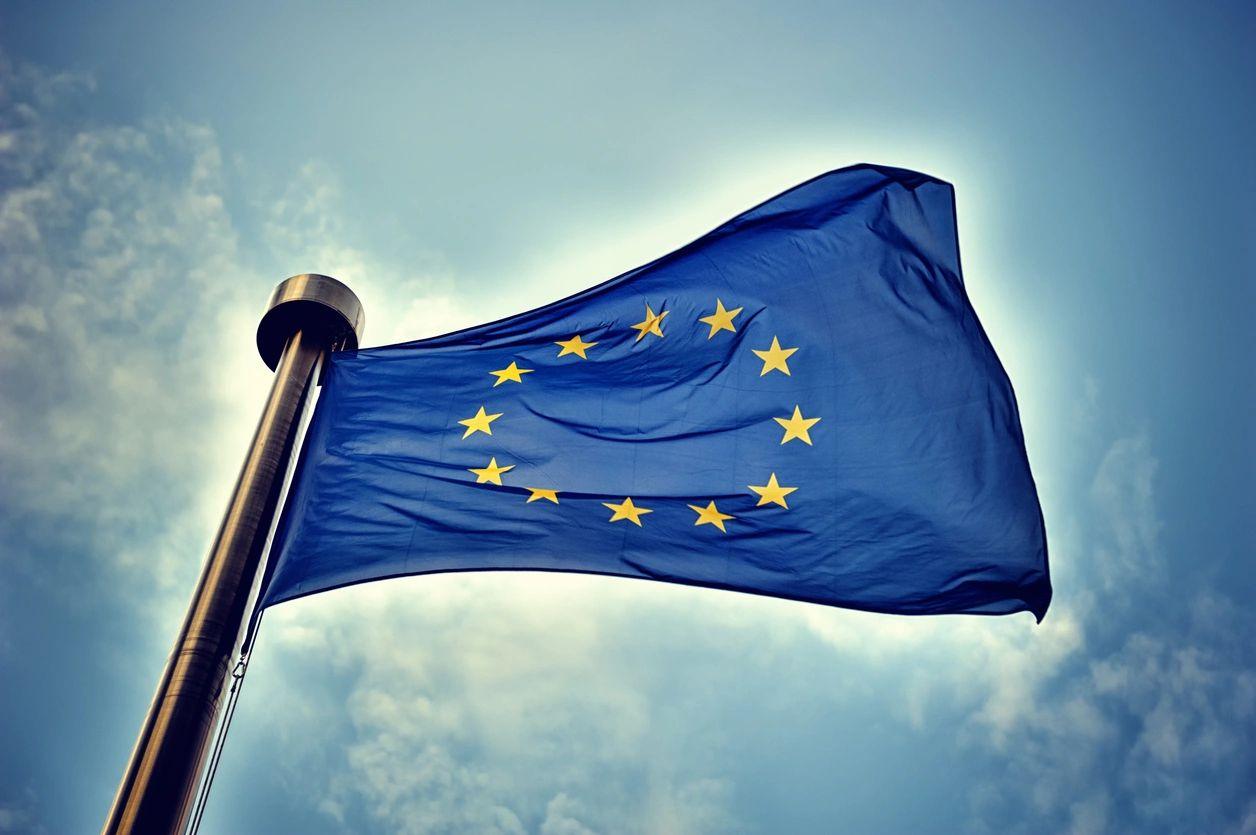
AN ANALYSIS OF THE EU AND ITS OVERSIGHT OF PROPER DEMOCRATIC PROCESSES.
As a member of the Foreign Affairs Committee, I had the opportunity to ask MEP Michele Picaro (Brothers of Italy – ECR) a few questions about the electoral observation missions carried out by Members of the European Parliament in non-EU countries.
The Honourable Member, elected during the most recent 2024 election, is an active participant in the European Parliament’s delegations and conducts assessments of the proper and democratic conduct of elections, as well as evaluations of the progress made by candidate countries in aligning with European standards.
1. The European Parliament has been organizing election observation missions for decades. With the establishment of the DEG (Democracy Support and Election Coordination Group), the commitment to the defense of democracy and human rights has been further strengthened. What are the criteria for determining whether an election has been properly conducted?
Respect for fundamental rights, transparency of the process, equal access to the media, the possibility for every citizen to vote without pressure or intimidation, the integrity of the vote count, and the independence of the relevant authorities. These are the basic standards. When an election meets these criteria, we can speak of a credible democratic process. Our observation missions do not simply watch: they engage in dialogue, analyze, evaluate, and produce concrete recommendations.
2. Could you tell us about your experience so far and the roles of the delegation? What tasks did you carry out? How did you find the socio-political situation in Jordan, where you were on mission on September 10, 2024, for the parliamentary elections?
In Jordan, I participated as an observer in the European Parliament’s mission. Our role was to verify the regularity of the electoral process, engage with local institutions, candidates, NGOs, and citizens. I observed a climate of political stability, but with some critical issues, especially concerning the participation of women and young people, as well as a certain disconnect between voters and institutions. Democratic dialogue is active, but structural reforms are needed to make the process more inclusive.
3. Membership in the DEG and participation in election observation missions is optional for Members of the European Parliament. What motivated you, and continues to motivate you, to actively engage in this work?
I chose to get involved because I believe that promoting democracy is not a value to be defended only in words. Observation missions are a concrete tool through which the European Union supports civil rights, transparency, and participation. It is a way to strengthen trust in institutions, both within and beyond European borders, and to give a voice to citizens—even in contexts where it is not always heard.
4. Have there been any significant or lesser-known episodes that you think are worth sharing?
During some missions, I witnessed how the mere presence of European observers can make a real difference. I recall instances in remote polling stations where women and young people confided in us that they felt safer voting, knowing that international representatives were present. Small gestures, but with great symbolic and practical value.
5. You were recently involved in Montenegro to assess their path toward joining the European Union. What key points emerged? Montenegro has made progress, especially on the legislative front, but serious issues remain regarding the rule of law, judicial independence, and the fight against corruption. The European path is not merely a technical one—it is a political and cultural challenge. I observed a willingness to move forward, but a shared strategic vision with Brussels and consistent domestic commitment are necessary.
6. Joining the European Union is a complex challenge for the many nations aiming to follow this path, but also for the European institutions themselves, which are responsible for making such decisions. In this regard, what are your views, and what stance do you think Europe should take on the sensitive requests from Turkey and Ukraine, each for different reasons? Europe must remain consistent. Ukraine is facing a dramatic conflict and has shown great courage in affirming its European aspirations. Its request should be supported seriously and gradually. Turkey is a long-standing partner, but today it is far from meeting the fundamental requirements in terms of rights and the rule of law. We cannot accept shortcuts, but we must also avoid closing the door: a clear approach is needed, based on objective criteria and transparency.
7. It seems that relations with the United Kingdom, which deteriorated following Brexit, are gradually improving. Is that really the case? What can we expect in the coming decades? Yes, in recent months we have seen an improvement in relations. After the initial tensions, there is renewed dialogue about cooperation—especially in areas such as security, innovation, research, and defense. I do not foresee the United Kingdom rejoining the Union, but rather a strengthening of the strategic partnership. Europe must look ahead, learning from past mistakes and investing in solid, mature relationships.
8. Following the recent presidential elections in Romania, the debate on the Digital Services Act has been reignited, and in countries like Italy, proposals have been made to legislate similarly at the national level. Given your recent observation missions and considering the increasingly important role of digital platforms such as Instagram, Telegram, TikTok, and X, do you believe the regulation on digital services is sufficient to monitor the proper conduct of elections and the fair dissemination of information? Could a similar concept be applied in non-EU countries as well? If so, how? The Digital Services Act is an important first step, but it is not enough. Digital platforms now play a decisive role in shaping public opinion. What’s needed is constant monitoring, greater transparency regarding algorithms, and swift mechanisms to counter fake news. In non-EU countries, we can promote cooperation agreements, digital literacy projects, and technical assistance. Disinformation knows no borders, and the response must be global.
9. How do you see Europe in 10 years? I see it as more aware of its identity, more integrated in terms of defense, foreign policy, and ecological transition. A Europe that values its diversity, strengthens its competitiveness, and reconnects with its citizens. I also hope for a Europe in which Southern Italy—with its energy, businesses, and universities—plays a leading role in this new European era.
MEP Michele Picaro’s Opinion on the VOYCE Association Thank you for the invitation and for your attention to my point of view. Although I have not yet had the opportunity to become directly acquainted with the VOYCE association, I find the idea of engaging young people through culture and European dialogue extremely interesting and commendable. Everything that promotes the active participation of young people—especially in a European context—deserves strong support. As it is structured, an initiative like VOYCE can represent a concrete tool to give voice to the new generations, enhancing their creativity, critical thinking, and civic spirit. One suggestion I would like to offer is to focus on a strong connection with European youth programs—such as Erasmus+, DiscoverEU, and the European Solidarity Corps—while also developing proposals that can translate local cultural identity into a European language that is both accessible and engaging. I would be pleased to learn more about the initiative and, if the conditions are right, consider potential support for it within the European institutional framework.
References List
Global Democracy Support:
https://www.europarl.europa.eu/globaldemocracysupport/en/home/democracy-group
Election observation missions:
https://www.europarl.europa.eu/globaldemocracysupport/en/elections/election-observation
Montenegro accession process: https://enlargement.ec.europa.eu/enlargement-
policy/montenegro_en
Regulation (EU) 2022/2065 of the European Parliament and of the Council of 19 October 2022 on a
Single Market For Digital Services and amending Directive 2000/31/EC (Digital Services Act):