
Our History
A European think tank’s journey
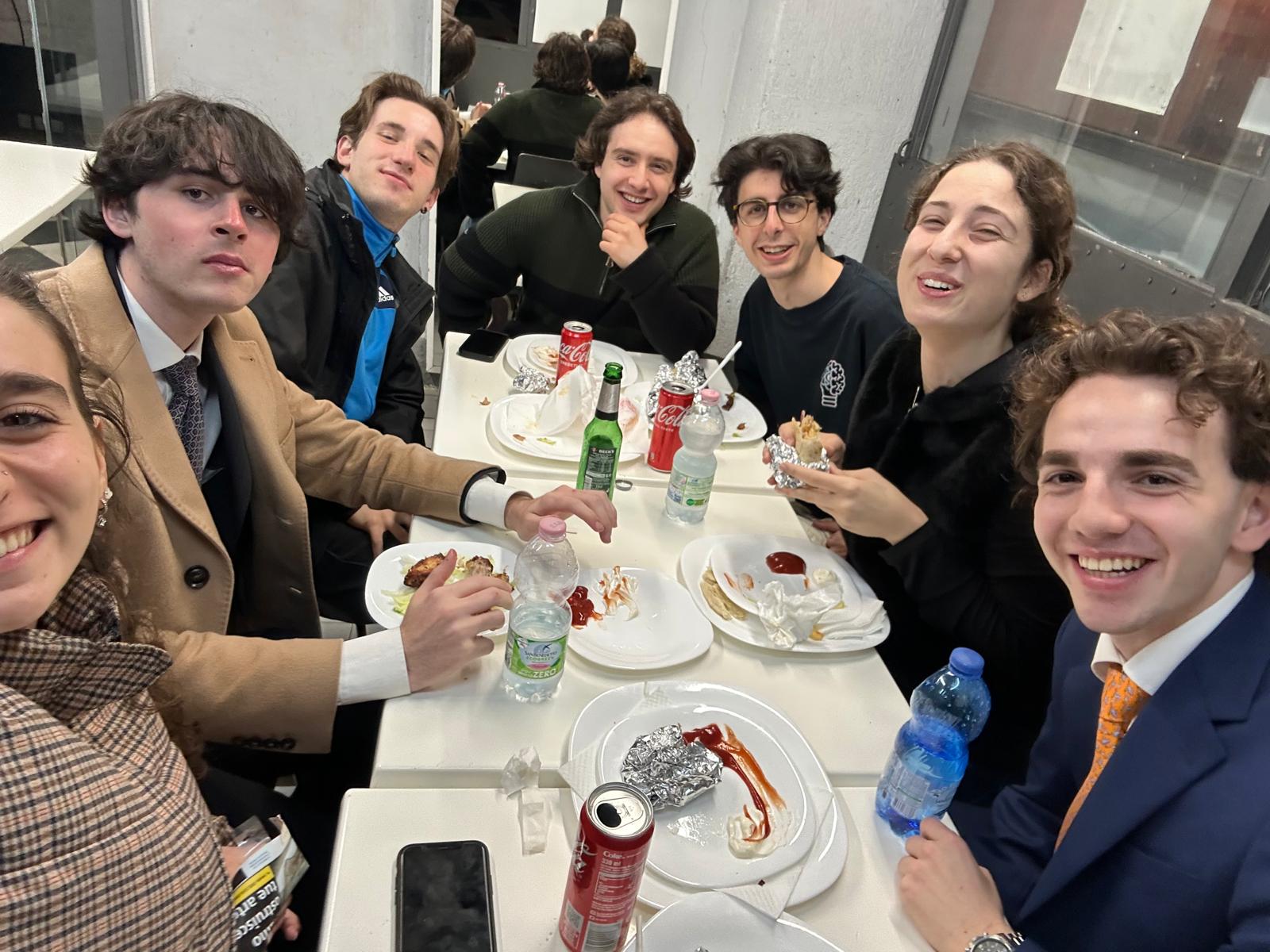
VOYCE was founded on 4 December with the aim of enabling the youth to address the pressing challenges facing Europe today.
The initiative began when Amy Grosso brought together a group of passionate Europeans, committed to developing a youth-centred European approach. Following extensive discussion and careful consideration, Giorgio Boiteux proposed the establishment of a think tank as the most effective means of articulating and advancing the needs and perspectives of young people.
The founding team was subsequently joined by Lia Bassanini, Carlo Casabona, Aldo Fittante, Leonardo Inglardi, and Michela Miglio, whose collective expertise and shared vision led to the creation of VOYCE.
VOYCE started publishing on the 20th of May 2025 and has not slowed down since!
How it happened
4 December
VOYCE is founded
Founded with the aim of enabling the youth to address the pressing challenges facing Europe today.
The beginning
A group of passionate Europeans
The initiative began when Amy Grosso brought together a group of passionate Europeans, committed to developing a youth-centred European approach.
The decision
A think tank takes shape
Following extensive discussion and careful consideration, Giorgio Boiteux proposed the establishment of a think tank as the most effective means of articulating and advancing the needs and perspectives of young people.
20 May 2025
VOYCE starts publishing
VOYCE started publishing on the 20th of May 2025 and has not slowed down since.
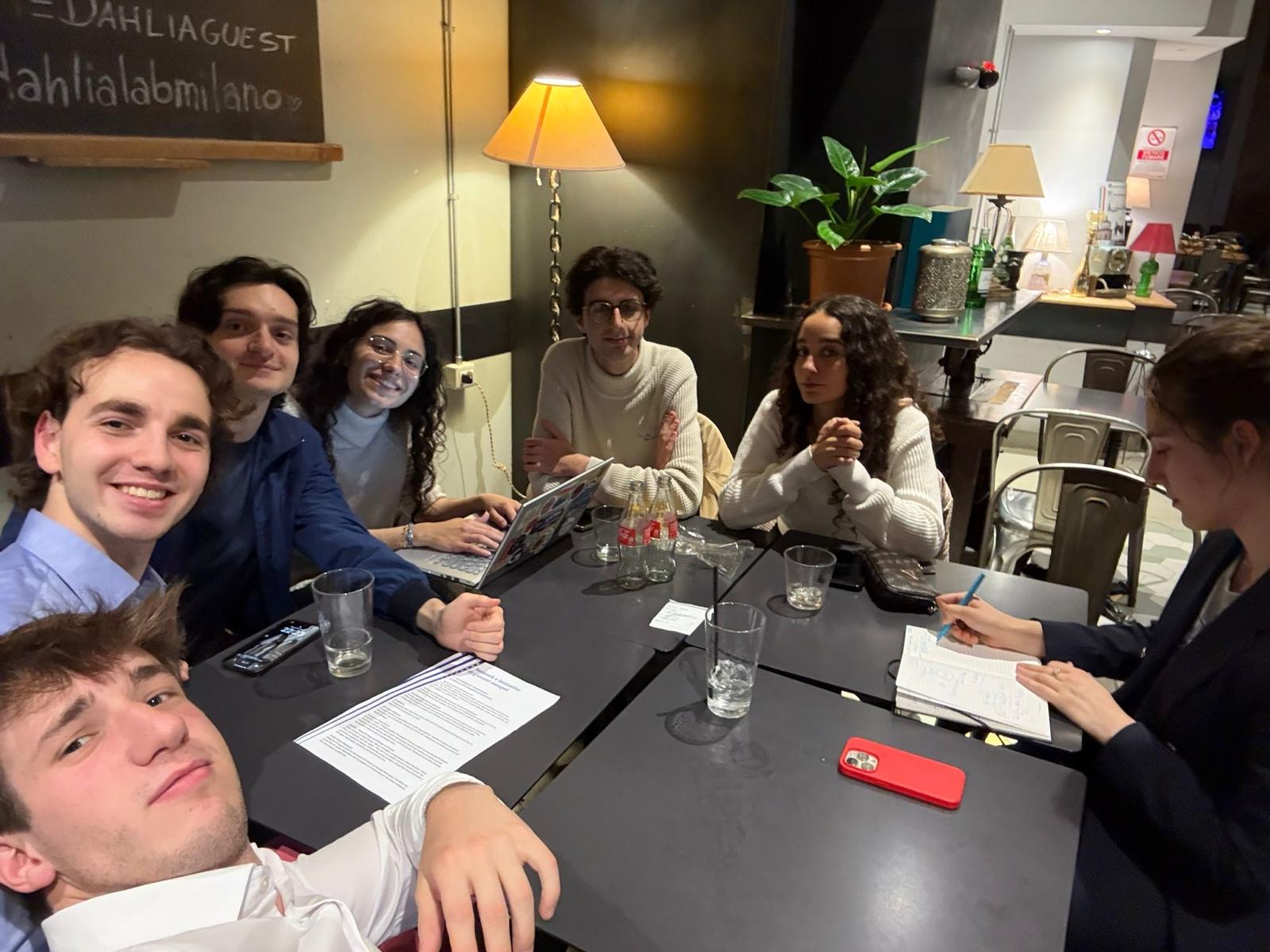
The founding team
- Amy Grosso
- Giorgio Boiteux
- Lia Bassanini
- Carlo Casabona
- Aldo Fittante
- Leonardo Inglardi
- Michela Miglio
Where we are now
150+ active members from more than 90 universities, organised into ten policy commissions and seven operational teams.