
Mathematical Insolvency to Strategic Superiority: Rebuilding Europe’s Drone Industrial Base
The PDF is the official version of this report. The web version below is provided for convenience.
1. Executive Summary
1.1 The Strategic Crisis: 2026 and the 22:1 Deficit
Europe currently confronts a structural crisis in its defence architecture that transcends tactical capability: the emergence of mass-produced, uncrewed systems has invalidated the economic and operational thinking of the legacy defence model. As of March 2026, the European Union faces a 22:1 cost-exchange deficit. In active theaters, “exquisite” multi-million-euro interceptors are being routinely expended to neutralize low-cost loitering munitions (Cody, M. A., 2026). This state of mathematical insolvency represents a surrender to fiscal exhaustion, where the cost of defence outpaces the cost of aggression by an order of magnitude.
The strategic analysis detailed in this report establishes that the Union’s reliance on a limited inventory of high-cost assets is a strategic dead end. In the era of the “transparent battlefield”, where persistent surveillance renders traditional concealment impossible, security is no longer a function of “exquisite scarcity” but of resilient mass (Schularick & Binder, 2026).
1.2 The Strategic Solution: Sovereign Industrial Velocity
To bridge this gap, Europe must institutionalize Sovereign Industrial Velocity (SIV). SIV is defined as the capacity of the European Defence Technological and Industrial Base (EDTIB) to develop, iterate, and deploy uncrewed systems at a rate that renders an adversary’s attrition strategy mathematically insolvent.
This transition requires a move toward the Sting Doctrine, a posture that prioritizes low-cost, high-volume, and software-defined platforms. This shift is a political necessity to escape the “sovereignty trap”, a state of strategic exposure where the Union remains dependent on extra-European actors for the microelectronics, software, and raw materials essential to its defence.
1.3 The Action Plan: Five Pillars of Policy Realignment
1.3.1 Pillar 1: Economic Sustainability & Attrition Parity
The foundational objective is to rectify the cost-exchange imbalance through a kinetic cost-efficiency mandate.
-
Mechanism: Leverage the €1.5 billion European Defence Industrial Programme (EDIP) work programme (March 30, 2026) to provide lump-sum grants for scaling production (EDIP, 2026a).
-
Metric: Enforce a unit-cost ceiling of €35,000–€50,000 for short-range interceptors.
-
Outcome: Achieving a 10:1 cost-reduction ensures that European inventories can sustain a multi-year conflict without fiscal collapse.
1.3.2 Pillar 2: Industrial Velocity through the “Resilient Factory”
Centralized industrial sites are now critical strategic liabilities. To achieve resilience, the Union must adopt a distributed manufacturing model.
-
Mechanism: Utilize the €325 million EDIP allocation for “European Defence Projects of Common Interest” (EDPCI) to establish regional drone clusters (EDIP, 2026b).
-
Logic: Creating a “cellular” production network across the 2,000+ SMEs in the EDTIB ensures an “unkillable” industrial base.
1.3.3 Pillar 3: The Software-First Doctrine
Hardware has become a commodity; software is the differentiator. Procurement must shift from “platforms” to Software-as-a-Platform (SaaP).
-
Logic: Prioritize AI-at-the-edge and GNSS-denied navigation (e.g., Helsing’s Altra modules) to neutralize the adversary’s “electronic barrier” (Helsing–Altra, n.d.).
-
Requirement: Mandate a 72-hour feedback loop for software-defined countermeasures to out-pace adversary adaptation.
1.3.4 Pillar 4: Deep-Tech Sovereignty and the Compute Moat
Assembly in Europe is a strategic illusion if the underlying microelectronics are non-EU.
-
Mechanism: Strictly enforce the 65% domestic content mandate (EDIP Regulation (EU) 2025/2643, Article 10(3)) through the European Security of Supply Regime.
-
Transition: Shift toward RISC-V open-source architectures to eliminate “black box” silicon vulnerabilities and secure the “compute moat”.
1.3.5 Pillar 5: Institutional Convergence and Standardization
Fragmentation of authority is a signal of weakness. The Common Component Architecture (CCA) Act must be codified by Q4 2026.
-
Action: Mandate interchangeable physical and digital interfaces across all 27 Member States.
-
Incentive: Use the €240 million joint procurement fund to force interoperability and unlock massive economies of scale (EDIP, 2026b).
1.4 Implementation and the 2030 Horizon
The window for industrial realignment is narrow. With the 1st EDIP Call for End-products closing on June 16, 2026, the decisions made in the current quarter will dictate Europe’s strategic posture for the next decade. This report provides the technical and policy roadmap to bridge the gap from mathematical insolvency to strategic superiority.
2. Introduction and Strategic Framework
The year 2026 represents a definitive shift in European defence architecture. For decades, the European Union’s security posture was predicated on the assumption of “exquisite” aerial superiority, a model characterized by high-cost, low-volume manned platforms and deep-seated transatlantic security guarantees. However, the emergence of persistent aerial contestation has rendered this paradigm obsolete. By early 2026, uncrewed aerial systems (UAS) have moved from peripheral “niche” technologies to a central pillar of sovereignty. This assessment analyses how the Union is navigating this “inflection point”, transitioning from a state of industrial vulnerability toward a doctrine of software-defined resilience and deep-tech autonomy (European Commission, 2024, COM(2024) 464 final).
2.1 The 2026 Geopolitical Inflection Point
While drone technology has evolved incrementally since the mid-20th century, the geopolitical realities of 2026 have accelerated its role as a primary strategic deterrent. The “grey zone” conflicts along the Union’s Eastern Flank have demonstrated that modern borders are no longer secured by traditional physical presence alone but by a digital and kinetic “mesh” of autonomous systems (JAPCC, 2024, p. 14). This period is defined by the democratization of precision strikes, where state and non-state actors utilize low-cost technology to bypass legacy air defence layers, necessitating a radical revaluation of European territorial integrity (IISS, 2025, p. 89).
2.1.1 The “Drone Wall” and the Eastern Flank
The most visible manifestation of this shift is the European Drone Defence Initiative (EDDI), colloquially known as the “Drone Wall”. Institutionalized in March 2026 as a flagship project under the European Defence Industry Programme (EDIP), the EDDI represents a transition from regional Baltic-Polish efforts to a pan-European integrated network (European Commission, 2026, IP/26/364). It is not a static barrier but a layered, interoperable network of sensors and interceptors spanning from the Arctic to the Black Sea (CEPA, 2024).
The primary operational challenge addressed by the EDDI is economic asymmetry. Adversaries utilize “attrition swarms” to force the expenditure of multi-million-euro interceptors against platforms costing less than €20,000. The EDDI seeks to rectify this imbalance by deploying a distributed defence layer of autonomous interceptors, ensuring that border security does not lead to fiscal exhaustion. This initiative serves as the operational testbed for Europe's ability to maintain a persistent defensive posture in a high-attrition environment (The Recursive, 2025; EDA, 2025).
2.1.2 The Operational Catalyst: Lessons in High-Intensity Attrition
The conflict in Ukraine serves as the definitive empirical case study for the “2026 reality”. After years of high-intensity engagement, the metric of military success is now a function of Sovereign Industrial Velocity (SIV), the capacity to iterate and replace systems faster than the adversary’s kill chain. (Min. Strategic Industries UA, 2026).
Lessons from this theater demonstrate that tactical drones are not “aircraft” in the traditional sense but “winged ammunition” (IISS, 2024, p. 74). By 2025, production volumes reaching a staggering 4 million units annually were achieved through technological simplification and decentralized manufacturing (UCDI, 2025; RNBO, 2026). For Europe, the core lesson is that tactical advantage is ephemeral, lasting only until the next software or electronic warfare (EW) update. Thus, sovereignty is now located within the speed of the feedback loop between the front line and the factory floor (OSW, 2024).
2.2 Theoretical Framework: Redefining Strategic Autonomy for Deep-Tech
The rapid evolution of uncrewed systems has forced a fundamental recalibration of “strategic autonomy”. While early 2020s policy focused on high-level political independence, the operational realities of 2026, specifically the transition to software-defined mass and attrition warfare, demand a “deep-tech” approach. This framework moves beyond the geographical location of final assembly lines and focuses on the absolute integrity of the underlying technology stack. As drones become the “economic equalizer” of the battlefield, European sovereignty is now inextricably linked to the ability to produce, iterate, and secure these systems without external interference. (European Commission, JOIN(2025), 27 final).
2.2.1 Beyond Assembly: The Compute and Component Moat
Historically, European defence procurement prioritised the final assembly of platforms within the Union. However, the conflict in Ukraine exposed this as a “sovereignty trap”, where platforms assembled on European soil remained strictly dependent on non-EU microelectronics and sensors. In the 2026 landscape, the European Defence Industrial Strategy (EDIS) identifies the “compute moat” as the true site of autonomy: the sovereign control over the silicon and the software that drives autonomous decision-making. (European Commission, 2026, IP/26/112).
Strategic autonomy now requires on-chip governance. If a drone utilizes flight controllers or AI accelerators with proprietary “black box” firmware from a third-party state, the rapid feedback loop required to outpace an adversary’s electronic warfare (EW) updates is fundamentally severed. Such platforms remain susceptible to remote neutralization or supply chain weaponization. Consequently, the Union’s roadmap prioritizes RISC-V-based architectures and EU-certified hardware root-of-trust to ensure the “brain” of this winged ammunition remains under sovereign control (European Commission, 2026).
2.2.2 The Sovereignty-Resilience Nexus
The second pillar of this framework is the Sovereignty-Resilience Nexus, which posits that the depth of domestic technological integration is directly proportional to systemic survivability in high-attrition environments. This is formalized through the collaborative procurement mandates established under the European Defence Industry Programme (EDIP), which was codified into law as part of Regulation (EU) 2025/2643 (Official Journal L, 2025/2643).
Resilience is defined as the capacity to maintain high-velocity production cycles even during a total supply chain blockade. Key components of this nexus include:
-
Sovereign Telemetry: Software stacks rooted in EU-verified hardware that guarantee uncompromised navigation in GNSS-denied environments (Council of the EU, 2025).
-
Distributed Manufacturing: Moving away from “Single Point of Failure” (SPOF) industrial sites toward the “Resilient Factory” model, directly mirroring the decentralized scale-up that allowed the Ukrainian defence industry to reach its 2025 benchmark of 4.5-million-unit annual capacity. (Ministry of Defence of Ukraine, 2026; RNBO, 2026).
-
Standardization of Attritables: Ensuring component interchangeability across Union platforms to allow for rapid scaling and cross-border field repairs.
2.2.3 Standardization of Attritables
The 2026 defence landscape is defined by the move away from proprietary components toward a strictly modular architecture for Uncrewed Aerial Systems (UAS). As the volume of required platforms reaches the millions, the EDIP provides the financial and legal levers, specifically under Article 12 (Industrial Reinforcement) and Article 20 (Supporting Actions), to incentivize the interchangeability of critical sub-systems (Official Journal L, 2025/2643).
-
The Common Component Architecture (CCA): Standardization is a prerequisite for receiving EU industrial reinforcement grants. The CCA framework focuses on uniform physical interfaces, open protocol telemetry (mandating EU-Sovereign protocols to prevent vendor lock-in), and cross-certification. Under EDIP Article 20(1), the Union fully funds interchangeability testing, allowing SMEs to produce standardized components pre-approved for all flagship European drone platforms.
-
Economies of Scale and NATO Interoperability: By 2026, the European Military Sales Mechanism (EDIP Art. 37) functions as a centralized catalogue identifying these standardized components. This drives down unit costs, ensures interoperability with NATO's Rapid Adoption Action Plan, and allows production to be dynamically diverted across the 2,000+ SMEs in the European Defence Technological and Industrial Base (EDTIB) to match wartime demand surges.
2.3 The “Three-Front” Challenge for the Union
By March 2026, the transition toward a drone-centric defence posture has moved beyond the conceptual phase, revealing a complex landscape of operational and systemic friction. The implementation of the “Drone Wall” initiative has demonstrated that achieving the 65% domestic content mandate, as codified in Article 10(3) of Regulation (EU) 2025/2643, is not a linear process. Rather, it requires the simultaneous synchronization of tactical doctrine, industrial throughput, and centralized regulatory oversight (EDIP Art. 10.3). This section analyses the three critical pressure points where European defence readiness faces its most significant hurdles.
2.3.1 The Tactical Front
The primary tactical challenge of 2026 is the cost-asymmetry of engagement outlined in Section 2.1. During the 2025 border incursions, NATO allies frequently scrambled multimillion-euro kinetic interceptors to neutralize Group 1 drones costing a fraction of that price. To solve this, the 2026 tactical doctrine has shifted toward a multilayered shield architecture:
-
Cellular Detection: The Commission launched a 2026 initiative utilising 5G antennas as passive radars, providing real-time, low-altitude tracking of objects as small as 100g across the Eastern Flank (European Commission, 2026, COM(2026) 81 final).
-
The “Sting” Doctrine: Prioritizing “Cheapest Adequate System Fires First”. This involves a hierarchy of electronic jammers and high-speed interceptor drones (e.g., the Ukrainian-designed “Sting”), which cost approximately €3,000-€5,000 per engagement, finally matching the threat's economic footprint and preserving strategic missiles for high-value targets (D-Fend Solutions, 2026).
2.3.2 The Industrial Front
The industrial front is defined by the dual need to scale production massively while simultaneously purging high-risk suppliers from the supply chain. 2026 is the “Year of the Label”:
-
The “EU Trusted” Drone Label: Introduced in February 2026, this certification identifies secure equipment that meets stringent hardware-root-of-trust standards. It is a strict prerequisite for any platform integrated into the Eastern Flank Watch initiative (European Commission, 2026).
-
The Drone Alliance with Ukraine: Functioning as an industrial accelerator, this alliance leverages Ukraine’s established production capacity to fast-track European mass production, facilitating the establishment of EDIP-funded “Resilient Factories” distributed across the Member States.
2.3.3 The Regulatory Front
2026 marks the end of the “open” era for tactical drones. Regulation has shifted from soft operational guidelines to mandatory hardware and software certification:
-
The 2026 Drone Security Package: Introduces mandatory Remote ID for all drones over 100g (a drop from the previous 250g limit) and establishes an EU-wide incident monitoring platform to actively filter “malicious” from “legitimate” traffic in contested airspace (EASA, 2026).
-
Type Certification Harmonization: For military or “specific” category operations, drones must now achieve an EASA Type Certificate (TC). The current challenge lies in adapting these stringent airworthiness standards so they do not throttle the rapid “battle-to-factory” innovation cycles required to maintain an edge in EW environments. (EASA, 2026, Regulation 2019/947 update).
2.3.4 Statistical Outlook: The 2026 Market Pivot
The strategic shift toward tactical and attritable segments is clearly reflected in the 2022-2035 growth trajectory. Driven by the “Drone Wall” procurement cycles, the European market is fundamentally restructuring. Investment capital and government contracts are greatly outpacing traditional aerospace growth curves, as nations prioritize the acquisition of high-volume, software-defined systems over legacy “exquisite” platforms.
2.4 Methodology: Multi-Vector Strategic Synthesis
To provide a rigorous assessment of the 2026 European defence landscape, this report employs a multi-vector strategic synthesis. This methodology acknowledges that uncrewed systems no longer exist solely as aerospace assets but as the complex intersection of hardware supply chains, software engineering, and international regulatory law. The analysis triangulates three distinct data streams:
-
Regulatory and Legislative Audits: An exhaustive review of the European Defence Industry Programme (EDIP) Regulation (EU) 2025/2643, the 2026 Drone Security Package, and EASA type-certification mandates.
-
Industrial Velocity Modelling: Comparative analysis of the European Defence Technological and Industrial Base (EDTIB) against the high-volume, decentralized production models established during the 2022–2025 conflict cycles in Eastern Europe.
-
Deep-Tech Forensic Analysis: Evaluation of the “compute moat” through the lens of semiconductor provenance, mapping the critical dependencies of European firms on non-EU microelectronics.
2.5 Scope and Strategic Goals
2.5.1 Operational Scope
The operational scope of this assessment is strictly focused on Class I and Class II tactical uncrewed systems, as well as specialized Counter-UAS (C-UAS) interceptors. It deliberately deprioritizes legacy Class III strategic assets (MALE/HALE) to focus on the high-volume, software-defined “mass” required for modern territorial defence and attrition warfare. Furthermore, the scope extends beyond the physical airframe to include the underlying technology stack: flight controllers, AI accelerators, and telemetry protocols.
2.5.2 Strategic Goals
The primary objective of this report is to provide a roadmap for European defence transition. The strategic goals of this framework are:
-
Establishing Attrition Parity: Formulating procurement strategies that bridge the economic mismatch between low-cost asymmetric threats and high-cost kinetic defence.
-
Securing Deep-Tech Sovereignty: Defining the legal and industrial requirements to move beyond final physical assembly toward the domestic control of the software stack and micro-electronic components.
-
Institutional Convergence: Providing actionable policy frameworks for the rapid harmonization of the Common Component Architecture (CCA) across all Member States.
-
Resolving Mathematical Insolvency: Establishing the fiscal frameworks to ensure European defence remains economically sustainable against mass asymmetric threats
2.5.3 Geographic and Institutional Scope
Geographically, the assessment covers the 27 EU Member States, with a highly specific operational focus on the Eastern Flank and the implementation of the “Drone Wall” from the Arctic to the Black Sea. Institutionally, it evaluates the coordination and friction between the European Commission, the European Defence Agency (EDA), the European Union Aviation Safety Agency (EASA), and allied industrial partners such as the Ukrainian Ministry of Strategic Industries.
2.6 Definitions and Taxonomy
To ensure analytical precision regarding the technical and regulatory frameworks discussed in this report, the following taxonomy establishes the operational baselines for uncrewed systems within the European context.
2.6.1 The Uncrewed Aerial Vehicle (UAV)
A UAV, per established definition, is an aircraft that operates without an onboard pilot, crew, or passengers present and is instead controlled remotely or through varying degrees of autonomy. While originally conceived primarily as intelligence, surveillance, and reconnaissance (ISR) assets, the 2026 paradigm recognizes tactical UAVs as “winged ammunition” capable of kinetic strike, electronic warfare, and autonomous terminal guidance.
2.6.2 Dual-Use Technology and the “Commercial” Blur
The 2026 landscape is defined by the total erosion of the boundary between civilian innovation and military application. Tactical drones represent the ultimate dual-use asset, where commercial-off-the-shelf (COTS) components, ranging from high-density batteries to open-source flight controllers, are weaponized at scale. This “blur” complicates export controls and necessitates the implementation of the “EU Trusted Drone” certification to verify hardware integrity and escape the “sovereignty trap" of external component dependency.
2.6.3 NATO UAS Classification (JAPCC)
This assessment adheres to the standard Joint Air Power Competence Centre (JAPCC) taxonomy, which categorizes uncrewed systems by weight, altitude, and mission profile. However, the report recognizes the definitive 2026 shift toward “Class I and II Attritables”, systems previously viewed as peripheral reconnaissance assets but now serving as the primary kinetic “winged ammunition” for territorial defence. Consequently, this assessment prioritizes the high-volume “mass” of Class I (under 150 kg) and Class II (150 kg to 600 kg) systems over legacy Class III strategic platforms.
3. Global Strategic Context: The Divergence of Industrial Architectures
Before analysing the specific capability gaps within the European Defence Technological and Industrial Base (EDTIB), the Union's industrial posture must be contextualized against the global baseline. Uncrewed aerial vehicles (UAVs) have undergone a dramatic evolution from experimental reconnaissance tools to the core instruments of contemporary geopolitical power (RUSI, The Drone Revolution, 2024).
3.0.1 The Strategic Utility of Uncrewed Mass
The defining transformation in modern drone warfare is the democratization of precision strike capabilities and the inversion of traditional cost-exchange ratios. By removing human operators from the physical battlefield, the operational, logistical, and domestic political costs of military action are drastically reduced. This dynamic allows state and non-state actors to project power, conduct persistent intelligence, surveillance, and reconnaissance (ISR), and execute operations in “grey-zone” environments, maintaining plausible deniability below the threshold of conventional warfare (IISS: Armed Conflict Survey 2025).
Furthermore, the introduction of high-volume attritable systems, conceptualized in Section 2 as “winged ammunition”, has fundamentally altered the macroeconomic calculus of defence. Traditional air defence architectures rely on highly sophisticated, multi-million-euro kinetic interceptors. The proliferation of Group 1 and Group 2 UAS (costing between €500 and €20,000 per unit) forces defending nations into an unsustainable fiscal posture. When a $4 million interceptor (such as the Patriot PAC-3) is required to neutralize a €15,000 loitering munition, the defending entity faces fiscal exhaustion long before it faces military defeat (European Policy Centre: The New Economics of Warfare, March 2026). This asymmetry dictates that modern deterrence is no longer purely a tactical challenge but an industrial one.
To navigate this landscape and successfully implement the “Drone Wall” initiative (formally launched by the European Commission in February 2026), Europe must evaluate the distinct procurement models utilized by rival and allied powers. Each of these models presents a unique approach to managing mass, supply chain security, and technological governance, highlighting both the vulnerabilities and the necessary adaptations required for the EDTIB.
3.1 Russia: State-Mobilized Attrition and Supply-Chain Redundancy
Russia’s uncrewed strategy is formally embedded in a state-driven industrial mobilization framework extending to 2030, which explicitly links civilian economic output with military modernization. Following severe supply chain shocks and the loss of overt access to Western electronics in 2022, Moscow was forced to rapidly pivot from an import-reliant, fragmented model to a wartime posture focused on high-volume resilience, alternative sourcing networks, and technological autarky. As verified by CNA (2025), this ‘technological pragmatism’ includes a doctrine that accepts failure rates of 60%–70%, utilizing numerical saturation to overwhelm defences and inflict disproportionate economic damage (CNA, 2025).
3.1.1 Sanctions Evasion and Commercial Component Harvesting
Unlike the European ambition to build a secure, sovereign “compute moat”, the Russian industrial base has embraced a doctrine of absolute technological pragmatism. Forensic analyses of Russian tactical quadcopters, ISR platforms (such as the Orlan-10), and loitering munitions (such as the Geran-2 and Lancet series) reveal a heavy, structural reliance on dual-use commercial microelectronics. Rather than developing indigenous military-grade silicon, Russian intelligence and procurement networks have established complex, multi-layered transshipment routes through Central Asia, the Middle East, and East Asia to acquire Western and Asian microcontrollers, GNSS modules, and field-programmable gate arrays (FPGAs) (Conflict Armament Research: Weaponization of Commercial Tech, 2025).
This reliance on Commercial-Off-The-Shelf (COTS) components presents a theoretical vulnerability: these chips lack the hardware-rooted telemetry and secure encryptions demanded by European and US standards, leaving Russian platforms highly susceptible to sophisticated electronic warfare (EW) spoofing and jamming. However, Russia mitigates these technical vulnerabilities through sheer numerical saturation. By driving the cost of production down to the absolute minimum, Russian doctrine accepts high platform failure rates, often anticipating that 60% to 70% of a drone swarm will be neutralized by EW or kinetic defence, because the remaining 30% is sufficient to overwhelm target defences and inflict disproportionate economic damage (RUSI: Mass and Attrition in the Drone Age, 2025).
Because the unit cost remains so low, the remaining 20% to 30% that survives is sufficient to overwhelm target defences and inflict disproportionate economic damage. This “attrition arithmetic” ensures that even with massive failure rates, the attacker maintains a decisive cost-exchange ratio, as a few successful $1,000 FPV strikes can destroy armoured platforms valued at over $4 million (Small Wars Journal: Cost Asymmetry and Attrition Economics, 2026).
3.1.2 The Tatarstan Model and Output Scaling
Russia’s transition from import dependency to domestic mass production is best exemplified by its localized scale-up of foreign designs. Initially reliant on direct imports of Shahed-136 munitions from Iran, Russia successfully localized and scaled assembly within its own borders. By late 2024 and expanding aggressively through 2026, facilities such as the Alabuga Special Economic Zone in Tatarstan transitioned into massive manufacturing hubs comprising a 17-facility complex with 116 buildings, encompassing over 2,820,000 square metres (CSIS, 2026), increasing the output of loitering munitions from roughly 50 per month to reportedly more than 5,500 units per month by early 2026 (ISIS: Alabuga Drone Facility Production Updates).
Backed by state investments exceeding ₽243 billion (approximately €2.45 billion) dedicated specifically to drone development for the 2022–2025 period and an additional ₽112 billion (approx. €1.1 billion) allocated for subsequent R&D, the Russian model proves that “deep-tech sovereignty" is not strictly required to wage a high-intensity drone war, provided a state is willing to ruthlessly exploit globalized civilian supply chains. By institutionalizing drone warfare at the lowest tactical levels and stripping away bureaucratic procurement hurdles, Russia has established the raw industrial velocity required to sustain prolonged attrition.
3.2 United States: The Legacy Trap and the Verification Gap
The United States represents the historical pioneer of uncrewed systems, having massively expanded its UAS budgets and operational footprint during the Global War on Terror (GWOT). Following the September 11 attacks, the U.S. UAS budget experienced a 275% increase, cementing American dominance in exquisite Class III platforms such as the MQ-9 Reaper and RQ-4 Global Hawk (CSIS, 2026). However, this legacy of undisputed airspace dominance has created a profound structural and bureaucratic trap for the U.S. defence-industrial base in 2026.
3.2.1 The “Replicator” Initiative vs. Institutional Friction
The U.S. procurement system remains heavily optimized for highly survivable, multi-million-euro platforms designed primarily for counter-insurgency operations in uncontested airspace. These platforms are ill-suited for the heavily contested, EW-dense environments of modern peer-to-peer conflict. Recognizing the urgent need for mass, particularly concerning the pacing threat in the Indo-Pacific, the U.S. Department of Defence launched the “Replicator” initiative. This programme aims to field thousands of autonomous, attritable systems across multiple domains within an 18-to-24-month timeframe (U.S. Department of Defence: Replicator Initiative).
Despite this high-level political mandate, the initiative faces intense institutional friction. Traditional U.S. defence primes are structured around low-volume, high-margin production models and multi-year development cycles. By early 2026, data suggests the Pentagon’s bureaucratic “immune system” has successfully resisted this push for speed, with contract-to-fielding timelines remaining marginally improved over traditional programs (GoTech Insights, 2026). Consequently, the Pentagon has increasingly relied on agile, venture-backed disruptors and “software-first” defence tech startups. Yet, bridging the “valley of death” between prototype funding and large-scale, programme-of-record procurement remains a chronic weakness in the American model.
3.2.2 Technological Protectionism and Compute-Based Verification
While Europe attempts to build its “compute moat” through domestic quotas (the EDIP 65% mandate), Washington has aggressively pivoted toward stringent technological protectionism. Following the January 2026 FCC update to its “Covered List”, U.S. authorities have effectively banned the procurement of future models from dominant Chinese firms like DJI and Autel, citing severe national security, surveillance, and data exfiltration risks (FCC: Equipment Authorization Program, 2026).
Crucially, the U.S. regulatory apparatus increasingly demands strict compute-based verification. To be approved for military or critical infrastructure use, drones must prove that their core microelectronics are free from foreign interference, often requiring hardware-rooted telemetry and secure domestic fabrication. While these strict market controls aim to close the verification gap and ensure absolute on-chip governance, they inherently throttle the speed of domestic production scaling. The U.S. commercial drone sector was decimated by Chinese market dumping in the 2010s; attempting to rebuild that capacity using exclusively American-made or allied-made components drives the unit cost of U.S. tactical drones an estimated 5 to 10 times higher than global market averages. For the United States, securing the technology stack is currently prioritized over achieving immediate tactical scaling, a luxury afforded by geographic isolation but one that presents a cautionary tale for European procurement timelines.
3.3 China: Civil-Military Fusion and Sub-Tier Supply Chain Dominance
China’s approach to uncrewed systems represents the most systemic, structural, and immediate challenge to European industrial autonomy. Unlike the U.S. reliance on private defence primes or Russia’s state-mobilized war economy, Beijing utilizes a comprehensive, legally mandated Civil-Military Fusion (CMF) strategy. This hybrid ecosystem seamlessly integrates state-owned defence conglomerates (such as AVIC and CASC) with highly agile, export-orientated private technology firms, effectively erasing the boundaries between commercial innovation and military application (EH4S, 2026).
3.3.1 Doctrinal Integration and Intelligentized Warfare
At the doctrinal level, the People’s Liberation Army (PLA) views uncrewed systems not merely as kinetic delivery vehicles or ISR platforms but as critical nodes for information dominance. Chinese military strategy has evolved from “informatized” warfare to “intelligentized” warfare, where AI-driven drone swarms are utilized for “system destruction warfare” within its Anti-Access/Area Denial (A2/AD) framework (DoD: Military and Security Developments Involving the PRC). This doctrine relies on an overwhelming mass of autonomous systems designed to saturate and blind enemy sensor networks and kinetic interceptors simultaneously.
3.3.2 Monopoly on the “Attritable” Technology Stack
China’s true strategic leverage, and the primary threat to Europe’s EDIP ambitions, lies not in final platform assembly but in its absolute dominance over foundational nodes, specifically the processing of rare earth elements (REEs) and the fabrication of high-density lithium-ion batteries and micro-motors (CSIS, 2025). Beijing controls the critical, foundational nodes of the dual-use technology stack. This includes a near-monopoly on the processing of rare earth elements (REEs) required for advanced sensors, the manufacturing of high-density lithium-ion battery cells, the production of commercial micro-motors, and the fabrication of printed circuit boards (PCBs).
By controlling these specific chokepoints, Beijing essentially dictates the global price floor for attritable mass, ensuring that European assembly remains a strategic illusion, a ‘sovereignty trap’ where production can be halted by an external component embargo (CSIS, 2025).
3.3.3 Export Strategy and Filling the MTCR Void
Furthermore, China has successfully leveraged its drone industry as a tool of geopolitical realignment. For decades, the proliferation of armed UAVs was tightly controlled by the Missile Technology Control Regime (MTCR), an agreement that the United States adhered to strictly, severely limiting the export of platforms like the MQ-9 to only a handful of its closest allies. China, operating outside these strictures, aggressively exported its Wing Loong and CH (Rainbow) series platforms to nations across the Middle East, North Africa, and Asia (SIPRI: Trends in International Arms Transfers).
While Chinese platforms are generally considered less exquisite than their American counterparts, their affordability and lack of end-user political conditions made them highly attractive. More critically for the European Union, China's near-monopoly on commercial dual-use components means that the vast majority of the world's “attritable” platforms, including those used extensively by both Ukrainian and Russian forces, are fundamentally reliant on Chinese industrial output. If Beijing were to implement a strict, global export embargo on drone sub-components, the global production of tactical drones would grind to a halt within months. This reality underscores the existential necessity of the European “compute moat” and the dire risk of the “sovereignty trap".
3.4 Emerging Disruptors: Techno-Nationalism and Asymmetric Proliferation
A comprehensive assessment of the 2026 industrial landscape is incomplete without acknowledging secondary actors who have successfully disrupted the traditional aerospace duopoly of the superpowers. These emerging actors demonstrate that middle powers and isolated states can profoundly alter regional security dynamics through specialized drone architectures.
3.4.1 Turkey: Export-Driven Techno-Nationalism and Drone Diplomacy
Turkey has successfully leveraged its domestic drone industry as a primary instrument of geopolitical statecraft and “drone diplomacy”. Following historical difficulties in procuring U.S. armed drones, Ankara initiated a concerted drive toward techno-nationalism, resulting in the rapid ascent of companies like Baykar Makina and Turkish Aerospace Industries (TAI). (ECFR, 2021,)
The Turkish model focuses heavily on “middle-weight”, highly effective Class II tactical platforms, most notably the Bayraktar TB2 and the heavier Akinci. By combat-testing these systems extensively in theaters such as Syria, Libya, Nagorno-Karabakh, and Ukraine, Turkey proved that affordable, reliable precision strike capabilities could decisively defeat legacy, Soviet-era armoured formations and air defence systems (ECFR: The Geopolitics of Drone Proliferation).
Crucially, the Turkish industrial model is export-driven. By selling these systems to dozens of nations across Europe, Africa, and Asia, nations priced out of the U.S. market and wary of the political strings attached to Chinese systems, Turkey subsidizes its domestic R&D. This allows Ankara to maintain a highly active, continuously iterating industrial base that operates entirely outside of legacy European frameworks, proving that mid-sized defence budgets can achieve outsized strategic impact through focused, specialised UAV procurement.
3.4.2 Iran: The Industrialization of Asymmetric Proxy Warfare
Conversely, the Islamic Republic of Iran has mastered the industrialization of asymmetric proxy warfare through uncrewed systems. Despite operating under decades of severe, crippling international sanctions and lacking access to advanced indigenous microelectronics, Iran has developed a highly robust, low-cost drone manufacturing base.
The Iranian model relies on reverse-engineering downed Western systems (such as the U.S. RQ-170 Sentinel) and aggressively exploiting illicit commercial supply chains via shell companies to acquire necessary sub-components. The resulting platforms, particularly the Shahed-131 and Shahed-136 loitering munitions, are technologically crude by European standards, utilising noisy moped engines and basic commercial GPS guidance. However, at an estimated cost of €18,000 to €35,000 per unit, they represent a highly efficient strategic strike capability.
Furthermore, Iran has pioneered “franchise manufacturing”, exporting not just the drones but also the production methodologies and blueprints to non-state proxies like the Houthi movement in Yemen, Hezbollah in Lebanon, and state allies like Russia (Washington Institute: Iran's Drone Proliferation). The Iranian model demonstrates a sobering reality for European defence planners: highly effective, disruptive aerial mass capable of shutting down global shipping lanes or terrorizing urban centres can be achieved entirely without advanced domestic microelectronics or a sophisticated “compute moat”, relying instead on analogue redundancy, commercial availability, and a willingness to operate outside international legal norms.
3.5 The Empirical Deficit: Quantifying the Cost-Exchange Asymmetry
The strategic danger of these divergent industrial models, particularly the Russian and Iranian utilization of attritable mass, can be precisely quantified. Recent comparative studies (2022–2026) analysing the cost-effectiveness of Counter-UAS (C-UAS) technologies reveal a profound structural misalignment in Western defence economics.
When analysing the distribution of cost-per-engagement across various technology categories, there is a near-complete statistical separation between legacy and emerging systems:
-
The Kinetic Trap: The kinetic interception category exhibits extreme right-skewed dispersion. While foundational to legacy Western air defence architectures, systems such as the IRIS-T SL, AIM-120C AMRAAM, and Patriot PAC-3 MSE drive the mean cost-per-engagement to approximately €610,000.
-
The Non-Kinetic Imperative: Conversely, Directed Energy Weapons (DEW) and Electronic Warfare (EW) countermeasures cluster tightly at the extreme lower end of the cost spectrum, with mean engagement costs of approximately €6.50 and €2.80, respectively.
The macroeconomic vulnerability of the legacy model is most evident when analysing the Mean Cost-Exchange Ratio. When a standard €610,000 kinetic interceptor is deployed against a benchmark €28,000 Group 3 loitering munition (such as the Shahed-136/Geran-2), the defending state suffers a negative cost-exchange ratio exceeding 22:1, as empirically verified by the Norsk Luftvern (2026) Cost Database.
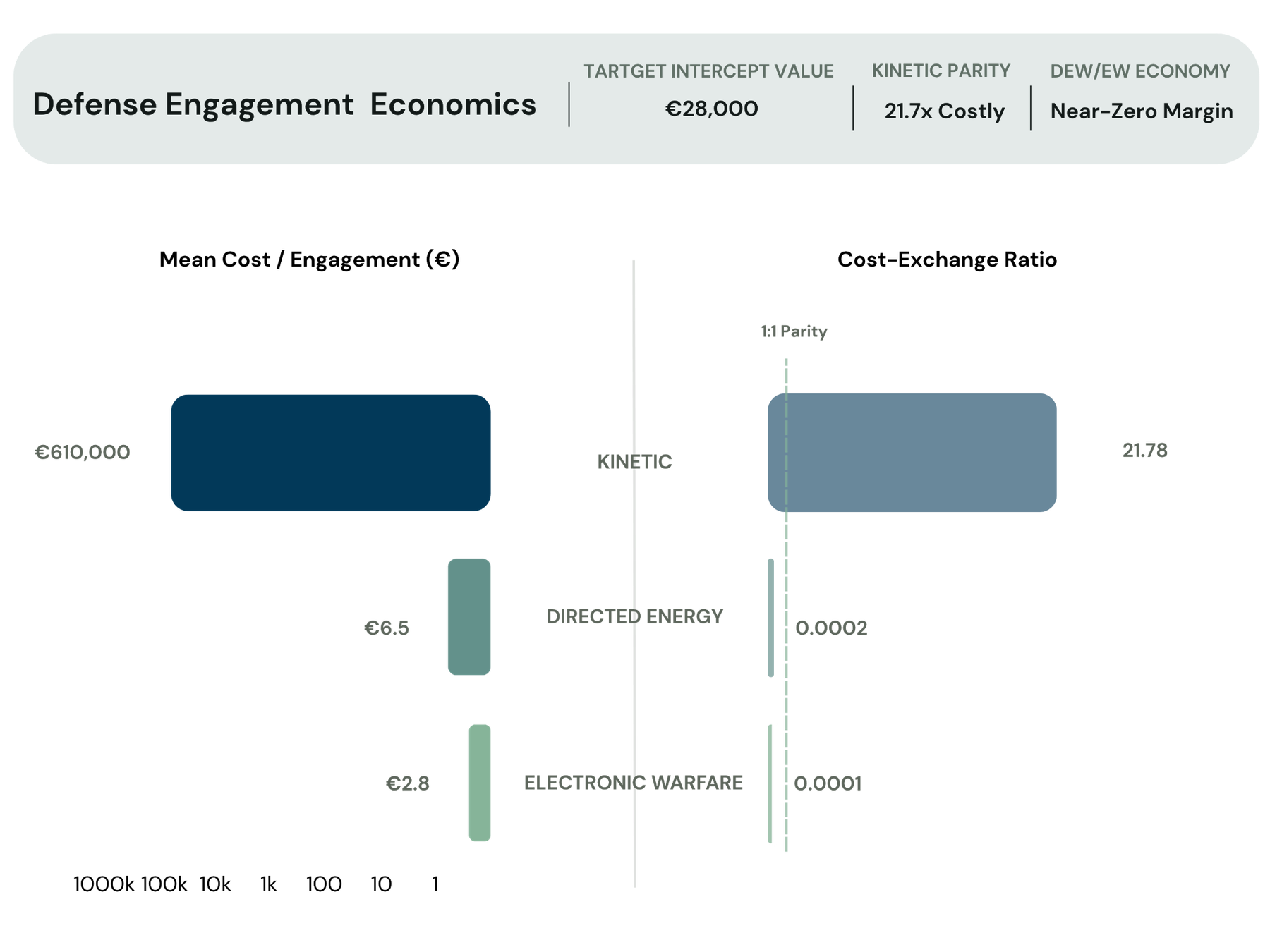
Figure 3.1: Mean Cost-per-Engagement and Exchange Ratios by Technology Category
Data demonstrates the statistical separation between high-cost kinetic legacy systems and high-efficiency DEW/EW countermeasures, highlighting the 22:1 vulnerability ratio as verified by the Norsk Luftvern 2026 Database, which demonstrates the fiscal necessity of transitioning to the Sting Doctrine's low-cost mass.
3.6 Strategic Implications for the EDTIB
The divergence of these industrial models provides a stark framing for Europe’s current predicament. Russia demonstrates the brutal efficacy of pragmatic mass and supply-chain harvesting. The United States illustrates the bureaucratic paralysis that occurs when exquisite legacy systems conflict with the sudden demand for low-cost scalability. China exhibits the ultimate leverage derived from dominating the sub-tier supply chains of dual-use technologies. Finally, Turkey and Iran prove that the barrier to entry for highly disruptive aerial power has permanently collapsed.
As the report transitions to Section 4, the core question is no longer whether Europe possesses the technological innovation to build advanced drones but whether the fragmented European Defence Technological and Industrial Base (EDTIB) can rapidly synthesize these global lessons. Europe must somehow achieve the mass of Russia, bypass the bureaucratic friction of the U.S., insulate itself from the supply chain monopoly of China, and match the agile innovation cycles of emerging techno-nationalists, all within the regulatory frameworks of the Union.
4. Analysis
4.1 The European Drone Industrial Base
Drone production in Europe is a growing but structurally uneven market. While the European Parliamentary Research Service (2025) noted that in 2022 around 40% of global drone companies were located in Europe, this numerical presence has not translated into market dominance. Chinese manufacturers continue to control large parts of the global market, particularly in low- and mid-range drones and the key components, batteries, micro-motors, and PCBs, that underpin the “winged ammunition” now defining contemporary conflict. Approximately 74% of global drone manufacturers remain of Chinese origin. According to the EH4S (2025) report, this creates a 'supply chain trap' where European tactical systems remain dependent on Chinese foundational nodes for critical sub-components.
Within Europe, the industrial landscape is fragmented. Large defence primes such as Airbus, Leonardo, Thales, BAE Systems, and Safran Electronics occupy strong positions at the high end of the value chain, focusing on military systems, sensors, avionics, and C4ISR. These firms operate within state-supported defence-industrial frameworks, but they are primarily optimized for the “exquisite legacy” model of low-volume production. A clear example of this focus on high-end precision is seen in the January 2026 Norwegian acquisition strategy, which included a $922 million contract for long-range, land-based precision fire. While such systems are vital for strategic deterrence, they reinforce a procurement architecture that prioritizes “scarcity” over the mass required to resolve the 22:1 cost-exchange deficit identified in Section 3.
At the tactical and dual-use levels, companies such as Parrot, Quantum Systems, UMS Skeldar, Tekever, Delair, and Drone Volt play an important role. These firms are typically smaller and innovation-driven, but they face a systemic "scale-up gap". As a result, Europe’s drone industrial base shows strong technological capabilities but limited Sovereign Industrial Velocity, the capacity for large-scale production and market consolidation necessary to sustain high-attrition warfare.
4.1.1 Programmes and initiatives
European and national drone programmes reflect both increasing ambition and persistent fragmentation. At the EU level, Permanent Structured Cooperation (PESCO) provides the main framework for defence coordination and joint capability development. Within PESCO, several projects address aerial systems, most notably the European Medium Altitude Long Endurance Remotely Piloted Aircraft System (Eurodrone).
Eurodrone is intended to provide the EU with a sovereign MALE RPAS capability and reduce dependence on non-European systems. Led by Germany, France, Italy and Spain, and developed by Airbus, Leonardo and Dassault Aviation, the programme focuses on military, surveillance, communications, and control capabilities, as well as certification for operation in non-segregated airspace. However, this strategic focus is shifting; the April 8, 2026, update to the French Military Programming Law (LPM) reallocated €8.5 billion toward ‘urgent’ tactical drones and loitering munitions, signalling a move away from high-end ISR scarcity toward mass. Alongside Eurodrone, smaller PESCO projects such as the Next Generation Small RPAS (NGSR) and maritime-focused initiatives illustrate a more mission-specific approach to drone development. The NGSR project, specifically, has matured into an open-architecture tactical system aimed at reducing operator workload in contested environments.
However, the Norsk Luftvern (2026) analysis highlights a looming industrial bottleneck: while Europe develops these strategic platforms, its current production rates for interceptors and tactical drones cannot match the consumption seen in high-intensity theaters. Even the Patriot PAC-3 MSE, currently priced at $4.2 million per interceptor, illustrates the fiscal unsustainability of the legacy model when compared to the Sting Doctrine requirements for low-cost mass.
At the regulatory level, U-space establishes a European framework for the integration of drones into civil airspace. While essential for the infrastructure for large-scale drone operations, Exercise Cold Response 2026 in Norway demonstrated that military operational readiness is still hampered by a lack of harmonized “Type-Certification” and divergent national frameworks. Innovation-orientated initiatives like AI-WASP and national programmes such as nEUROn (France), VANTAGE (Spain) and Granta Autonomy (Lithuania) further illustrate the diversity of Europe’s drone-related efforts but also their limited integration.
4.1.2 Market Structure: Market Size, Fragmentation, and Competitiveness
The European drone market is characterized by fragmentation, uneven competitiveness and limited economies of scale. Europe retains unmatched strengths in high-end military systems and advanced subsystems, such as the IRIS-T SL family, identified by Norsk Luftvern as a critical mid-range asset, but remains weaker in mass production and cost-efficient platforms. National procurement practices, divergent strategic priorities and slow coordination mechanisms further reinforce these structural constraints. As a result, Europe’s drone industrial base combines technological ambition with persistent external dependencies, creating a gap between industrial potential and effective market power.
4.2 Capability Gaps
This section builds on the industrial mapping in Section 4.1 by examining how structural features of Europe's drone sector translate into operational, economic, and political capability gaps. It argues that these gaps are not isolated technical deficiencies but mutually reinforcing constraints on Europe's readiness, industrial scalability, and strategic autonomy.
4.2.1 From Technical gaps to Political Weakness
Europe's defence debate still tends to count systems before it counts consequences. However, the industrial fragmentation, limited economies of scale, and external component dependencies identified in Section 4.1 indicate that the central issue is no longer absolute capability but the Union's ability to translate industrial capacity into deployable and sustainable power. The real question is no longer what Europe lacks but what that absence reveals about its collective purpose. Behind the missing drones, delayed interceptors, and fragmented procurement lies something deeper. These are not isolated shortcomings but signs of a larger challenge concerning political cohesion and strategic confidence.
Capability gaps now reflect the distance between ambition and the will to act together. In the drone domain, this is visible in the gap between Europe's technological sophistication and its limited ability to produce, deploy, and replace systems at scale, a failure to fully institutionalize the Sting Doctrine across the Union. They expose whether Europe can convert shared threat perception into shared political action.
Both the European Union's Strategic Compass (2022) and NATO's Strategic Concept (2022) define readiness not only as a technical measure but also as an expression of sovereignty. Within Europe's security architecture, preparedness has become a form of political credibility. The ability to act decisively and collectively, without depending on external enablers, represents the clearest proof of autonomy. In practice, this credibility is increasingly measured by the capacity to sustain drone and counter-drone operations under conditions of high attrition and rapid technological adaptation. Europe's readiness gap therefore reflects more than a lack of hardware. It signals a weakness in political coordination and timeliness in decision-making. Readiness, in this sense, is no longer an outcome of capability alone but a function of political alignment.
The changing character of warfare reinforces this conclusion. Hoffman (2007) and Kaldor (2012) describe modern conflict as hybrid, combining industrial, digital, and psychological domains while blurring the boundaries between war and peace. Drone warfare illustrates this convergence clearly. Drones are not merely instruments of surveillance or attack. They are also products of industrial ecosystems that depend on scalable manufacturing, software iteration, and resilient supply chains. In today's hybrid environment, every hesitation becomes visible, and each delay carries strategic cost. The speed of adaptation has become a strategic variable, and political delay now produces operational exposure.
Europe's capability gaps are not technical accidents. They emerge from the interaction between fragmented industrial structures, dependence on non-European components, and slow collective decision-making. As a result, readiness can no longer be measured only by inventories or budgets. It is measured by credibility and by the capacity to act when needed. This section treats Europe's capability deficit as a reflection of its political maturity. It tests whether the Union can translate industrial ambition into real power and transform cooperation into effective capacity. The subsections that follow examine how operational shortfalls, industrial dependency, and governance fragmentation reinforce one another, collectively eroding readiness and strategic credibility.
4.2.2 Operational and Technological Gaps: The Political Cost of Lagging Readiness
Europe's operational landscape reveals that technological lag has become a strategic liability. Despite a technologically advanced but fragmented industrial base (Section 4.1), Europe struggles to translate innovation into the scalable deployment of drones and counter-drone systems. The continent's shortfall in drones and counter-drone systems is no longer only a question of delayed production or fragmented procurement. It is a question of credibility.
In a security environment defined by rapid adaptation, compressed innovation cycles, and hybrid threats, slow progress has political consequences. Marianna Satta (2025) identifies what she calls an asymmetry of scale and an asymmetry of capital in Europe's defence posture. Together these terms describe a dual deficit: one of production and one of investment. While adversaries can field mass-produced, low-cost drone swarms, European states remain constrained by limited industrial throughput and high unit costs. This reflects a structural imbalance: Europe excels in high-end systems and subsystems but lacks the industrial depth required for mass production of attritable platforms. This imbalance leaves Europe with superior technology on paper but insufficient capacity to sustain operations in practice.
The gap is not only one of scale but also of industrial velocity: the ability to adapt and deploy at the pace required by contemporary conflict. The Norsk Luftvern (2026) analysis expands on this point with empirical brutality. It shows that defending against inexpensive drones with costly interceptors creates a defence model that is economically unsustainable. As established by the 2026 Cost Database, even the most capable Western systems, such as the Patriot PAC-3 MSE (priced at $4.2 million per interceptor), are forced into an engagement logic that yields the 22:1 negative cost-exchange ratio analysed in Section 3. In the drone domain, this cost asymmetry is structural, as low-cost, expendable systems directly exploit Europe's reliance on high-value platforms and limited inventories. In this context, innovation without scalable production capacity becomes a liability rather than an advantage. Each successful interception becomes a fiscal loss, gradually eroding the logic of deterrence. This mismatch between cost and capability transforms financial inefficiency into strategic exposure. When every engagement drains resources faster than they can be replenished, readiness becomes a question of endurance rather than technology.
The political implications of this gap are already visible in the 2026 landscape. The Reuters (2025) report on the so-called “Drone Wall” initiative illustrates how strategic urgency can collapse under institutional disagreement. The project, intended as a flagship for European air-defence cooperation, instead exposed coordination gaps among member states during Exercise Cold Response 2026. The debate shifted from the operational to the political, focusing on questions of leadership, financing, and implementation frameworks rather than capability delivery. What began as a necessary response to hybrid drone incursions became a case study in fragmented authority. More specifically, it reflected the absence of harmonized procurement, standardization, and production frameworks aligned with the Sting Doctrine requirements established in Section 2.
These operational weaknesses also shape Europe's wider geopolitical posture. The renewed United States claims over Greenland in early 2026, alongside Washington's dismissive tone toward NATO obligations, highlight how perceptions of European fragility can embolden external actors. When Europe appears divided or dependent, its deterrent value diminishes. The January 2026 Norwegian acquisition strategy, while securing a vital $922 million contract for land-based precision fire, simultaneously highlights the vacuum in low-cost, high-volume uncrewed mass. Capability gaps function not only as operational constraints but also as signals of industrial and political capacity to both allies and adversaries. In the context of drone warfare, where visibility and responsiveness are immediate; such signals are amplified and rapidly exploited. A lack of autonomous capacity invites challenges to sovereignty at Europe's periphery and beyond.
Together, these cases demonstrate that technical shortfalls evolve quickly into political dependencies. Each delay in capability development forces the Union to rely on allied systems and decision cycles that it cannot fully influence. This dependence limits its freedom to act and reinforces the perception that Europe's autonomy remains conditional. The readiness gap is therefore not only a technical or economic concern. It is a political indicator of Europe's ability to defend its interests without external validation. Addressing it will require more than investment in systems. It will demand a convergence of industrial capacity, institutional coordination, and political purpose. In practical terms, this means aligning drone production, procurement, and deployment cycles with the speed and scale required by contemporary conflict. Europe's sovereignty will ultimately be judged not by the scale of its arsenals but by the credibility of its decisions.
4.2.3 Strategic Dependencies and the Erosion of Autonomy
Europe's ability to act independently is constrained as much by its industrial dependencies as by its military shortfalls. As highlighted in Section 4.1, many European drone platforms remain dependent on non-EU components, particularly in microelectronics, sensors, and communication systems. The continent's strategic autonomy therefore rests on supply chains it does not fully control.
Peter Handley (2025) describes how critical inputs, ranging from semiconductors and advanced sensors to rare-earth elements, remain concentrated in supply chains dominated by non-European actors. This dependency creates structural vulnerabilities that are exacerbated by the sub-tier supply chain monopolies identified in Section 3.3, specifically Beijing’s control over the battery and micro-motor markets. In the drone sector, where systems are attritable and require constant replacement, such dependencies directly constrain Europe's ability to sustain production and adapt at speed during crises. Daniel Fiott (2025) shows that these bottlenecks are not limited to technology. They also extend to the security of supply networks, which depend on global trade routes and strategic relationships that can be disrupted or politicized. Sophia Besch (2025) argues that industrial fragmentation within the European Defence Technological and Industrial Base weakens collective resilience.
Competing national priorities and divergent procurement frameworks prevent economies of scale and slow the diffusion of innovation. The European Agenda (2025) report reaches similar conclusions, noting that even when joint funding exists, national implementation remains uneven. Together, these factors transform what should be a shared industrial ecosystem into a patchwork of partially aligned national programmes. In the drone domain, this fragmentation further limits standardization, interoperability, and the rapid scaling of production. Dependency is therefore reproduced internally as much as it is imported externally.
This structural dynamic is increasingly being addressed through European defence industrial policy, but not without new challenges. Under the European Defence Industry Programme (EDIP), the final regulation introduces an “EU-origin” requirement whereby components from outside the EU and associated countries must not exceed 35 per cent of the total component cost of the end product (Council of the European Union, 2025). In practice, this 65% threshold functions as a strategic filter, de-risking the EDTIB against the 'Sovereignty Trap' of external component weaponization. Compliance with this requirement conditions access to EU-supported funding and joint procurement frameworks. In practice, this creates a structural filter in the European defence market. Platforms that rely heavily on non-European components may become economically unviable within EU-supported programmes.
This threshold was a central point of contention during negotiations and reflects a broader political compromise between competing visions of European defence industrial policy, balancing protectionist demands for technological sovereignty with continued reliance on global supply chains (Großwald, 2026). This raises a broader concern that can be described as a “sovereignty trap” as defined in Section 3.3. A growing number of European firms, particularly in the drone sector, appear to meet formal European production criteria while remaining dependent on externally sourced components. In such cases, assembly takes place within Europe, but strategic control over critical inputs remains external. This dynamic is especially visible in drone manufacturing, where final assembly can be localized while key components, such as flight controllers, chips, and sensors, remain externally sourced. Beyond component origin, EDIP also introduces a “design authority” requirement, ensuring that control over the design and intellectual architecture of funded systems remains within the Union, further reinforcing the shift toward deep industrial sovereignty and hardware-rooted verification (Großwald, 2026). This model may satisfy short-term industrial targets, but it does not reduce dependency. Instead, it risks institutionalizing it under the appearance of autonomy.
These dynamics illustrate that the connection between dependency and autonomy is not only economic. It has direct political implications. When Europe relies on non-European suppliers for strategic components, it limits its capacity to define policy independently. The question becomes not whether Europe can pay for defence, but whether it can decide on its use without external consent. Dependence is therefore not merely a market reality. It is a transfer of strategic choice.
Recent debates around the Arctic and Greenland reinforce this point. The territory's vast reserves of rare-earth elements and its position along emerging sea routes underscore how industrial and geopolitical dependencies intersect. As established in the Norsk Luftvern (2026) Strategic Outlook, Europe's limited control over access to such resources exposes a broader weakness: the Union's strategic autonomy is still tied to assets and regions that lie outside its institutional reach. In this sense, supply-chain dependency in the drone sector reflects a wider structural exposure across critical raw materials and technologies. Industrial dependency and geopolitical vulnerability thus converge. The Greening Defence (2026) study introduces a further dimension by connecting sustainability and resilience. A defence sector that remains dependent on volatile energy inputs and external raw materials cannot achieve long-term autonomy. The transition toward cleaner production and circular resource management is, therefore, not only an environmental goal but a strategic necessity. Europe's dependency problem thus extends from factories to politics. It shapes how decisions are made, how quickly they are implemented, and how confidently Europe can project power.
Reducing this dependency will require aligning industrial policy with security strategy and treating supply-chain resilience as a central pillar of defence planning. In the drone domain, this implies securing access to critical components, diversifying supply chains, and integrating production across the European industrial base. Without such integration, the ambition of strategic autonomy will remain aspirational, a policy objective constrained by imported capacity.
4.2.4 The Defence Economics Trap: When Cost Becomes Strategy
Europe's deterrence credibility is now constrained not by political intent but by mathematical insolvency. The imbalance between the cost of defence systems and the affordability of their use has created a structural trap. This imbalance is particularly visible in the drone domain, where low-cost, high-impact systems challenge traditional models of high-value force projection. In an era defined by such technologies, Europe continues to invest in high-value platforms designed for conflicts that increasingly no longer fit the operational reality. The result is a widening gap between capability ownership and capability employment.
The Norsk Luftvern (2026) analysis illustrates this problem clearly. Utilizing the 2026 Cost Database, it quantifies the empirical separation established in Section 3.5: neutralizing a single €28,000 Group 3 loitering munition (such as the Shahed-136/Geran-2) currently requires a kinetic engagement with a mean cost of approximately €610,000. This inverse cost dynamic turns defence into a losing equation. It transforms deterrence from a matter of capability into a question of sustainability. If every act of protection depletes resources faster than they can be replenished, the balance of deterrence shifts decisively in favour of the aggressor. This creates the 22:1 cost-exchange deficit analysed in Section 3, rendering legacy air defence architectures mathematically insolvent in high-attrition drone environments. Marianna Satta (2025) identifies a similar economic distortion in Europe's production cycle. Her findings show that even as member states raise defence budgets, a significant share of funds is absorbed by procurement inefficiencies and delayed industrial delivery. This is compounded by Europe's limited ability to scale production of attritable systems, particularly drones and counter-drone solutions, at the pace required by contemporary conflict. This mismatch between spending and readiness reduces the political return on investment. Citizens and partners see higher expenditure but limited improvement in resilience, which undermines confidence in the Union's strategic direction.
These inefficiencies have broader implications for Europe's position within NATO and the global security architecture. As the Non-Nuclear Deterrence Report (LSE, 2024) notes, deterrence today depends as much on economic resilience as on military posture. If Europe's defence remains prohibitively expensive to operate and sustain, its deterrent effect diminishes, regardless of technological sophistication. Cost, in this sense, becomes a form of vulnerability – a metric that adversaries can exploit. The underlying issue is structural. Europe's defence model was built around legacy assumptions of scale, procurement centralization, and incremental innovation. Adversaries, by contrast, have adopted an approach based on distributed production, open-source technology, and cost saturation. The widespread use of drones as expendable systems exemplifies this shift. This asymmetry is no longer just technological. It is conceptual. Europe's strategic challenge is not only to acquire more equipment but also to rethink the economics of defence itself.
There is also a political dimension to this imbalance. Rising costs make collective defence harder to justify domestically and more difficult to coordinate multilaterally. When member states face diverging fiscal pressures, cooperation becomes selective. The result is fragmentation of priorities that weakens both deterrence and solidarity. The sustainability of defence spending thus becomes an implicit test of unity. To escape this trap, Europe will need to redefine efficiency as a strategic criterion rather than a budgetary constraint. Cost-effective defence should not be mistaken for minimal defence. It implies a model in which affordability, resilience, and readiness reinforce one another. In practical terms, this requires integrating scalable, lower-cost systems, specifically the Sting Doctrine interceptors and “winged ammunition” discussed in Section 2, alongside high-end capabilities. Without this shift, even ambitious capability roadmaps risk collapsing under their own financial weight.
4.2.5 Governance Gaps and Institutional Failure
Europe's defence shortfalls are often described in technical or financial terms, yet their roots are primarily institutional. The Union possesses the resources, industrial capacity, and shared threat perception necessary for credible defence. What it lacks is the political coherence to integrate them. The challenge is therefore not an absence of potential but the absence of alignment. As demonstrated in previous sections, this misalignment directly affects the development, procurement, and deployment of drone and counter-drone capabilities.
The Cordet (2025) analysis of PESCO highlights this structural weakness. The framework was conceived as a mechanism to enable the most willing member states to advance together on shared defence projects. In practice, it has become constrained by bureaucracy, uneven participation, and political caution. Projects advance slowly, consensus is fragile, and the process rewards inclusion over output. The result is a framework that measures progress by participation rather than by delivery. The European Defence Agency Progress Report (2025) confirms that many PESCO projects are operationally sound but politically under-supported. States hesitate to delegate authority, fearing a loss of national control over procurement and defence planning. This hesitation reflects a deeper issue: Europe's security architecture remains intergovernmental in design but supranational in ambition. The gap between these two realities is where coordination breaks down. This was notably evident during Exercise Cold Response 2026, where the practical integration of the “Drone Wall” was inhibited not by technology but by a lack of harmonized “Type-Certification” and divergent national command-and-control (C2) protocols.
The IISS (2025) and Cernat et al. (2025) studies further expose how fragmented procurement systems perpetuate inefficiency. Divergent national regulations and industrial interests inhibit joint tenders and delay interoperability. In the drone sector, this results in incompatible systems, limited standardization, and missed opportunities for scaling production across the Union. This fragmentation actively sustains the “verification gap". discussed in Section 3.2, as national protectionism often overrides the transparency required for collective industrial scaling. Even when funding instruments such as the European Defence Fund or the European Defence Industrial Programme are available, their impact is diluted by overlapping national priorities. Fragmentation thus becomes self-reinforcing: every state acts to protect its autonomy, yet in doing so, it collectively weakens Europe's ability to act as one. The CEPS (2025) Roadmap Towards a Common Defence for Europe illustrates the scale of ambition that remains unrealized. It envisions a fully integrated European defence market by 2030, supported by centralized coordination, shared capability planning, and streamlined procurement. Yet as the Joint Communication on Defence Readiness Roadmap 2030 (2025) notes, implementation continues to lag behind vision. Europe's capacity to design strategy now exceeds its capacity to execute it.
These governance failures are not procedural accidents. They reflect diverging strategic cultures among member states. Northern and eastern states prioritize immediate deterrence and hard security. Western and southern states emphasize industrial competitiveness and sustainable innovation. Each perspective is legitimate, but the absence of a political mechanism to reconcile them prevents coherence. Without a mechanism to bridge these cultural divides, the EDTIB cannot generate the sovereign industrial velocity required to compete with high-output adversaries.
The Union's institutional architecture is therefore caught between ambition and agency. The result is a cyclical pattern. Weak coordination delays capability development. Delays reinforce dependency. Dependency limits strategic choice. In the drone domain, where speed of iteration and deployment is critical, specifically the rapid scaling required for the Sting Doctrine, this cycle has immediate operational consequences. This self-perpetuating fragility cannot be solved by funding alone. It requires a political decision to treat defence not as a national domain supported by European tools but as a European domain implemented through national resources.
4.2.6 Strategic Implications: Why Closing These Gaps Matters
Europe's capability and governance shortcomings are no longer abstract weaknesses. They are vulnerabilities that define the Union's credibility as a security actor. Each operational shortfall or industrial dependency ultimately converges into a single political question: whether Europe can act when its interests are tested. In the context of drone warfare, where capability gaps are immediately visible and rapidly exploitable, this question becomes particularly acute.
In that sense, autonomy is not a slogan but a measure of strategic maturity. As Kupchan (2002) argued two decades ago, the post-Atlantic world would force Europe to confront its dependency on the United States not as a failure of alliance but as a test of sovereignty. That moment has now arrived. Biscop (2025) and others have since noted that the European project's strategic autonomy depends not on decoupling from NATO but on being able to contribute meaningfully within it. Autonomy, in the European sense, does not imply isolation from NATO but the credibility to act even when others will not. It is the political capacity to decide, coordinate, and act collectively, rather than depend on external enablers.
Recent transatlantic developments have brought this tension into sharp focus. The 2026 Norsk Luftvern Strategic Outlook highlights that the Arctic has become the primary theater where this autonomy is tested. Statements from Washington suggesting that the United States could claim or exert control over Greenland have triggered concern across European institutions. The EU Defence Commissioner has reiterated that Article 42.7 of the Treaty on the European Union obliges member states to provide mutual assistance in the event of armed aggression against Denmark. Such a scenario would not simply test NATO coercion. It would test Europe's own capacity to act collectively under pressure. The episode illustrates how quickly strategic dependency can translate into political exposure when allied guarantees are perceived as uncertain.
This uncertainty extends beyond transatlantic relations. Hybrid coercion increasingly exploits the same institutional seams that fragment Europe's defence architecture. Atkinson (2018) and Hybrid CoE (2025) describe how hybrid operations target precisely the areas where decision-making is slow, coordination is partial, and public consensus is thin. The EEAS Factsheet on Countering Hybrid Threats (2023) notes that these operations often begin below the threshold of Article 42.7 and Article 5 of the NATO Treaty, effectively bypassing collective defence mechanisms. Drone-enabled operations, characterized by the "attritable mass" discussed in Section 3, are particularly suited to this grey-zone environment. This reinforces the urgency of closing the capability gaps identified in this chapter by industrializing the Sting Doctrine, providing a low-threshold, high-volume response that does not require the exhaustion of high-value strategic inventories.
The political meaning of these developments is clear. Europe's strategic vulnerabilities are not primarily technological. They are systemic. They result from the dissonance between political ambition and operational capacity and between institutional complexity and strategic urgency. Until the “Verification Gaps” and industrial bottlenecks are resolved, Europe will remain reactive. Closing them is, therefore, not a question of industrial efficiency alone but of political agency. Europe's ability to deter hybrid and territorial coercion will determine whether it remains a coherent political actor or becomes a security appendage within an uncertain alliance. Ultimately, strategic maturity is measured by Sovereign Industrial Velocity: the ability to sustain the defence of European interests without external permission.
4.2.7 Policy Implications and Strategic Priorities
The analysis above demonstrates that Europe's capability shortfalls, industrial dependencies, and governance fragmentation are not separate challenges. They are interlinked dimensions of a single strategic vulnerability: the gap between Europe's political ambition and its ability to act collectively. Bridging that gap will determine whether the Union can evolve from a security framework into a security actor.
First, the analysis suggests that Europe should treat joint investment in drone and counter-drone systems as a matter of strategic credibility rather than technical procurement. Specifically, the shift from high-value "exquisite" platforms toward the mass-producible Sting Doctrine interceptors identified in Section 2 is now a fiscal and operational necessity. Operational weakness in this domain has already exposed dependence on external assets during periods of urgency. Financial instruments such as the EDF 2026 call topics and the Defence Readiness Roadmap 2030 provide a foundation, but their effectiveness will depend on political commitment rather than funding allocation alone.
Second, the Union requires a coherent supply-chain and technology-security strategy. The lessons drawn from Europe's energy dependencies are directly applicable to defence: resilience cannot be outsourced. As Handley (2025) and Fiott (2025) demonstrate, autonomy in production and innovation is the foundation of credible deterrence. In the drone sector, this requires securing access to critical components, reducing reliance on non-EU inputs, and enabling rapid scaling of production across the European industrial base. The EDIP 65% EU-origin requirement serves as a necessary baseline, but it must be paired with deep-tier hardware verification to prevent the “sovereignty trap” of external control over European-assembled systems.
Third, institutional alignment must catch up with strategic ambition. Fragmentation in procurement and capability development continues to dilute effectiveness. A functioning European defence industrial base depends on predictable frameworks and mutual trust among member states. Political coherence, rather than additional mechanisms, will determine whether initiatives such as PESCO and EDDI deliver results. Finally, strategic autonomy should be understood as collective resilience rather than national self-sufficiency. Autonomy does not mean disengagement from NATO. It means ensuring that Europe's capacity to act is not contingent on the choices of others. As demonstrated by the Norsk Luftvern (2026) cost analysis, the 22:1 deficit cannot be solved by national budgets acting in isolation; it requires the aggregation of demand across the Union to achieve the economies of scale necessary for attritable mass. Strategic autonomy is, therefore, not a political aspiration but a condition for credibility.
Taken together, these considerations clarify that closing Europe's capability gaps is ultimately a question of political agency, providing a bridge to the policy recommendations that follow. Europe's credibility as a security actor will not depend on declarations or roadmaps but on its ability to align political unity with industrial reality. Strategic autonomy begins with shared purpose, but it is increasingly defined by Europe's ability to navigate what can be described as a sovereignty trap. On one side lies the availability of low-cost, non-European systems that offer immediate capability but reinforce external dependency. On the other lies the pursuit of sovereign industrial capacity, which often entails higher costs, slower scaling, and complex coordination requirements under emerging EU funding frameworks. The central challenge is not simply to choose between these options but to reconcile them in a way that preserves both readiness and autonomy.
In this context, the primary measure of Europe's effectiveness as a security actor is no longer technological sophistication alone but its ability to generate what can be understood as sovereign industrial velocity: the capacity to develop, produce, and deploy critical systems at scale and speed within its own industrial base. The rest is a question of execution.
5. Case Studies: Industrial Adaptation and Lessons from Ukraine
The Ukrainian conflict has served as a definitive laboratory for the Sting Doctrine, demonstrating that it is possible to develop sophisticated uncrewed capabilities with limited prior industrial expertise in a compressed timeframe. As the 2026 landscape matures, European firms are no longer merely observing these lessons but are actively institutionalizing them to rectify the empirical deficits identified in Section 3. Among them is a burgeoning ecosystem of startups and joint ventures seeking to capitalize on a market defined by attritable mass. This section examines how the changing doctrine of drone utilization has fundamentally restructured procurement priorities and how European entities are adapting to this shift toward software-centric, high-velocity production.
5.1 Lessons from Ukraine: Industrialization, Scale, and Adaptation
Over four years of high-intensity conflict, Ukraine has engineered a robust drone sector capable of sustaining operations under extreme attrition. This achievement was driven by a unique convergence of civil resourcefulness and the technological democratization of uncrewed systems. Crucially, the early stages of this industrialization mirrored the “Verification Gap” discussed in Section 3.2: a decentralized movement of small, autonomous workshops assembling platforms from globalized sub-tier components. However, out of this initial “industrial chaos”, a structured framework emerged, successfully translating raw innovation into Sovereign Industrial Velocity.
This structural simplicity lowers the barriers to entry, shifting the competitive landscape from the pursuit of “exquisite legacy" systems toward the optimization of simple, modular architectures. In this new paradigm, the physical individual components are secondary to the intellectual design authority and the software-defined capabilities that govern them. In the reality of 2026, the arms race is no longer measured in hardware sophistication alone but in the speed at which software can iterate to bypass enemy Electronic Warfare (EW) cycles.
5.1.1 Economic Warfare and Drone-Driven Attrition
Although drone technology has been in use in military conflicts since the Vietnam War, it has been primarily used as decoys, against stationary targets and in a limited capacity for reconnaissance (Museums, n.d.). The four-year conflict in Ukraine has fundamentally expanded this scope, repositioning the drone as the primary kinetic strike asset against both infantry and mechanized units across vast, transparent battlefields. For the first time in history, tasks that previously required human soldiers to expose themselves to danger were automated and implemented at scale, solidifying the operational logic of the Sting Doctrine established in Section 2.
A single drone is less valuable than a human soldier; thus, when targeting, drone operators can afford to take more risks and fly closer to enemy lines. Moreover, since drones can perform reconnaissance, inflict damage, and move at far greater speed than human soldiers, once a potential target is spotted, an offensive FPV can attack it in a matter of seconds, greatly shortening the kill chain (Ruiz, 2025). Therefore, before committing to any action, one side must first ensure limited exposure to drones. This slows the rate of military progress drastically, as offensive actions become more costly in terms of human lives and equipment. This results in a stalemate similar to that on the Western Front in the First World War (McCabe, n.d.).
This unprecedented role which drones play in modern warfare sees them become one of the most utilized weapons on the battlefield, adding yet another dimension to modern warfare. As analysed in Section 3.5, the underlying engine of this adaptation is the 22:1 cost-exchange deficit where drones serve as the definitive “economic equalizer". Drones constantly scale the battlefield, providing real-time information and attacking any visible threats as the first line of defence. Simultaneously, their efficiency in neutralizing moving targets and their relatively low price per unit, corroborated by the Norsk Luftvern (2026) database, mean that before committing any of the more valuable legacy resources, each side of the conflict relies on drones to handle most threats. Thus, if one side utilizes drones, the other is mathematically compelled to achieve parity in attritable mass or suffer unsustainable operational exposure (Ruiz, 2025).
5.1.2 Scale and Technological Simplicity
In 2023, Forbes reported Ukrainian drone losses at a rate of 10,000 per month (Hambling, 2023). By 2026, the operational threshold has fundamentally expanded; Ukraine’s 2025 procurement of 4.5 million drones to supply its forces (Fornusek, 2025) reflects a staggering increase in attrition-based requirements that is only sustainable through high Sovereign Industrial Velocity. This expansion was in large part possible due to the relative technological simplicity, or structural modularity, of uncrewed systems. Each drone is built from only a few main components: frame, batteries, motor, motherboard, necessary sensors, and additional payloads. Although many modern drones comprise numerous additional subsystems, the number is still much smaller than that of other modern weapons. As analysed in Section 3.3, this streamlined sub-tier supply chain enables the mass-production cycles necessary to execute the Sting Doctrine. Moreover, even as drones continue to evolve, this underlying simplicity will not change, due to their role as the definitive economic equalizer in the 22:1 cost-exchange deficit established in Section 3.5.
5.1.3 The Role of Software and AI
As the evolution of hardware is increasingly constrained by globalized supply chains and the industrial production capability discussed in Section 4.1, software-defined capabilities have become the primary strategic differentiator on the 2026 battlefield. Drones possess inherently limited on-board memory and computation power due to stringent energy and mass restrictions. Consequently, the quality of the software architecture is crucial, as it serves as the force multiplier enabling the maximization of the platform's kinetic potential. This is particularly vital in environments defined by pervasive Electronic Warfare (EW) and terminal-phase jamming. In sectors where EW intensity is moderate, dynamic frequency hopping and communication protocol adaptation may suffice to maintain the operator-to-platform link. However, near high-value targets, such as main battle tanks or air defence clusters, all standardized frequencies are typically saturated. To overcome this “electronic barrier”, the Sting Doctrine relies on autonomous “AI-at-the-edge” models for terminal guidance, allowing the platform to track and engage targets without a sustained data link. Moreover, matured vision models are now standard in 2026 to assist operators in automated target recognition (ATR), reducing cognitive load and shortening the kill-chain in transparent battlefields (Bondar, 2025). This shift toward compute-based autonomy represents the final maturation of the Sting Doctrine: ensuring that even if the hardware is structurally simple, the terminal execution remains sovereign and immune to legacy interference.
5.1.4 Drones as Long-Range Strike Systems
During the four-year war, drones were repeatedly utilized to strike strategic targets far behind the front line (Field, 2025). Although these systems do not possess the kinetic energy or velocity of traditional cruise missiles, they are significantly more cost-effective and easier to develop at scale. As established in Section 2, this “winged ammunition” represents a conceptual shift away from exquisite, multi-million-euro missile systems toward attritable mass. Moreover, most legacy air-defence architectures were not originally designed to detect or intercept low-RCS (Radar Cross-Section), slow-moving platforms. Consequently, the operational cost of engagement, often requiring a €4.2 million Patriot interceptor or a €610,000 NASAMS missile, as identified by Norsk Luftvern (2026), is disproportionately high compared to the cost of the drone itself. This creates the susceptibility to swarming tactics that overwhelm defensive sensors.
The extreme cost-efficiency of these systems has led to a vertical increase in the number of targets engaged. In a reality of finite, high-cost air defence inventories, defending states are forced to prioritize the protection of “high-value” strategic assets, leaving industrial and energy infrastructure exposed. This is a direct manifestation of the 22:1 cost-exchange deficit analysed in Section 3.5, where the defender is forced into a state of “strategic scarcity”. The successful drone campaign against Russian energy infrastructure (Vakulenko, 2025) exemplifies this vulnerability. While individual strikes may carry varying tactical weight, the cumulative effect of forcing the adversary to expend high-end interceptors on low-cost drones is a primary driver of economic warfare. In the 2026 landscape, this asymmetry transforms industrial resilience from a logistical concern into a pillar of strategic deterrence.
5.1.5 Distributed Production and Resilient Factories
In an environment of persistent aerial surveillance and precision strike capabilities, traditional centralized industrial sites have become critical strategic vulnerabilities. To mitigate the risk of catastrophic systemic disruption, Ukraine has pioneered a decentralized manufacturing ecosystem, where drone assembly is distributed across an archipelago of small-scale, clandestine workshops (Nieczypor & Matuszak, 2025). These small, independent nodes require minimal infrastructure and can be rapidly relocated to evade detection or respond to localized kinetic threats.
This “Distributed Production Model” is a fundamental pillar of Sovereign Industrial Velocity as defined in Section 3. By avoiding the concentration of high-value industrial assets, a state ensures that its production capacity remains resilient even under sustained attrition. This approach directly supports the Sting Doctrine: it prioritizes the geographic redundancy of assembly lines over the centralized efficiency of legacy defence primes. In the 2026 context, this model demonstrates that industrial resilience is no longer a matter of physical hardening alone but of organizational agility and the ability to maintain output through a fragmented, yet coordinated, production network.
5.1.6 Beyond Combat: Logistics and Support Functions
While kinetic strike and reconnaissance platforms represent the visible core of the conflict, the proliferation of uncrewed systems has fundamentally restructured the foundational logic of combat support. In contested environments and high-threat zones where traditional manned supply lines are prohibitively vulnerable to precision fire, uncrewed aerial and ground platforms (UAVs/UGVs) have become indispensable for the “last-mile” logistical sustainment of forward-deployed units.
This application represents a logistical extension of the Sting Doctrine: utilizing low-cost, modular platforms to maintain operational tempo and supply-chain resilience without exposing high-value personnel to the attrition dynamics identified in Section 3. Drones are inherently adaptable; in an environment defined by persistent material shortages, this structural flexibility allows them to fulfil roles ranging from medical supply delivery to the deployment of dynamic communication relays. Furthermore, in the 2026 operational landscape, drones increasingly function as disposable sensor nodes that augment more complex legacy systems. This high mobility and sensor-fusion capability allow uncrewed systems to serve as a force multiplier for traditional units, providing the advanced situational awareness required to navigate the transparent battlefield without requiring the “exquisite” technological overhauls that characterize the legacy defence model.
5.2 The European Industrial Response: Adaptation and Scaling
The proliferation of drone warfare has fundamentally demonstrated how structurally modular and cost-efficient technology can serve as the strategic backbone of contemporary military operations. This conceptual shift has triggered a global defensive realignment, as established primes and agile startups race to institutionalize high-velocity industrial processes. In the 2026 landscape, this competition is particularly acute within Europe as the Union pursues a state of “strategic autonomy” and rapid rearmament in response to the erosion of traditional transatlantic security guarantees. This industrial response represents the first large-scale attempt to translate the lessons of the Ukrainian laboratory into Sovereign Industrial Velocity, testing whether the European industrial base can pivot away from “exquisite” scarcity toward attritable mass.
5.2.1 Legacy Defence Primes: Limits of Adaptation
While uncrewed systems are not a novelty within the European industrial base, the sector remains historically optimized for the “Exquisite Legacy” model of high-end, low-volume platforms. Italian defence prime Leonardo, for instance, has been developing the Falco drone family since 2003 (The Falco Family, n.d.). However, this lineage reflects the pre-2022 doctrine where drones were primarily conceptualized as strategic, high-value ISR (Intelligence, Surveillance, and Reconnaissance) platforms rather than the attritable mass required for the 22:1 cost-exchange reality established in Section 3.
While these larger platforms excel in complex, long-range missions, they are structurally ill-suited for the high-attrition dynamics of the modern frontline, where smaller and more cost-efficient systems are prioritized under the Sting Doctrine. European drone manufacturers attempted to pivot toward this requirement by launching the Next Generation Small RPAS (NGSR) project in 2021. However, as of April 2026, the project serves as a case study for the “governance gaps” and institutional failures identified in Section 4.2.5. Despite being intended to produce the smaller, cheaper platforms necessary for modern combat, the project has been hampered by the same institutional inertia and fragmented procurement cycles that characterize legacy defence primes. Consequently, the NGSR has faced multiple delays, and a definitive delivery date remains elusive. This highlights a systemic limit of adaptation: the inability of established primes to generate Sovereign Industrial Velocity when constrained by the high-overhead, low-output frameworks of the twentieth-century defence model.
5.2.2 Emerging Startups: Innovation and Scaling Challenges
Europe's strategic reorientation toward dual-use innovation and rapid capability development has created the most favourable market conditions for defence-tech startups in decades. According to the NATO Innovation Fund, venture capital funding for the European defence sector reached a record high of $8.7 billion in 2025 (NIF, 2026); this momentum has continued into early 2026, with the sector projected to remain the fastest-growing VC vertical in Europe year-on-year. In the shadow of the industrial inertia affecting legacy primes (Section 5.2.1), this wave of agile startups is seeking to capitalize on the unprecedented rise in military spending by offering solutions that combine battlefield-proven iterations with high-tier European engineering standards.
However, these startups face the systemic “scale-up gap” identified in Section 4.1. While the infusion of capital allows for rapid prototyping and software iteration, transitioning from a successful combat evaluation to the Sovereign Industrial Velocity required for high-attrition warfare remains a formidable hurdle. As established in the analysis of the Sting Doctrine (Section 2), the strategic value of these startups lies not just in their innovation but in their ability to achieve the economies of scale necessary to resolve the 22:1 cost-exchange deficit. Without bridging this gap between “innovation excellence” and “industrial mass”, Europe risks creating a fleet of sophisticated prototypes that cannot be produced at the volume required to deter a modern, high-output adversary.
5.2.3 Helsing: Software-Centric Warfare
Helsing represents a paradigm shift toward software-defined defence, positioning itself primarily as an AI entity that leverages hardware as a delivery mechanism for strategic capability. Their core product, the Altra software, enables cross-platform orchestration by processing fragmented battlefield data into a unified Common Operational Picture (COP). This allows a coordinator to synchronize strikes across a diverse array of assets, including legacy European artillery systems, mortar launchers, remote-controlled weapon stations, and ISR platforms. This interoperability is central to resolving the “governance gaps” identified in Section 4.2.5, as it provides a technical bridge between disparate national systems that have historically resisted integration. Crucially, when operating in the high-intensity EW environments analysed in Section 5.1.3, Helsing's drones utilize “AI-at-the-edge” vision models to track and engage targets based on the existing battlefield picture, effectively mitigating the “electronic barrier” of terminal-phase jamming (Altra – Helsing, n.d.).
Leveraging this software architecture, the company produces the HX-2, a strike and reconnaissance drone weighing 12kg with a range of 100km. The HX-2 is specifically engineered to fulfil the requirements of the Sting Doctrine, offering a mass-producible, swarm-capable platform carrying anti-tank and anti-structure munitions (HX-2 – AI Strike Drone – Helsing, n.d.). In late 2025, Helsing deployed 6,000 units for combat evaluation in Ukraine. While Bloomberg reported technical friction during these initial high-attrition trials (Kyriasoglou et al., 2026); the company maintains that the platform achieved near 100% mission success in validated tests across Germany, Ukraine, and Kenya. Despite these early operational “teething issues”, the February 2026 selection of Helsing to provide uncrewed strike capabilities for the Bundeswehr (Reuters, 2026) signals a critical inflection point in European procurement. It demonstrates a growing willingness to prioritize software-centric agility over legacy hardware traditions, representing a vital step toward achieving the Sovereign Industrial Velocity required to counter modern, high-output adversaries.
5.2.4 Quantum-Systems: ISR and Autonomy
Quantum-Systems produces a high-end reconnaissance drone, Vector, which has been in use on the battlefield since 2022. Since then, the company has successfully expanded its footprint in Ukraine through a strategic joint venture, Quantum Frontline Industries, allowing for a localized production and a shortened feedback loop that is essential for maintaining Sovereign Industrial Velocity (Melkozerova, 2025). This integration was further solidified in January 2026, when the Vector was awarded the “Army of Drones 2025” recognition by the Ukrainian Armed Forces for its operational effectiveness in Intelligence, Surveillance, and Reconnaissance (ISR) missions.
The company continues to advance its technological architecture to meet the requirements of the transparent battlefield. Key updates include the integration of dual NVIDIA Jetson Orin modules, which enable high-performance AI inference at the edge, supporting autonomous navigation in GNSS-deprived regions and real-time target detection (McNabb, 2024). Furthermore, the company has integrated the Weles Acoustic Sensor Payload (WASP), a specialized system developed by its Polish subsidiary that detects and locates artillery fire from up to 15km away. In the 2026 operational environment, this system is being automated to automatically direct the drone’s electro-optics toward the source of detected shots, further shortening the kill-chain analysed in Section 5.1.1. Beyond technical innovation, the company represents a shift in European defence capitalization. In February 2026, Quantum-Systems secured a €150 million long-term financing package backed by a €70 million loan from the European Investment Bank (EIB) alongside commercial partners KfW and Commerzbank (EIB, 2026). This financing, following a €340 million Series C equity round in 2025, reflects the broader alignment of European capital with geopolitical necessity discussed in Section 4.2. By scaling production within Germany and Ukraine, including the 2026 target of 10,000 “Linza” drones for frontline use, Quantum-Systems is positioning itself not merely as a hardware provider but as a central pillar of Europe's emerging autonomous defence industrial policy.
5.2.5 Frankenburg Technologies: Cost-Effective Air Defence
Low-flying targets represent a persistent detection challenge, often appearing only briefly before contact and operating below the radar horizons of legacy systems (Hwang et al., 2023). Frankenburg Technologies, an Estonian defence-tech startup, has emerged as a primary disruptor in the SHORAD (Short-Range Air Defence) sector by prioritizing the “economic equalization” of uncrewed threats. Their flagship product, the Mark I missile, is specifically engineered to rectify the 22:1 cost-exchange deficit analysed in Section 3.5. By utilizing a modular design and commercially available components, including a specialized 500-gram warhead that employs glass fragments for superior penetration of lightweight drone bodies, the Mark I aims to reduce the cost of short-range interception by more than 10–20x compared to traditional kinetic systems (EDR Magazine, 2026; Militarnyi, 2026).
The company’s strategic evolution in 2026 marks its transition from a disruptive innovator into a central pillar of European industrial mass. In March 2026, Frankenburg secured a €30 million Series A funding round led by Plural, bringing its total capital to €40 million (COBALT, 2026; EstVCA, 2026). This financial momentum has facilitated a framework agreement with Polska Grupa Zbrojeniowa (PGZ) signed on March 27, 2026, to establish a joint production facility in Poland (Frankenburg Technologies, 2026b; Defence Industry Europe, 2026). This facility is intended to reach a capacity of 10,000 missiles annually, serving as a European hub for anti-drone security and generating the Sovereign Industrial Velocity required to finally outweigh the volume of mass-produced enemy swarms. Furthermore, Frankenburg’s MoU with BAE Systems, signed in February 2026, focuses on accelerating the development of warheads for mass-producible, low-cost missile systems and exploring future technologies for the UK’s missile industrial base (Frankenburg Technologies, 2026a; Unmanned Airspace, 2026). As of April 2026, the Mark I has transitioned from a record of 53 successful live-fire trials to active combat evaluation in Ukraine, scheduled between April and June 2026 (Militarnyi, 2026). This deployment serves as the ultimate empirical test of the Sting Doctrine: demonstrating whether a low-cost, mass-producible missile can effectively invalidate the economic advantages of the adversary’s “winged ammunition”.
5.2.6 Origin Robotics: Counter-Drone Interception
Legacy air defence systems remain mathematically insolvent when faced with attritable mass and the 22:1 cost-exchange deficit established in Section 3. Origin Robotics operationalizes the Sting Doctrine by providing high-velocity, cost-effective alternatives to traditional “exquisite” interceptors.
Their flagship platform, BLAZE, is an autonomous C-UAS interceptor utilising AI-powered computer vision for precise engagement in transparent battlefield conditions, facilitating economic equalisation against swarming threats (BLAZE - ORIGIN, n.d.). By early 2026, the BLAZE had transitioned into an industrial reality, with deliveries commencing to the armed forces of Latvia, Belgium, and Estonia to support the emerging “Drone Wall” initiative (LIAA, 2026). Complementing this, the BEAK precision-guided system offers strike capabilities without the fiscal overhead of legacy missiles (BEAK - ORIGIN, n.d.). Crucially, both systems have been battle-proven in Ukraine, providing the empirical validation required to iterate software-defined capabilities at the speed of contemporary conflict (G, 2025; Hambling, 2025). By fielding modular, man-portable systems, Origin Robotics contributes directly to the Sovereign Industrial Velocity required to restore European strategic resilience.
5.3 Synthesis: From Battlefield Laboratory to Strategic Architecture
The case studies analysed in this section demonstrate that the Sting Doctrine is no longer a theoretical framework but a combat-proven operational reality. Ukraine has functioned as a brutal laboratory, proving that attritable mass and software-defined capabilities can invalidate the economic advantages of legacy “exquisite” systems. As evidenced by the emergence of firms like Helsing, Quantum-Systems, Frankenburg, and Origin Robotics, the European industrial base possesses the technical ingenuity to bridge the 22:1 cost-exchange deficit.
However, these industrial “success stories” remain fragmented. While individual startups have achieved breakthroughs in autonomy and cost-reduction, they continue to operate within a European ecosystem characterized by the “Scale-up Gap” and “Institutional Failure” identified in Section 4. Transitioning from combat evaluation to SIV requires a fundamental realignment of European procurement and strategic coordination.
The empirical lessons from the Ukrainian frontline and the innovative potential of Europe’s defence-tech sector now confront a decisive political hurdle. To move from tactical adaptation to a coherent defence posture, the Union must transition from supporting “projects” to building a Sovereign Industrial Architecture. The following section outlines the policy recommendations necessary to turn these technological fragments into a unified, resilient, and autonomous European defence capability.
6. Policy Recommendations
The following recommendations provide a structured, evidence-based roadmap for transitioning Europe from its current state of strategic exposure to a posture of deep-tech autonomy and industrial resilience. These policies are not theoretical abstractions; they are grounded in the empirical data provided by the Norsk Luftvern (2026) Cost Database, the successful distributed production models observed in Ukraine, and the emerging operational requirements of the “Drone Wall” initiative.
The central objective is to generate Sovereign Industrial Velocity: the capacity to develop, produce, and deploy uncrewed systems at a scale and speed that renders traditional, high-cost attrition strategies mathematically insolvent.
6.1 Pillar 1: Economic Sustainability & Attrition Parity
The foundational crisis facing European defence in 2026 is one of mathematical insolvency. As established in the analysis of the 22:1 cost-exchange deficit, the current defensive posture is optimized for a strategic paradigm that has been rendered obsolete by the proliferation of mass-produced uncrewed systems. In this legacy model, threats were “exquisite”, rare, and prohibitively expensive. The contemporary battlefield, defined by the persistent saturation of low-cost loitering munitions, demands a transition toward a logic of Economic Equalization.
6.1.1 The Strategic Stake: Ending Mathematical Asymmetry
Strategic victory is no longer determined by technical perfection but by the relative endurance of the industrial base. The Norsk Luftvern (2026) Cost Database reveals a catastrophic misallocation of resources: Utilizing a €610,000 missile to neutralize a €28,000 loitering munition is a structural surrender to fiscal exhaustion.
To rectify this, the Union must institutionalize the Sting Doctrine. The strategic goal is to change the adversary's calculus: when a strike drone is intercepted by an effector of equal or lower cost, the economic incentive for mass-drone warfare collapses (Pokorny, 2026).
6.1.2 Implementation: The Kinetic Cost-Efficiency Mandate
The European Commission, in coordination with the European Defence Agency (EDA), must implement a “Cost-Parity Requirement” for all short-range air defence (SHORAD) procurement under the European Drone Defence Initiative (EC, 2026a).
-
The Mandate: Procurement frameworks must strictly enforce a unit-cost ceiling for defensive effectors intended for Class 1 and Class 2 drone threats. This ceiling should target a 10:1 reduction compared to current legacy systems.
-
The Evidence: The Frankenburg Technologies Mark I programme proves this is industrially feasible. By utilizing modular, commercially available components and glass-fragment warheads, they have targeted a unit cost of approximately €35,000–€50,000 while maintaining high lethality against Shahed-class targets (EDR Magazine, 2026; Modern Mechanics, 2025).
6.1.3 Funding Mechanism: The EDIP “Attritable Mass Fund”
The €1.5 billion European Defence Industrial Programme (EDIP), adopted on March 30, 2026, provides the necessary fiscal lever. A dedicated envelope of over €700 million is earmarked for the production increase of key defence components, including counter-drone systems (EC, 2026b).
-
The Logic: Within this budget, an “Attritable Mass Fund” should bridge the “Valley of Death” for agile startups. Following Article 20 of the EDIP Regulation, the fund offers lump-sum grants covering 35% of industrialization costs, with a 50% bonus for cross-border SME consortia (CMS Law, 2025).
-
The Constraint: To ensure true strategic autonomy, funding must be tethered to Article 10(3) of the EDIP Regulation, which mandates that the cost of components originating outside the EU or associated countries must not exceed 35% of the end product's cost (CMS Law, 2025).
6.1.4 Strategic Shift: From Stockpiles to Sovereign Industrial Velocity
The metric of strategic readiness must be fundamentally redefined. Traditional defence metrics measure security by “stockpiles”, or static inventories in a warehouse. In high-attrition environments, these are often depleted within the first 72 hours of contact.
Sovereign Industrial Velocity must replace the stockpile as the primary KPI. This requires the adoption of “Advance Purchase Agreements” (APAs), modelled on the rapid-response procurement derogations recently adopted for Ukraine (EC, 2026c). By guaranteeing the purchase of 500,000+ interceptors over a five-year horizon, the EU provides the “bankable demand signal” required for startups to secure private venture capital and scale production to combat-relevant volumes.
6.2 Pillar 2: Industrial Velocity through the “Resilient Factory”
The second pillar of Europe’s strategic realignment addresses the critical physical vulnerability of its industrial base. As established in the combat data from the Ukrainian theater (Section 5.1.5), the 20th-century model of massive, centralized defence “Giga-factories” has transitioned from a strategic asset into a primary liability. In an era of persistent satellite surveillance and precision strike, monolithic industrial sites represent “single points of failure” that are easily neutralized by kinetic or hybrid disruption. To achieve Sovereign Industrial Velocity, Europe must transition toward a logic of Decentralization as Target Hardening.
6.2.1 The Strategic Stake: Decentralization as Target Hardening
Industrial resilience is no longer a matter of physical fortification but of geographic and organizational dispersion. The “Resilient Factory” concept replaces the single, high-value assembly plant with a “cellular” network of smaller, modular nodes. This is the industrial equivalent of the Sting Doctrine: if an adversary destroys one node, the network’s total output remains statistically unaffected.
The benchmark for this model is the Ukrainian uncrewed ecosystem, which, as of 2026, has reached an unprecedented production capacity of over 8 million FPV drones per year (RNBO, 2026). This volume is made possible by an archipelago of more than 160 companies, ranging from innovative SMEs to repurposed civilian facilities, linked by a shared digital supply chain. This architecture was the key enabler for Operation “Spiderweb”, proving that a decentralized industrial base can sustain high-intensity operations even under constant bombardment (RNBO, 2026).
6.2.2 Implementation: The “Distributed Production Directive”
To replicate this success, the European Commission formalized the “Distributed Production Directive” within the €1.5 billion European Defence Industrial Programme (EDIP) work programme adopted on March 30, 2026 (EC, 2026b). This policy focuses on incentivising the creation of regional assembly clusters that prioritize agility over scale.
-
Mechanism: Utilize the European Defence Projects of Common Interest (EDPCI) framework, which received €325 million in the March 2026 allocation (EC, 2026b). These funds are specifically directed to the “Eastern Flank Watch” flagship project to establish high-velocity assembly hubs in Poland, the Baltics, and Romania.
-
The Constraint: To qualify for “Resilience Subsidies”, contractors must demonstrate that their platform can be assembled across at least three different Member States using standardized, modular components. This prevents the “Monopoly Trap” and ensures that the industrial heart of the “Drone Wall” remains geographically redundant (European Parliament, 2026).
6.2.3 Industrial Lever: Manufacturing as a Service (MaaS)
The €700 million Industrial Reinforcement Actions (IRA) envelope serves as the primary engine for this transformation (EC, 2026a). Specifically, the 1st IRA call (submission deadline June 16, 2026) allocates €180 million to projects focusing on the production of missiles, ammunitions, and counter-UxS systems (EC, 2026c).
-
The Logic: This allows the defence sector to leverage the 2,000+ SMEs within the EDTIB currently operating in civilian sectors. By providing these firms with standardized “Defence Surge” blueprints, the EU can activate a massive industrial reserve during a crisis.
-
The Action: Under the BraveTech EU initiative (€35.3M), a new defence innovation programme is now supporting both Ukrainian and EU industries to boost innovation and tackle urgent challenges (EC, 2026b). This facilitates the “innovation loops” required to integrate software-defined improvements into cellular production lines within a 72-hour window.
6.2.4 Strategic Shift: Redefining “Sovereign Industrial Velocity”
Ultimately, Pillar 2 moves the goalpost from "capacity" to "velocity". Capacity is static; Velocity is the rate at which that capacity can be deployed, scaled, and repaired. By institutionalizing the Resilient Factory, Europe ensures that its industrial output is not only high-volume but also unkillable. This creates an industrial posture that out-paces the adversary's attrition, turning Europe's geographic diversity into its greatest industrial strength.
6.3 Pillar 3: The Software-First Doctrine
The third pillar of Europe’s strategic realignment addresses the transition of the uncrewed platform from a mechanical asset to a software-defined capability. As evidenced by the rapid obsolescence cycles observed in contemporary electronic warfare (EW) environments through early 2026, hardware has increasingly become a commodity. The definitive strategic differentiator is now the “Cognitive Layer”, the ability of a system to perceive, navigate, and engage targets autonomously when traditional communication and navigation links are severed. To secure the “Drone Wall”, Europe must move away from rigid, platform-centric procurement and adopt a Software-as-a-Platform (SaaP) doctrine.
6.3.1 The Strategic Stake: Breaking the “Electronic Barrier”
The primary operational challenge identified in the 2026 Ifri report, “Mapping the MilTech War”, is the emergence of a near-impenetrable “Electronic Barrier” in contested environments (Ifri, 2026). Russian modernization of satellite navigation jamming and signal spoofing has forced a shift away from pilot-dependent systems toward intelligent, autonomous navigation.
Without a software-first approach, European systems remain vulnerable to “bricking” during the first contact with sophisticated EW. Strategic autonomy therefore depends on AI-at-the-Edge: the migration of processing power from ground stations directly onto the platform. This ensures that the drone can execute terminal-phase guidance and route correction using computer vision and inertial sensors, even when GNSS-denied.
6.3.2 Implementation: Transitioning to Software-as-a-Platform (SaaP)
To support this shift, the European Commission’s Work Programme 2026 includes a legislative file entitled “Simplifying defence and sensitive security procurement”, designed to bypass the administrative burden of traditional defence acquisition for emerging technologies (European Parliament, 2026).
-
The Mechanism: Establish “Agile Procurement Cycles” that decouple software updates from hardware hulls. Rather than purchasing a fixed “drone platform”, Member States should procure a software-defined architecture that allows for modular AI “plug-ins” from across the EDTIB.
-
The Action: Launch a European Drone Software Registry under the newly formed EU Counter-Drone Centre of Excellence (established Feb 2026). This registry functions as a library of verified, AI-based terminal guidance and EW-countermeasure modules, allowing any CCA-compliant hardware to “hot-swap” its intelligence layer based on the current threat profile (EC, 2026a).
-
The Evidence: The partnership between HENSOLDT and Helsing (Feb 2026) to create an “end-to-end European combat architecture” proves the industrial viability of this model. Their MDOcore software suite correlates sensor data at the edge, prioritizes threats, and maintains cross-domain situational awareness even under intense jamming (HENSOLDT, 2026).
6.3.3 Operational Agility: The 72-Hour Software Feedback Loop
The speed of the feedback loop (the duration between identifying a new EW signature and deploying a software countermeasure) is the new arms race. Lessons from the Ukrainian “Battlefield Laboratory” show that UAVs evolved through eight distinct phases in just four years, largely through software iteration (Ifri, 2026).
-
The Logic: Prioritize AI-enabled autonomous terminal guidance, such as Helsing’s Altra reconnaissance-strike software, which combines data feeds from multiple drones to identify targets in real-time. This provides ground stations with a highly precise, automated battlefield picture that informs indirect fire and strike missions (Helsing, 2026).
-
Technical Integration: Mandate the integration of edge-computing modules, such as Quantum-Systems’ Jetson Orin modules, into all standard “Drone Wall” platforms. These modules allow for real-time onboard AI inference, enabling GNSS-denied navigation through visual odometry and SLAM (Simultaneous Localization and Mapping) (DroneLife, 2026).
-
The Action: European defence contracts must move from multi-year delivery schedules to continuous software integration. Contractors should be mandated to demonstrate a 72-hour turnaround for software-defined EW countermeasures, mimicking the agility of “sovereign combat architectures” currently being tested in 2026.
6.3.4 Strategic Outcome: Achieving Cognitive Superiority
By adopting a Software-First Doctrine, Europe ensures that its defence posture is no longer tethered to the slow, physical production cycles of legacy hardware. It transforms the “Drone Wall” into a living, learning defensive network. This cognitive superiority allows the Union to maintain lethality in “dark” electromagnetic environments, turning drones into intelligent, autonomous nodes that can out-calculate and out-manoeuvre the adversary’s investment in EW saturation.
6.4 Pillar 4: Deep-Tech Sovereignty and the Compute Moat
The fourth pillar addresses the fundamental “sovereignty trap” identified in Chapter 2.2.1: the reality that physical assembly within the European Union is a strategic illusion if the underlying microelectronics and raw materials remain under extra-European control. As demonstrated by the supply chain shocks of 2024–2025, a drone “Made in Europe” is effectively a guest on the battlefield if its flight controller or propellant components can be “switched off” or restricted by an external power. To achieve true Deep-Tech Autonomy, Europe must move beyond superficial assembly and secure the entire vertical stack, from the silicon gate to the rare-earth magnet.
6.4.1 The Strategic Stake: Escaping the “Sovereignty Trap”
To escape the Sovereignty Trap defined in Section 4.2.3, the Union must address the 'black box' nature of proprietary non-EU microelectronics. External dependencies in the silicon layer represent more than just a supply risk; they represent a hardware-level vulnerability where unauthorized telemetry or remote “geofencing” could be utilized to subvert European defensive operations.
Strategic autonomy in 2026 requires the establishment of a “compute moat”, a defensive perimeter around European intellectual property and hardware integrity. This necessitates a shift toward open-standard architectures and a strictly enforced domestic content regime that ensures the “brain” of every European uncrewed system is verifiable and secure.
6.4.2 Implementation: The 65% Mandate and On-Chip Governance
The primary legislative tool to resolve this trap is the European Defence Industrial Programme (EDIP) Regulation, approved in November 2025 and entering its critical implementation phase in April 2026 (EC, 2026a).
-
The Mechanism: Operationalise the 65% mandate, the Union must transition to On-Chip Governance, utilizing Hardware-Root of Trust (HRoT) to verify that sovereign content is intellectually rooted in Europe, rather than merely assembled here.
-
The Action: Institutionalize “On-Chip Governance” by mandating Hardware-Root of Trust (HRoT) telemetry for all flight-critical microcontrollers. This involves utilizing silicon-level “fingerprints” to verify that a chip has not been tampered with and that its firmware is of sovereign European origin (EC, 2026a).
-
The Evidence: The EU Security of Supply Regime, established under EDIP, now provides the Commission with a structured set of tools to map, monitor, and stress-test these supply chains, identifying vulnerabilities before they manifest as operational failures during a crisis (EC, 2026a).
6.4.3 Technical Execution: RISC-V and Open-Source Silicon
To eliminate the “black box” vulnerabilities inherent in proprietary ARM or x86 architectures, the recommendation basis must focus on a transition toward RISC-V architectures.
-
The Logic: RISC-V is an open-standard instruction set architecture (ISA) that allows European designers to build, audit, and verify their own silicon from the ground up without paying licensing fees to non-EU entities or risking “backdoor” inclusions.
-
The Action: Direct a portion of the €11 billion Chips Joint Undertaking (Chips JU) budget toward the development of a sovereign European RISC-V flight controller optimized for the high-velocity, high-interference environments of the “Drone Wall” (European Chips Act, 2026).
-
The Goal: By moving the “compute moat” to the open-source layer, Europe ensures that its defensive hardware is physically and logically unassailable by extra-European actors.
6.4.4 Resource Security: Securing the Material Foundation
Deep-tech sovereignty is physically impossible without secure access to the critical raw materials (CRMs) required for magnets, sensors, and batteries.
-
The Policy: Align all defence procurement with the Critical Raw Materials Act (CRMA) benchmarks for 2030: at least 10% extraction, 40% processing, and 25% recycling within the Union, with no more than 65% of any strategic material sourced from a single third country (EC, 2026b).
-
The Initiative: Support the RESourceEU Action Plan (launched Dec 2025), which provides structural funding for the extraction and refining of gallium, germanium, and rare-earth elements specifically prioritized for the aerospace and defence sectors (Renewable Matter, 2026).
-
Strategic Outcome: Securing the supply chain for these elements prevents the “Material Trap”, ensuring that the Sovereign Industrial Velocity achieved in Pillar 2 is not derailed by an external embargo on the building blocks of drone technology.
6.5 Pillar 5: Institutional Convergence and Standardization
The final pillar addresses the structural fragmentation of authority that serves as a strategic signal of weakness to adversaries. As established in Chapter 4.2.5, the “Standardization Gap” acts as an inefficiency tax, preventing European firms from reaching the economies of scale required to resolve the 22:1 cost-exchange deficit. To move from fragmented national efforts to a unified, high-velocity defence ecosystem, Europe must move beyond voluntary cooperation toward the mandatory codification of a unified technical and institutional architecture.
6.5.1 The Strategic Stake: Overcoming Fragmentation as a Liability
Strategic autonomy in 2026 depends on the transition from “sovereign silos” to a single, interoperable defence market. The current landscape where a drone manufactured in one Member State may lack the physical or digital compatibility to operate within the command-and-control (C2) infrastructure of another inhibits the collective scaling of production.
The Action Plan on Drone and Counter-Drone Security (February 11, 2026) identifies this fragmentation as a primary loophole, calling for a “united approach against threats” through a whole-of-government framework that aligns civilian internal security with military readiness (EC, 2026a). The goal is to transform the Union’s industrial base into a “plug-and-play” network where components are natively interchangeable, maximizing the collective industrial power of the EDTIB.
6.5.2 Implementation: The Common Component Architecture (CCA) Act
The primary regulatory instrument for this convergence is the proposed Common Component Architecture (CCA) Act, which serves as the technical backbone for the European Drone Defence Initiative. This act mandates that all systems receiving EU funding must adhere to unified physical and software interface standards.
-
Interchangeable Hardware: Mandate the use of standardized power-cell form factors and modular payload bays. This ensures that a high-energy battery manufactured in Lithuania is natively compatible with an autonomous airframe built in Portugal, facilitating a resilient, cross-border logistics chain that can survive localised supply disruptions.
-
Unified Digital Interfaces: Codify open C2 APIs (Application Programming Interfaces) that are STANAG-compliant, as proposed in the European Defence Projects of Common Interest (EDPCI) framework (March 2026). This allows for real-time sensor-fusion and swarm-coordination between systems from different Member States (European Parliament, 2026).
-
Incentive: Use the €240 million joint procurement fund to force interoperability, unlocking the economies of scale required to bridge the 22:1 cost-exchange deficit.
-
The “EU Trusted Drone” Label: By the end of 2026, the Commission will introduce the “EU Trusted Drone” label to identify secure equipment that meets these harmonized security and interoperability requirements, ensuring only verified technology is deployed within the “Drone Wall” (Digital Strategy, 2026).
6.5.3 Institutional Lever: National Drone Security Coordinators
To resolve the fragmentation of authority, the Union must centralise its strategic oversight. The February 2026 Action Plan recommends that each Member State appoint a National Drone Security Coordinator to foster and oversee national implementation and ensure cross-border incident handling is seamless (EC, 2026a).
-
The Logic: These coordinators will act as the “Institutional Glue”, bypassing the bureaucratic bottlenecks that historically delayed the certification of new platforms like Origin Robotics' BLAZE.
-
The Action: Harmonize “Type-Certifications” across the Union so that a system certified in one Member State is automatically cleared for deployment along the entire Eastern Flank Watch flagship project, drastically increasing Sovereign Industrial Velocity (EC, 2026b).
6.5.4 Strategic Outcome: Maximizing Collective Industrial Power
Institutional convergence transforms 27 fragmented markets into a single, high-velocity defence ecosystem. By codifying the CCA, Europe effectively “unlocks” its industrial base, allowing SMEs and primes alike to produce components at a scale that was previously impossible. This aggregation of demand not only resolves the 22:1 cost deficit through massive economies of scale but also projects a credible, unified deterrent. Any adversary facing the “Drone Wall” confronts not a collection of disparate projects, but a single, interoperable architecture capable of projecting power across the entire Union.
7. Conclusion: From Attrition to Autonomy
The findings of this report indicate that the European Union stands at a decisive crossroads. The era of “exquisite scarcity”, characterized by small numbers of highly sophisticated but irreplaceable assets, has been rendered obsolete by the arrival of mass-produced, software-defined uncrewed systems. The transition from mathematical insolvency to strategic superiority is not merely an industrial preference; it is a fundamental requirement for the Union’s relevance as a security actor in the 2030 horizon.
As established throughout this assessment, the current cost-exchange deficit of 22:1 is a structural vulnerability that invites aggression through the promise of fiscal exhaustion. Continuing the legacy procurement model is no longer a viable defensive posture; it is a mathematical surrender. By institutionalizing the Sting Doctrine and leveraging the unified fiscal mechanisms of the European Defence Industrial Programme (EDIP), the Union can transform its geographic and industrial diversity into a resilient, high-velocity advantage. The objective is to create a deterrent that is as much about economic endurance as it is about kinetic lethality.
Strategic autonomy in the drone sector remains an illusion as long as the underlying “Silicon Layer” is subject to extra-European geofencing or supply shocks. To escape the Sovereignty Trap, Europe must secure its own compute moat and transition toward decentralized, cellular manufacturing. This report has detailed the mechanics required to build an “unkillable” industrial base — one that outpaces the adversary’s attrition and iterates faster than their electronic warfare countermeasures. The shift to Software-as-a-Platform and the codification of the Common Component Architecture (CCA) are the definitive steps required to aggregate the Union's fragmented demand into a single, dominant market force.
By 2030, the vision is a Europe protected by an interoperable “Drone Wall”. This system must be mathematically solvent, industrially sovereign, and operationally autonomous. The technology is already being proven in active theaters, the industrial capacity is latent within our 2,000+ SMEs; and the necessary fiscal tools are now active. The roadmap provided here offers the strategic and policy architecture to bridge the gap between our current state of strategic exposure and the 2030 goal of deep-tech autonomy. The blueprint for rebuilding Europe’s drone industrial base is clear; all that remains is the political will to execute.
8. Bibliography
Altra – Helsing. (n.d.). Altra: Software-defined Reconnaissance and Strike Orchestration. https://helsing.ai/altra
Atkinson, Carol. (2018). Hybrid Warfare and Societal Resilience: Implications for Democratic Governance. https://it4sec.org/system/files/3906_atkinson_hw_societal_resilience.pdf
AUVSI / FCC. (2026). FCC Covered List: FAQs for Industry and International Partners regarding DJI and Autel Restrictions. https://www.auvsi.org/fcc-covered-list-faqs-for-industry-and-international-partners/
BEAK – ORIGIN. (n.d.). BEAK Precision-Guided System Specifications. https://origin-robotics.com/beak
Besch, S. (2025). European Defense Industrial Base: Fragmented Priorities and Strategic Risks. https://eu.boell.org/en/EU-defence-industrial-policy
Biscop, S. (2025). How the EU can support Europe’s NATO. Egmont Institute. https://egmontinstitute.be/how-the-eu-can-support-europes-nato/
Bondar, K. (2026). How Russia Is Reshaping Command and Control for AI-Enabled Warfare. Center for Strategic and International Studies (CSIS). https://www.csis.org/analysis/how-russia-reshaping-command-and-control-ai-enabled-warfare
Bondar, O. (2025). Target Recognition Models in Transparent Battlefields. Kyiv Journal of Military Technology.
Breaking Defense. (2026). France sets up 'urgent' $9.8B munitions top-up package. https://breakingdefense.com/2026/03/france-sets-up-urgent-9-8b-munitions-top-up-package/
Center for Strategic and International Studies (CSIS). (2025). The Drone Supply Chain War: Identifying Chokepoints in Making a Drone. https://www.csis.org/analysis/drone-supply-chain-war-identifying-chokepoints-making-drone
Center for Strategic and International Studies (CSIS). (2026). How Russia Is Building a Sovereign Drone Ecosystem for AI-Driven Autonomy. https://www.csis.org/analysis/how-russia-building-sovereign-drone-ecosystem-ai-driven-autonomy
CMS Law (CMS Hasche Sigle / CMS Cameron McKenna). (2025). EDIP Regulation: A New European Framework for Defence Industrial Sovereignty. https://cms.law/en/tur/publication/edip-regulation-a-new-european-framework-for-defence-industrial-sovereignty
CNA. (2025). Russian Concepts of Future Warfare Based on Lessons from the Ukraine War. https://www.cna.org/reports/2025/08/Russian-Concepts-of-Future-Warfare-Based-on-Lessons-from-the-Ukraine-War.pdf
CNA. (2025). Russian Evolution in Drone Warfare: Saturation and Attrition Doctrine. https://www.csis.org/analysis/seven-contemporary-insights-state-ukraine-war
COBALT. (2026). Frankenburg Technologies raises €30 million in Series A funding round. https://www.cobalt.legal/news-cases/frankenburg-technologies-raised-eur-30-million-in-series-a-funding-round/
Cody, M. A. (2026). The End of the Exposed Warfighter — Cost Asymmetry and Attrition Economics in Modern Combat. Preprints. https://doi.org/10.20944/preprints202601.0190.v1
Conflict Armament Research (CAR). (2025). Weaponisation of Commercial Technology: Forensic Analysis of Russian UAV Supply Chains. https://kyivindependent.com/investigation-how-russian-drones-exploit-european-technologies-to-strike-ukraine-and-beyond/
Department of War. (2026). Background Briefing on FY 2026 Defense Budget - $1.01 Trillion Request. https://www.war.gov/News/Transcripts/Transcript/Article/4228828/background-briefing-on-fy-2026-defense-budget/
European Commission. (2024). Communication from the Commission to the European Parliament, the Council, the European Economic and Social Committee and the Committee of the Regions on a New European Defence Industrial Strategy (EDIS). https://eur-lex.europa.eu/legal-content/EN/TXT/PDF/?uri=CELEX:52024DC0061
European Commission. (2025). Council Regulation (EU) 2025/1106 establishing the Security Action for Europe (SAFE) through the reinforcement of the European defence industry instrument. https://defence-industry-space.ec.europa.eu/eu-defence-industry/safe-security-action-europe_en
European Commission. (2026a). Action Plan on Drone and Counter Drone Security (COM(2026) 81 final). https://digital-strategy.ec.europa.eu/en/library/action-plan-drone-and-counter-drone-security
European Commission. (2026b). Commission adopts €1.5 billion work programme to boost European and Ukrainian defence industry. https://ec.europa.eu/commission/presscorner/detail/en/ip_26_752
European Commission. (2026c). Commission Implementing Decision of 30.3.2026 on the financing of the European Defence Industry Programme and the adoption of the work programme for 2026-2027 (C/2026/2174). https://defence-industry-space.ec.europa.eu/document/download/9c5afd33-c35e-4381-9139-dd52b70ce143_en?filename=C_2026_2174_1_EN.pdf
European Commission. (2026d). Commission presents action plan to counter drone threats (IP/26/364). https://ec.europa.eu/commission/presscorner/detail/en/ip_26_364
European Commission. (2026e). Communication from the Commission: Action Plan on Drone and Counter-Drone Security (IP/26/364). https://ec.europa.eu/commission/presscorner/detail/en/ip_26_364
European Commission. (2026f). Communication from the Commission: A Digital Mesh for the Eastern Flank – Passive Radar and 5G Integration (COM/2026/81 final). https://eur-lex.europa.eu/legal-content/EN/TXT/PDF/?uri=CELEX:52026DC0081
European Commission. (2026g). Press Release: Commission presents Action Plan on Drone and Counter-Drone Security (IP/26/364). https://ec.europa.eu/commission/presscorner/detail/en/ip_26_364
European Commission. (2026h). Report from the Commission to the European Parliament and the Council on the Implementation of the European Chips Act. https://digital-strategy.ec.europa.eu/en/library/european-chips-act-2026-implementation-report-sovereign-riscv-architectures
European Commission. (2026i). The European Defence Industry Programme (EDIP) Work Programme Factsheet. https://defence-industry-space.ec.europa.eu/document/download/3864237c-ff5b-4f50-80e8-dd41a5b19426_en?filename=EDIP%20WP%20factsheet%20v4.pdf
European Commission. (2026j). Action Plan to Counter Drone Threats: Turning the ‘Drone Wall’ into Industrial Reality. https://ukraine.ohchr.org/en/Protection-of-Civilians-in-Armed-Conflict-September-2025
European Council on Foreign Relations (ECFR). (2022). Turkey’s Drone Diplomacy: Lessons for Europe. https://ecfr.eu/article/turkeys-drone-diplomacy-lessons-for-europe/
European Council on Foreign Relations (ECFR). (2025). The Geopolitics of Drone Proliferation: Turkey’s Industrial Model and Regional Statecraft. https://ecfr.eu/publication/the-geopolitics-of-drone-proliferation-turkeys-industrial-model/
European Hub for Security and Strategy (EH4S). (2025). Military-Civil Fusion is a Key Chinese Strategy with Long-Term Implications: Drones, Semiconductors, and the PLA. https://eh4s.eu/publication/chinas-military-civil-fusion-in-space-strategic-transformations-and-implications-for-europe
European Investment Bank (EIB). (2026). Quantum Systems Secures New European Financing Package to Scale the Future of Unmanned Technologies https://www.eib.org/en/press/all/2026-057-quantum-systems-secures-new-european-financing-package-to-scale-the-future-of-unmanned-technologies#:~:text=Today's%20%E2%82%AC70%20million%20loan%20marks%20the%20EIB's,investment%20in%20June%202021%2C%20underscoring%20the%20bank's
European Parliament. (2025). ReArm Europe Plan/Readiness 2030. https://www.europarl.europa.eu/RegData/etudes/BRIE/2025/769566/EPRS_BRI(2025)769566_EN.pdf
European Policy Centre (EPC). (2026). The New Economics of Warfare: Cost Asymmetry and the Crisis of Air Defense. https://www.epc.eu/publication/the-new-economics-of-warfare/
The European Defence Industry Programme (EDIP). (2026a). EDIP: Commission adopts €1.5 billion work programme to boost European and Ukrainian defence industry. https://defence-industry-space.ec.europa.eu/edip-commission-adopts-eu15-billion-work-programme-boost-european-and-ukrainian-defence-industry-2026-03-30_en
The European Defence Industry Programme (EDIP). (2026b). Work Programme 2026: Section II, "EDPCI Financial Allocations” https://defence-industry-space.ec.europa.eu/eu-defence-industry/edip-forging-europes-defence_en
Frankenburg Technologies. (2026). Frankenburg Technologies signs MoU with BAE Systems to develop low-cost missile warheads. https://defence-industry.eu/bae-systems-partners-with-frankenburg-technologies-to-develop-low-cost-counter-drone-missile-capabilities/
GoTech Insights. (2026). The Pentagon’s Replicator Initiatives: Real Challenge Is Cultural, Not Technical. https://www.gotechinsights.com/blog/replicator
International Institute for Strategic Studies (IISS). (2025). IISS Conflict Trends 2025: Non-state Armed Groups as Geopolitical Actors. https://www.iiss.org/publications/armed-conflict-survey/2025/armed-conflict-survey-2025/iiss-conflict-trends-2025/
International Institute for Strategic Studies (IISS). (2025). The Military Balance 2025. https://www.iiss.org/en/publications/the-military-balance/the-military-balance-2025/
Istituto Affari Internazionali (IAI). (2026). The European Defence Industry Programme: The Last Piece of the EU Defence Puzzle? https://www.iai.it/en/publications/c41/european-defence-industry-programme-last-piece-eu-defence-puzzle
Joint Air Power Competence Centre (JAPCC). (2024). The NATO Joint Air Power Strategy Implementation: Integrated Air and Missile Defence. https://www.japcc.org/publications/white-papers/nato-joint-air-power-strategy-implementation/
LIAA (Investment and Development Agency of Latvia). (2026). Latvian-built BLAZE interceptors join the 'Drone Wall' initiative across the Baltics.
Latvian Institute of International Affairs / RUSI. (2024). The Drone Revolution: Lessons from Ukraine. https://liia.lv/en/publications/the-drone-revolution-lessons-from-ukraine-1476?get_file=1
MERICS. (2026). MERICS China Forecast 2026: High Expectations for Chinese Innovation, Growing Dependence for Europe. https://merics.org/en/comment/merics-china-forecast-2026-high-expectations-chinese-innovation-low-expectations-relations
Militarnyi. (2026). Ukraine will test anti-aircraft missiles from Estonian defense company Frankenburg Technologies. https://militarnyi.com/en/news/ukraine-will-test-anti-aircraft-missiles-from-estonian-defense-company-frankenburg-technologies/
Ministry of Defence of Ukraine. (2026). Brave1 Defense Tech Valley 2026: Ukraine is shaping a new global standard for defense solutions. https://mod.gov.ua/en/news/brave1-defense-tech-valley-2026-ukraine-is-shaping-a-new-global-standard-for-defense-solutions
NATO Innovation Fund. (2026). NATO Innovation Fund: 2025 Annual Report on Defense-Tech Venture Capital. https://www.nif.fund/wp-content/uploads/2026/02/NIF-report-Defence-Security-and-Resilience-2026-A4-size-25mm-margin-V2.pdf
NATO Innovation Fund (NIF) / Amalia Kontesi. (2026). European Defence, Security & Resilience Startups Smash Record with $8.7B Raised in 2025
NATO Parliamentary Assembly. (2025). Uncrewed Warfare: Report by the Science and Technology Committee. https://www.nato-pa.int/document/2025-uncrewed-warfare-report-clement-023-stctts
Nieczypor, K. & Matuszak, S. (2025). The Archipelago of Resilience: Ukraine’s Decentralized Defense Industry. Centre for Eastern Studies (OSW).
Norsk Luftvern. (2026). Air Defense Systems Cost Database: Acquisition, Interceptor, and Lifecycle Costs — March 2026 Update. https://norskluftvern.com/category/luftvern/
Norsk Luftvern. (2026). Air Defense Systems Cost Database: Acquisition, Interceptor, and Lifecycle Costs — March 2026 Update. https://norskluftvern.com/category/luftvern/
Official Journal of the European Union. (2025). Regulation (EU) 2025/2643 of the European Parliament and of the Council of 16 December 2025 establishing the European Defence Industry Programme. https://eur-lex.europa.eu/legal-content/EN/TXT/PDF/?uri=OJ:L_202502643
PESCO. (n.d.). Next Generation Small RPAS (NGSR) Project Description. https://www.pesco.europa.eu/project/next-generation-small-rpas-ngsr/
Pokorny, Laszlo. (2026). Cost-Effectiveness Analysis of Counter-Unmanned Aircraft Systems Technologies: A Comparative Study of Kinetic, Electronic Warfare, and Directed Energy Countermeasures (2022-2026).
DOI:10.5281/zenodo.18928366 https://zenodo.org/records/18928366
Reuters. (2026). Germany approves reduced long-term strike drone purchasing plan. https://www.reuters.com/business/aerospace-defense/germany-halves-framework-helsing-stark-drone-deals-2-billion-2026-02-25/
RUSI. (2025). Mass and Attrition in the Drone Age: Parameters of Modern Trench Warfare. https://press.armywarcollege.edu/cgi/viewcontent.cgi?article=3369&context=parameters
Small Wars Journal. (2026). France’s Efforts To Strengthen Its Drone Warfare Capabilities: Focus on the 2024-2030 Military Programming Law (MPL). https://smallwarsjournal.com/2026/04/06/france-drone-warfare-modernization/
Small Wars Journal / The Strategist. (2026). Ever-faster weapon cycles: Innovation and economics in the war in Ukraine. https://www.aspistrategist.org.au/editors-picks-for-2025-ever-faster-weapon-cycles-innovation-and-economics-in-the-war-in-ukraine/
Schularick, M., & Binder, J. (2026). Time to spend smart: Kiel Policy Brief No. 204. Kiel Institute for the World Economy (IfW Kiel). https://www.kielinstitut.de/publications/time-to-spend-smart-19558/