Commission
Aerospace & Defense
The Aerospace & Defence Commission consists of a group of talented young people from diverse academic and professional backgrounds with a strong interest in defence matters. We are convinced that defence and security are key elements for Europe’s stability, credibility and strategic autonomy.
What We Do
The Aerospace & Defence Commission is dedicated to producing high-quality analysis and papers focused on specific issues concerning the defence sector. Our activities include:
In-depth research and analysis of the challenges and opportunities of the European defence sector.
Development of innovative and concrete policy proposals based on scientific evidence and empirical data.
Organizing events and workshops to promote debate and exchange of ideas among young people, experts and policymakers.
Collaboration with other VOYCE committees and external entities, whether industry or institutional, to broaden the perspective and impact of our analyses.
Presentation of our analyses and proposals to policymakers in Brussels and other European contexts, with the goal of positively influencing policy decisions on defence.
Meet the Commissioner

Aleksandra Grbović Bitić
Aleksandra Grbović Bitić is a dual-degree student in astrophysics and law in Belgrade, passionate about the intersection of science, strategy, and international governance. As one of Serbia’s Young European Ambassadors (DG NEAR), Aleksandra promotes EU values and regional cooperation across the Western Balkans through youth-led initiatives and public dialogue. She is the founder of the Association for Contemporary Youth Education (USEM), a nonprofit dedicated to empowering young people through creative programs that blend arts, science, technology, and civic engagement. Her interests in space governance, dual-use infrastructure, and ethical defense technologies reflect her commitment to building a more resilient and inclusive Europe. Her previous work spans UNA Serbia, the Serbian Chamber of Commerce, and several long-term volunteering programs in which she has been deeply involved. She continues to contribute to grassroots and institutional initiatives that strengthen youth participation, democratic resilience, and evidence-based policymaking in the Western Balkans region.
Meet the Fellows

Giacomo Bortolazzi is a master’s student in International Security Studies at the University of Trento and Sant’Anna School of Advanced Studies. His main interests are focused on European defence and deterrence efforts, intelligence cycles and the study of collaborative efforts between the EU and other relevant military partners. These interests have been put in practice through participation in other authoritative think tanks such as ITSS and in several publications in blogs and magazines such as Praesidium, Scenari Internazionali, International Relations Today, or the Forum for Global Human Rights. Giacomo is pushed by a research-driven approach, a strong legal background, and aims at building a career in the defence and intelligence realms.

Marie Helene Olafsen is a Politics and International Relations student at the London School of Economics, studying across Lisbon, Paris, and Berlin through Forward College. Her studies focus on international political theory, security, and foreign policy, with a particular interest in how strategic narratives shape military interventions and global decision-making. This interest has developed through fieldwork in Vietnam and Ghana, where she explored how legacies of conflict and perceptions of development influence political legitimacy and civilian resilience. She later worked with the Sustainable and Interoperable Digital Identity (SIDI) Hub on governance and displacement, assisting the organisation at the 2025 Internet Governance Forum. Alongside her academic work, Marie has gained hands-on experience through humanitarian support roles with the Norwegian Red Cross and field-based research in regions shaped by the long-term impacts of conflict. These grassroots experiences continue to shape her curiosity about diplomacy, democratic governance, and the human dimensions of international security.

Adam Hermann is currently pursuing a master’s degree in Space Science and Technology at Aalto University. His academic and professional interests are centered on space technology, with a particular focus on the geopolitical implications and strategic importance of the space sector. These interests are not only theoretical; Adam actively applies his knowledge through his engagement with the Space Generation Advisory Council (SGAC), where he contributes to discussions and initiatives shaping the future of space industry. Additionally, he has gained hands-on experience by participating in engineering projects such as Aalto-3, a student-led satellite mission that underscores his commitment to practical innovation in space technology. Adam is driven by a research-oriented approach, combining a strong technical background with a passion for addressing complex challenges at the intersection of technology and international relations.

Matteo Minafra is a Bachelor’s student in International Politics and Government at Bocconi University, aiming to specialise in European governance, diplomacy, and transnational policy. As a researcher and board member within a diplomacy association, he actively contributes to analytical work on international relations and institutional cooperation. A work he fostered also as the lead of the geopolitical section within a cultural association he helped grow in the past two years. Matteo’s interests center on the evolving architecture of European integration, focusing on the development of a common European defence identity and the role of industries in the sector in achieving strategic autonomy. He is particularly committed to exploring how research, innovation, and industrial cooperation in the defence sector can enhance Europe’s security capabilities and reinforce the political and technological foundations of European cohesion.

Natalya Hoare is a Bachelor’s student in English Literature at The University of Edinburgh with an ambition to qualify as a lawyer after her degree. Her position on the Defence Commission combines her interest in the international legal field, regarding both state geopolitics and cross border commercial law, with a passion for the defence sector. As a member of her University Officer Training Corps (CEUOTC), Natalya is regularly able to develop her leadership skills in a military training environment and has also gained knowledge/training in the law of armed conflict. Her writing and analytical skills developed from her degree have also been utilised in various journalistic writing including political articles written throughout her education and with the news desk at DMG Media, London, in 2024 where she was published multiple times in the i Paper. Her goal is to apply her analytical skills and unique training experiences to the researching and evaluation of military law, commercial law and global geopolitics. She is specifically interested in the new challenges facing the European defence market and how the military legal sector must adapt as a consequence.

Miguel Daza Céspedes
Miguel Daza Céspedes is a final-year student completing a Double Bachelor’s in Business Analytics and International Relations at Universidad Pontificia Comillas (ICADE) in Madrid. His work sits at the intersection of quantitative analysis and European security policy, with a particular focus on nuclear deterrence and proliferation dynamics. His research centres on how U.S. military interventions shaped the strategic calculus of non-nuclear states; arguing that the fates of Iraq and Libya signalled to regimes worldwide that nuclear capability represents the only reliable guarantee of survival against external coercion. This comparative framework informs his broader interest in how deterrence theory intersects with contemporary questions of European strategic autonomy and great power competition. He has built a professional background spanning data analytics, geopolitical risk analysis, quantitative finance, and cybersecurity consulting, including work on cross-sector engagement projects aligned with Saudi Vision 2030 at Metyis. He is also the developer of MERIDIAN, an independent OSINT platform integrating geospatial intelligence, supply chain monitoring, and disinformation detection, a project that reflects his commitment to bridging the gap between data-driven methods and strategic decision-making. Miguel will pursue the MA in War Studies at King’s College London and is committed to contributing analytical rigour to the policy debates shaping Europe’s security architecture.

Nigel Pang
Nigel Pang is a first year BSc International Relations student at the London School of Economics and Political Science. His main interests are focused in maritime security, the proliferation of unmanned and digital weapons, especially in its use within gray-zone warfare. These interests have been honed as an officer in the Singapore Navy, assuming appointments on surface vessels and combat diving units. As a Speaker Officer in the LSESU Grimshaw Club of International Relations, he has organised high-level engagement events surrounding the adoption of artificial intelligence among other fledgling technologies and their impact on trade, security and global interdependence. Notably, he hopes to further understand, develop and contribute to opportunities for cooperation between European and Southeast Asian defence and security partners.

Ines Bellumore
Ines Bellumore is a Bachelor’s student in Global Law at Bocconi University. She aims to specialise in defence and operational research to pursue a career in international organisations. She takes part in various diplomacy-oriented academic associations and focuses on the study of conflicts across the world. She believes that addressing today’s global challenges requires a comprehensive understanding of cultures, legal systems, and economic dynamics. Her academic interests lie at the intersection of international law, security, and strategic analysis, with particular attention to the legal and political dynamics of armed conflicts. Through her involvement in student-led initiatives and collaborative projects, she engages with contemporary global challenges and develops a multidisciplinary perspective on crisis management and international cooperation. Driven by a strong interest in geopolitics and institutional decision-making, she seeks to contribute to research and policy discussions that address evolving security threats and promote sustainable peace.
Articles

Mathematical Insolvency to Strategic Superiority: Rebuilding Europe’s Drone Industrial Base
Pivot to Asia to Pivot to Europe? Using Foreign Production for Regional Gain

Europe in Artemis: Only a Space Subcontractor
FCAS AND THE LIMITS OF EUROPEAN STRATEGIC AUTONOMY
Summary

South Korea: Europe's Temporary Industrial Bridge
Link to interactive map: https://sk-arms-exports-interactive-map.netlify.app/
Pivot to Asia to Pivot to Europe?
Security Threats and Geopolitical Tension in the Arctic: Is the European Union Ready?
By Natalya Hoare
The Arctic Threat: Is the European Union Ready?

Breaking the Ice: Europe's Strategic Posture in the Arctic
By Matteo Minafra
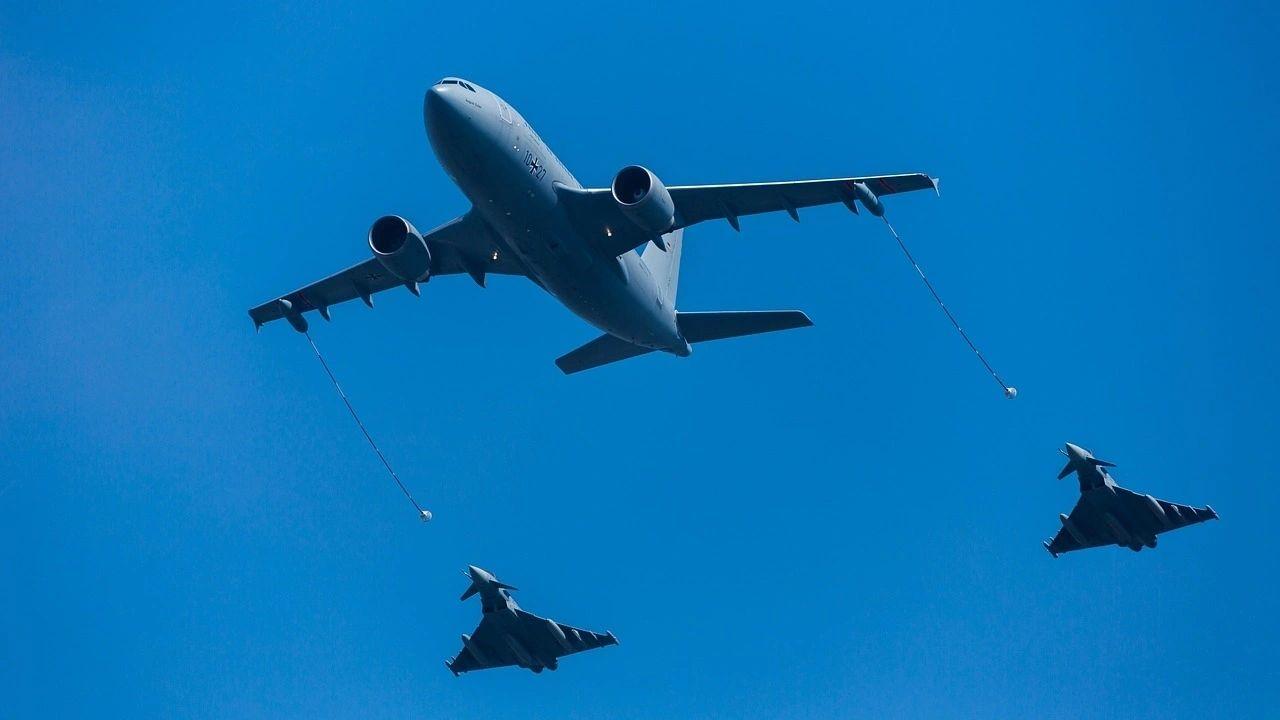
Making European Champions: The Role of M&A in Defence Industry Consolidation
Michela Miglio
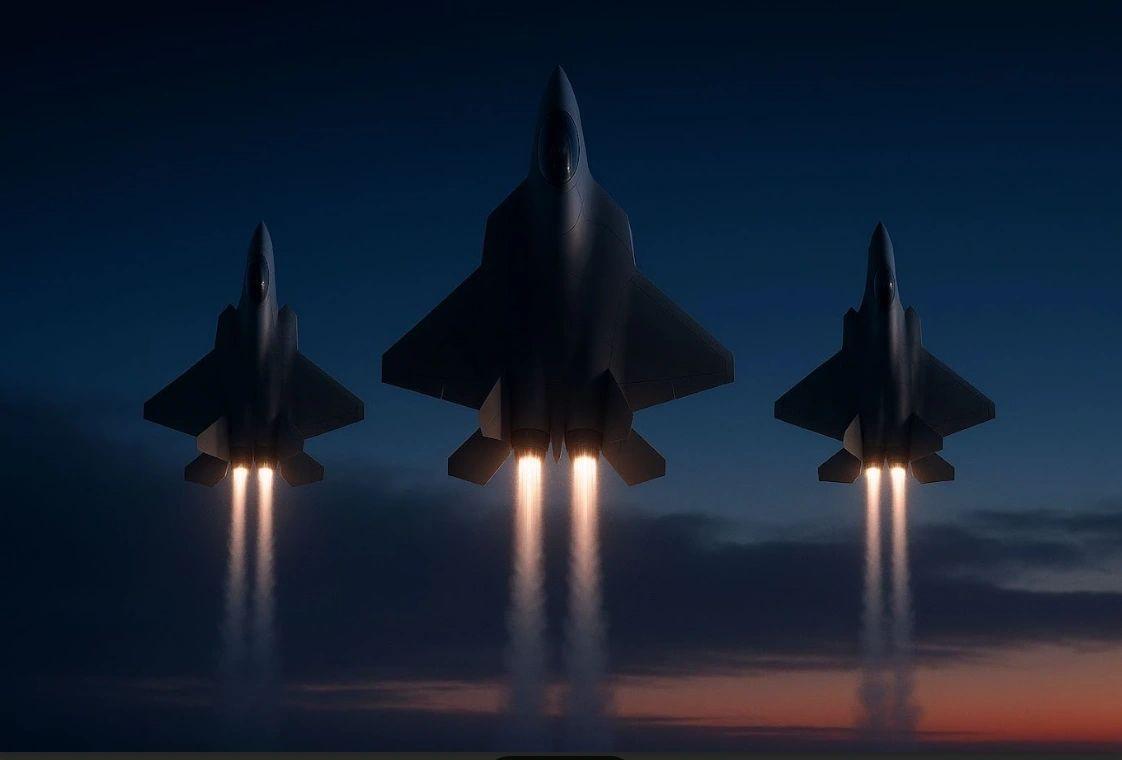
The next generation of air supremacy
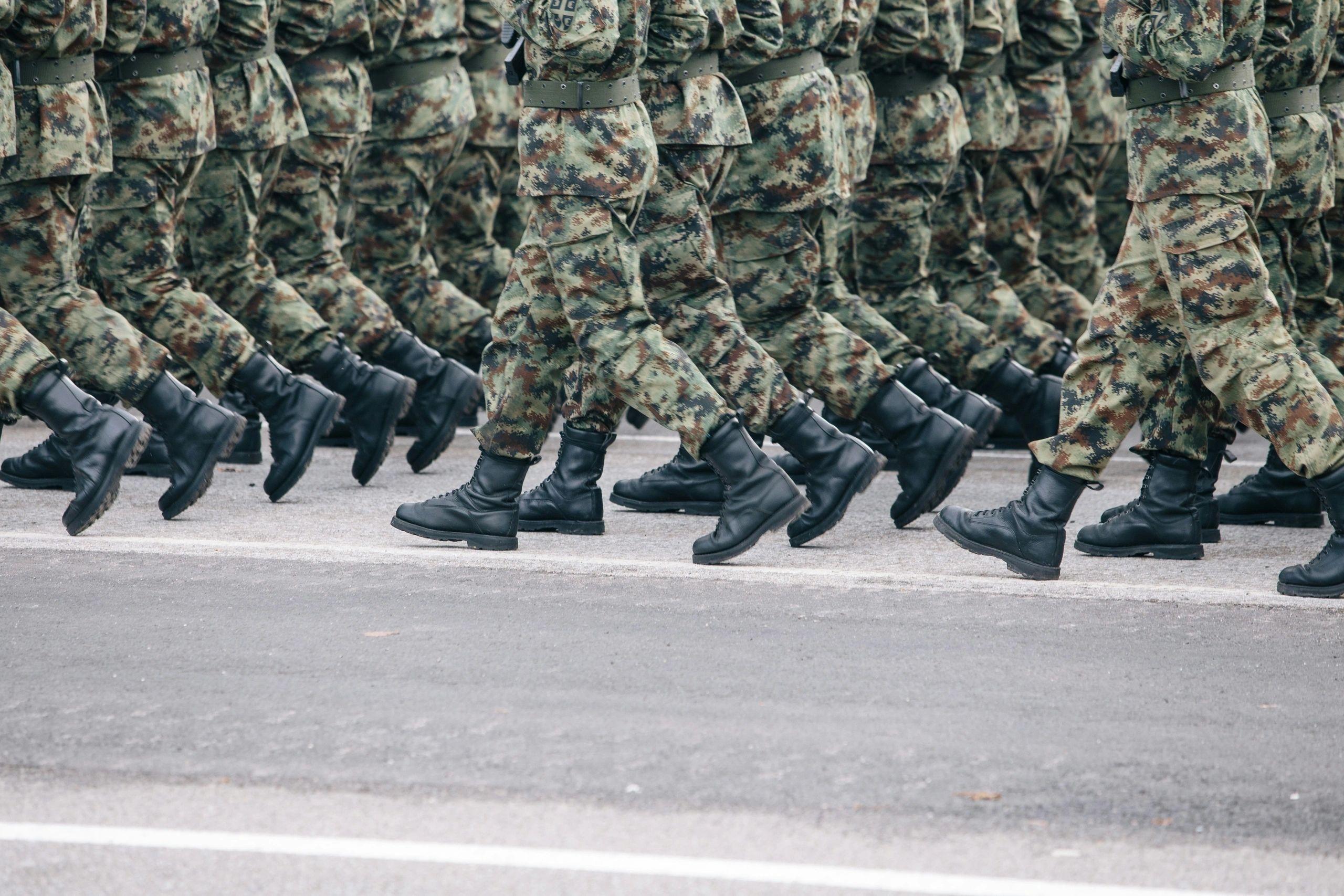
Military Conscription in the EU as an Answer to New Age Insecurity? An Overview
By Damir Hasanović

Insurance Constraints in the Space Sector
An Overview of the European Union’s October Roadmap: A Step Towards ‘Defence Readiness’
Natalya Hoare
An Overview of European Union’s Oct. Roadmap: "Defense Readiness"
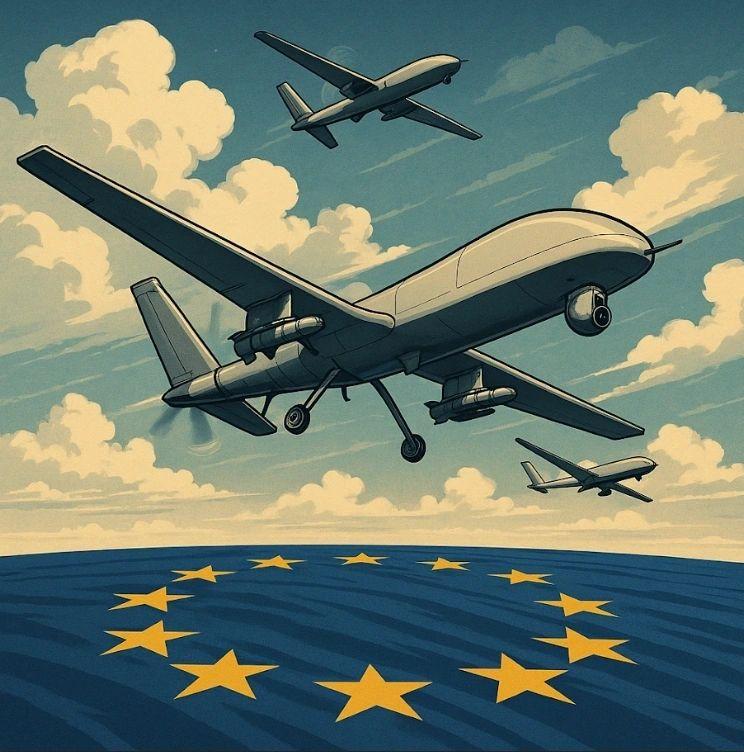
Industrial Alliances and the Future of European Airpower: Lessons from a Turkish-Italian Venture
Introduction

Quantum-Safe Cryptography: Securing Europe’s Space Communications in the Quantum Era
Aleksandra Grbović Bitić

European Space Deployment Capabilities
Adam Hermann

The European Dual-use Dilemma - Analysis and Considerations
Red Lines in the Grey Zone: Europe’s Airspace Under Pressure
The Security of Space Debris
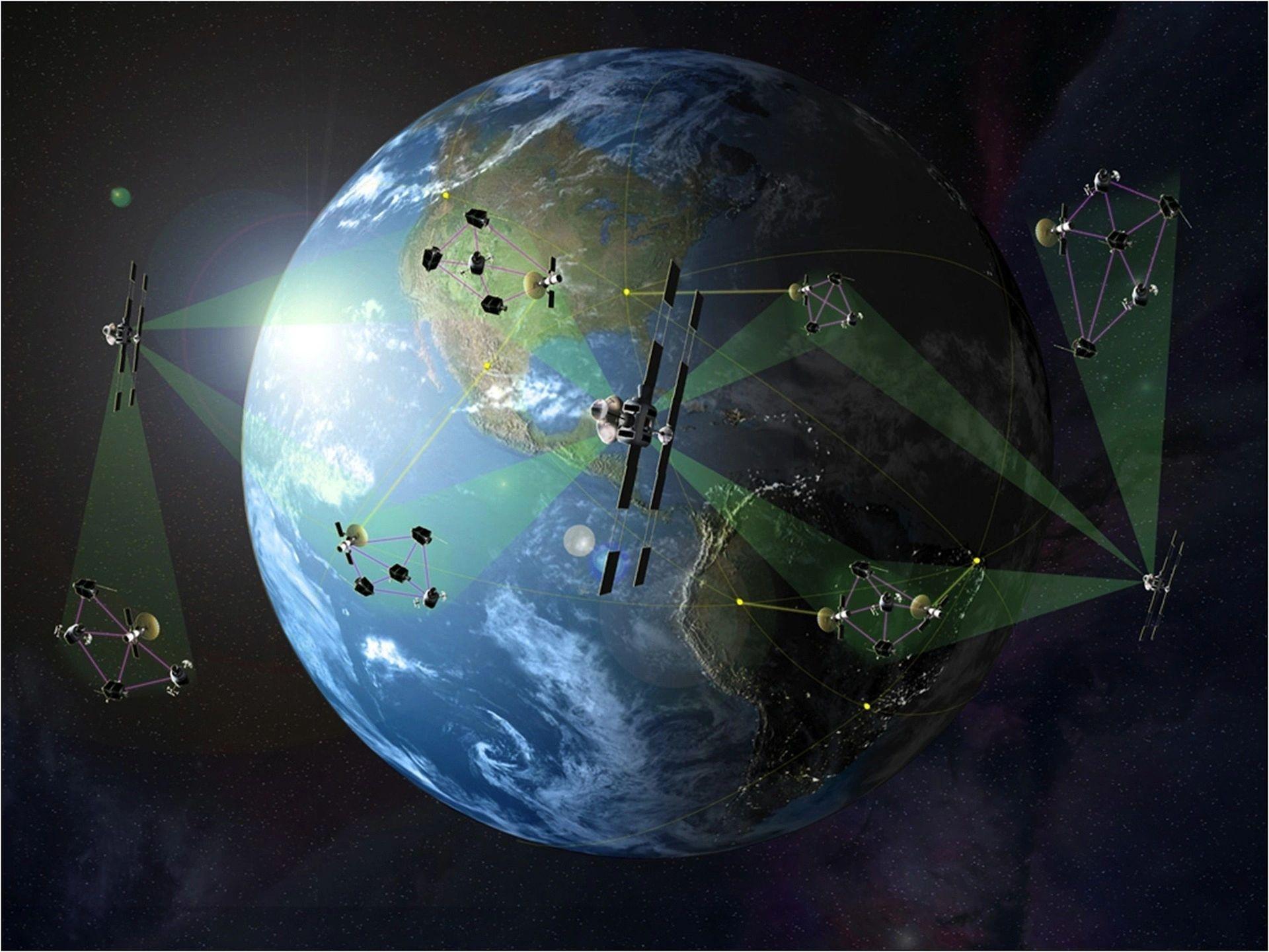
The Supply Chain Vulnerability in EU Space Infrastructure
Challenges to Cybersecurity and Strategic Autonomy
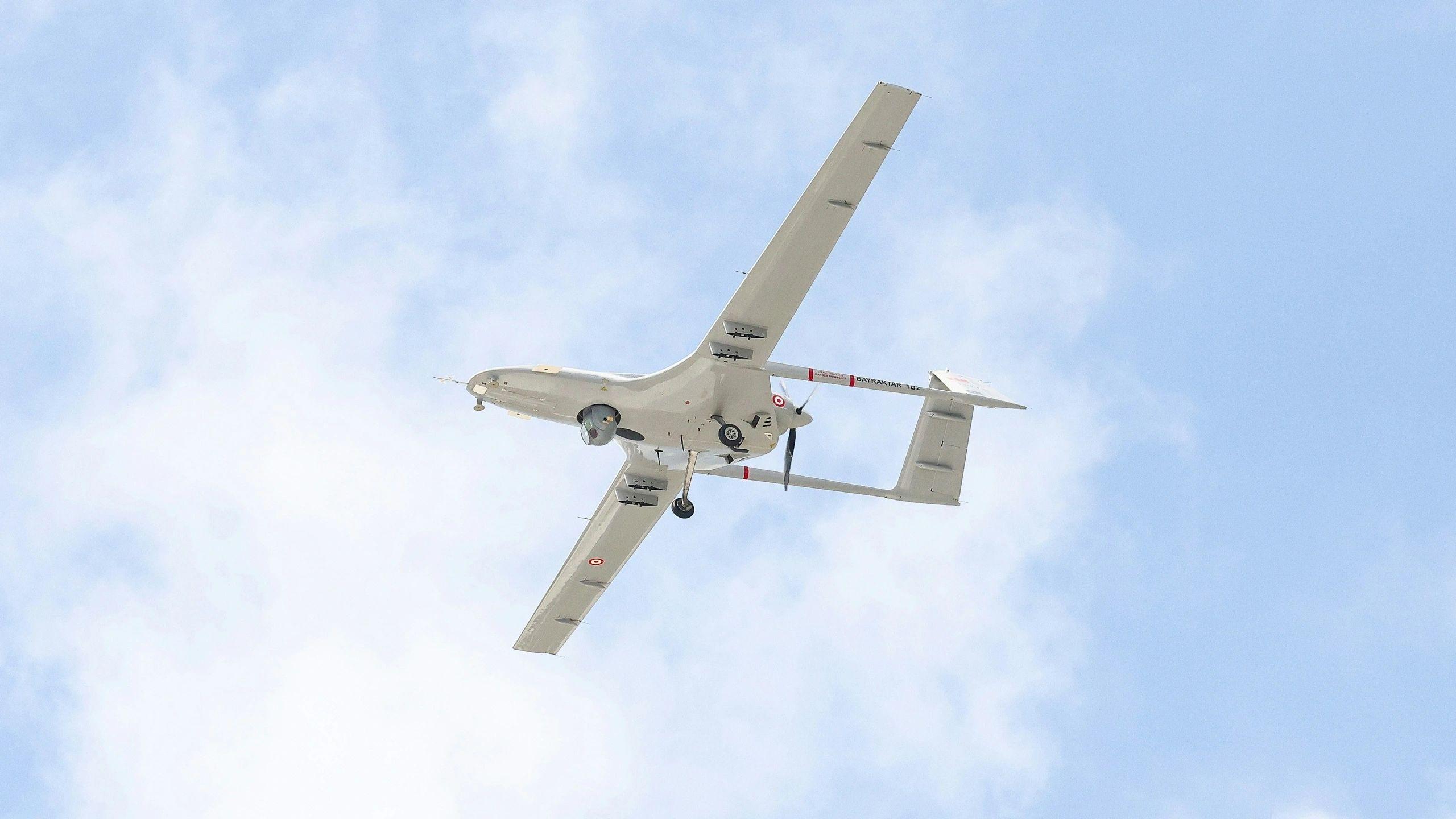
UAVmania: The Current State of Drone Warfare

The State of Civil Defence. The EU & The Danish Example
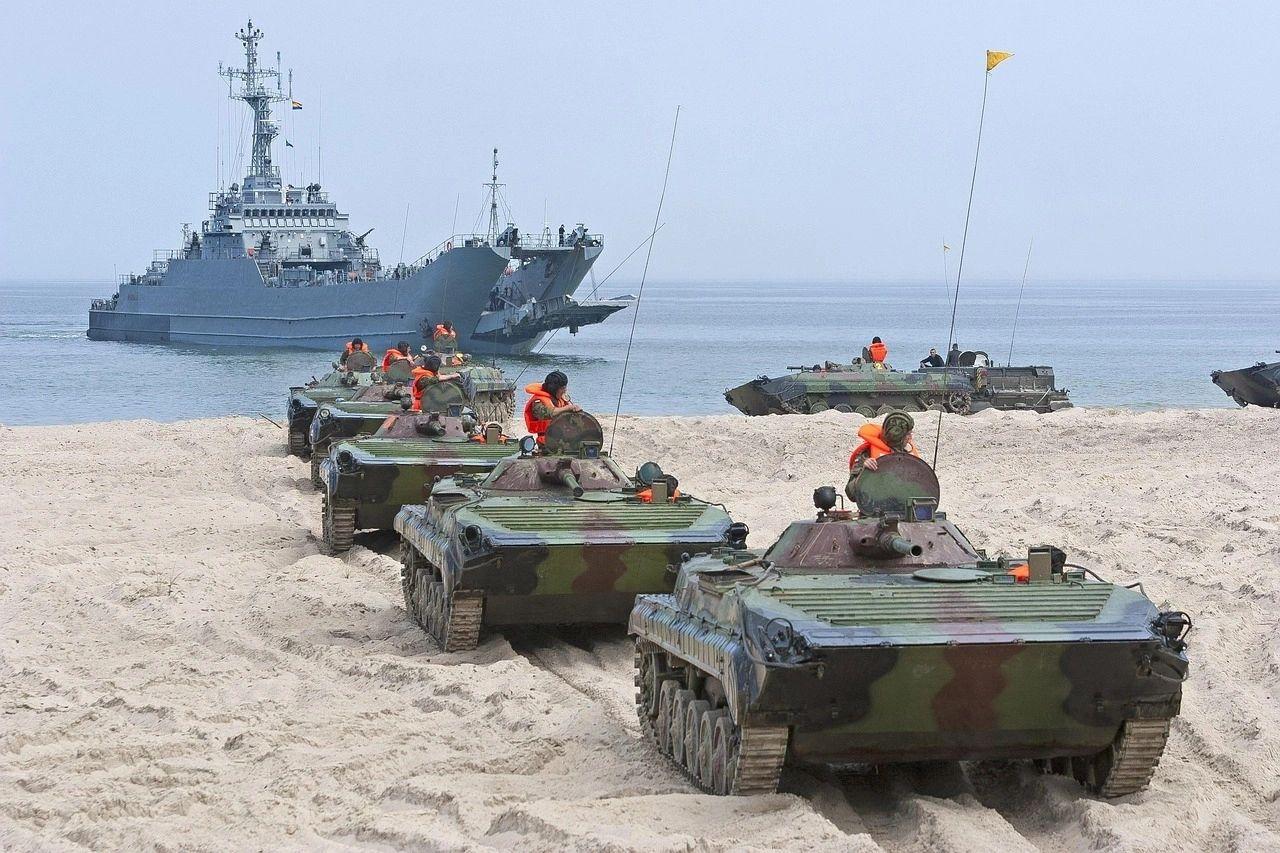
Europe´s Strategic Autonomy in a Post-Atlantic World: Defence Procurement as the Test of Sovereignty
Strategic autonomy in the post-Atlantic moment

Progression thanks to the Space Economy?
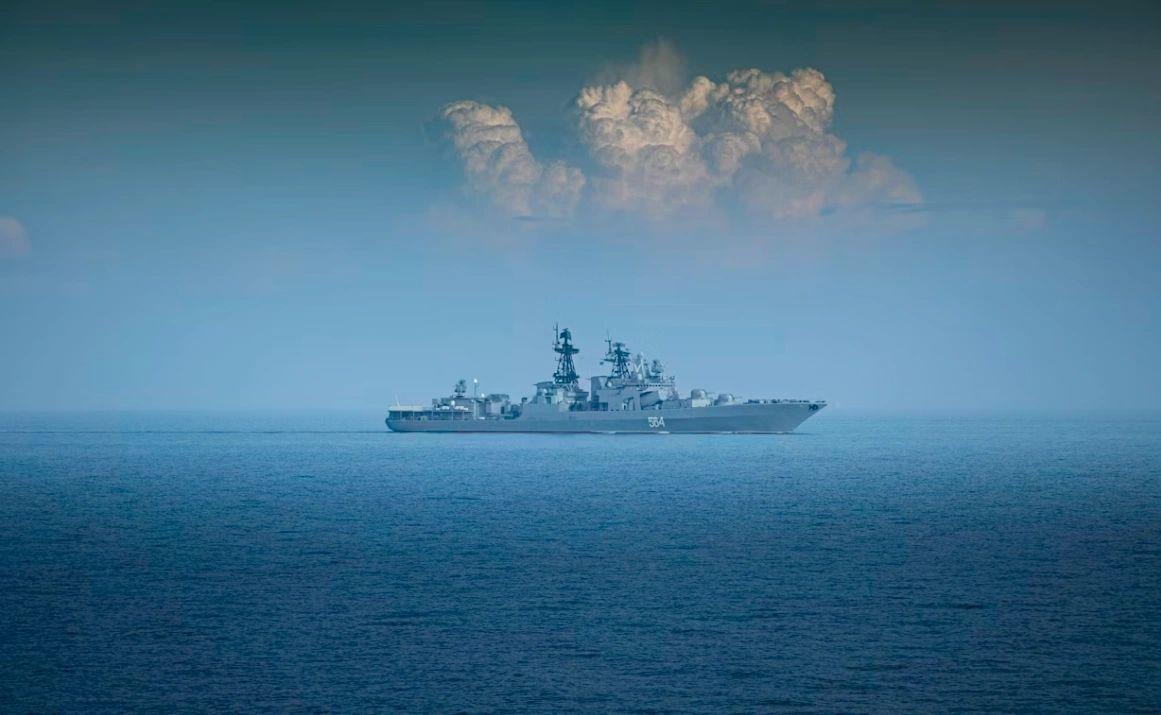
THE EUROPEAN NAVAL VESSELS MARKET - MAIN STRUCTURE, PRINCIPAL ACTORS, AND FUTURE DEVELOPMENTS:
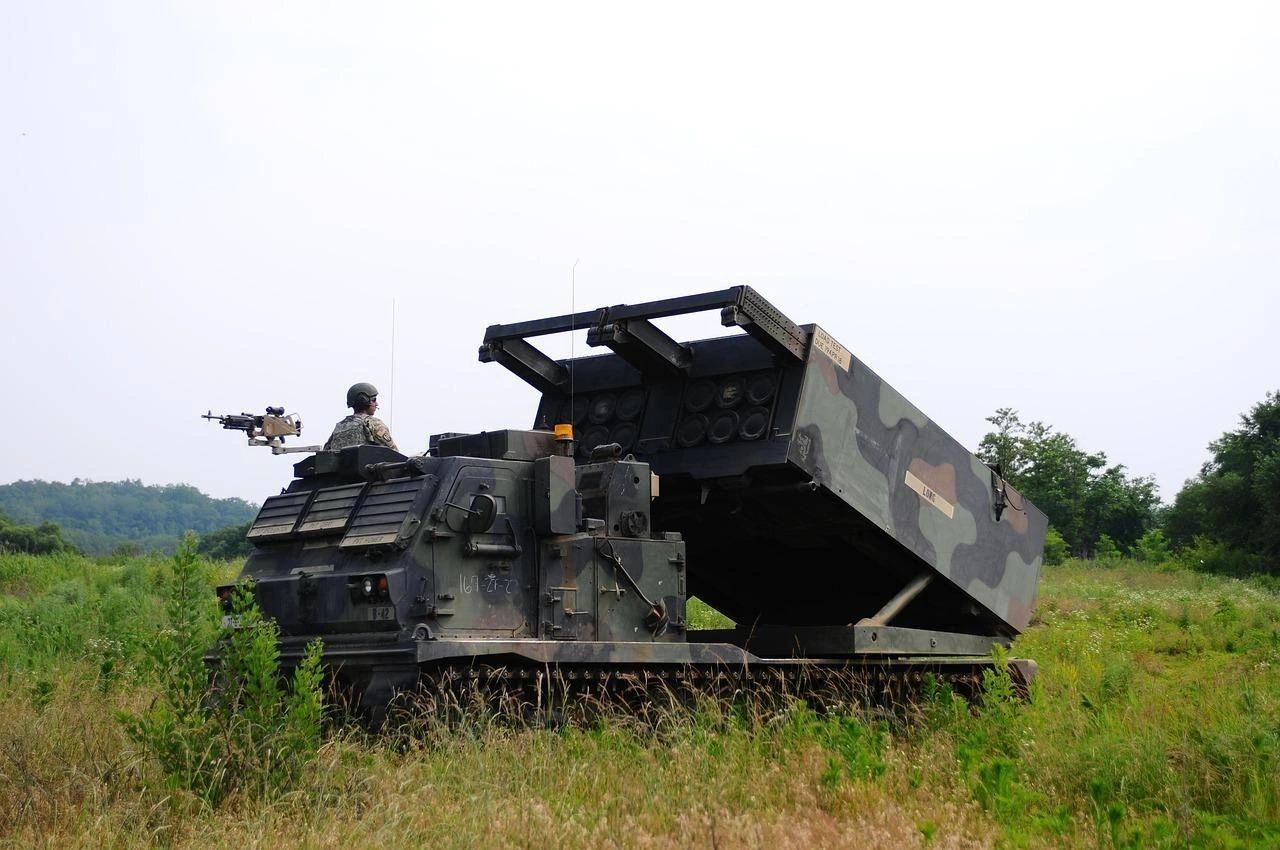
The Ground Defence Market: Fighting US Domination