
An Overview of the European Union’s October Roadmap: A Step Towards ‘Defence Readiness’
Natalya Hoare
13 min read · 2,563 words
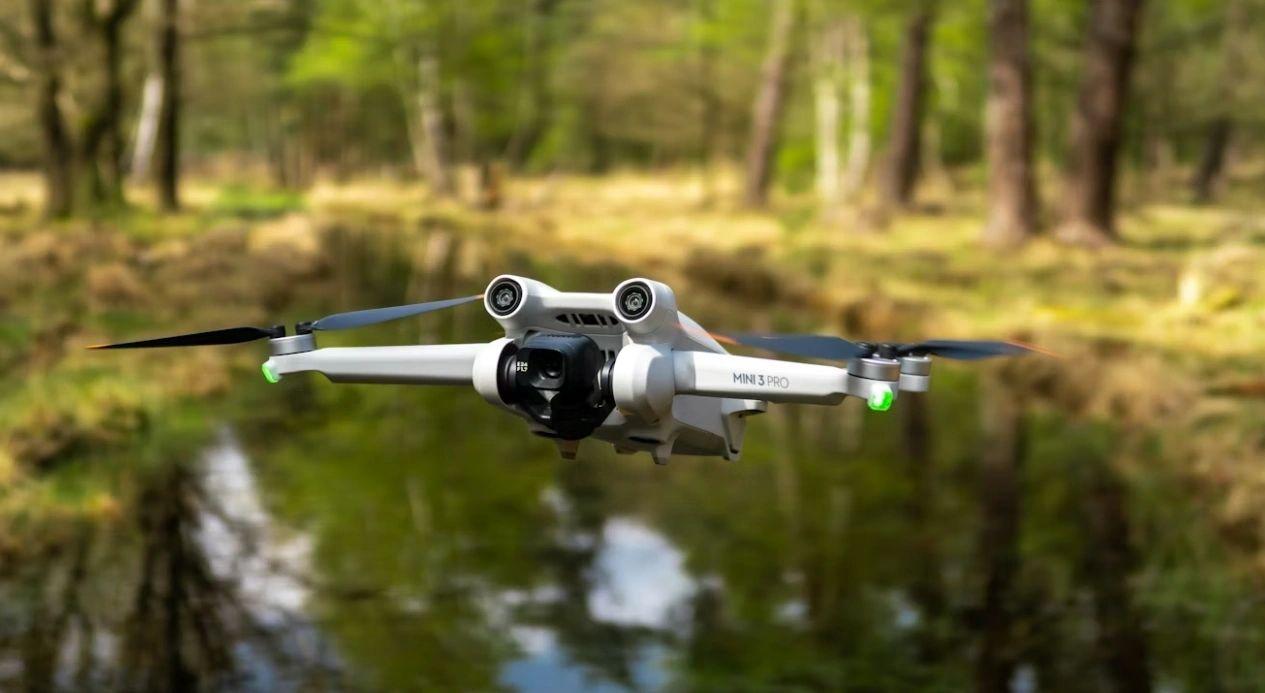
On the 9-10th September 2025, around 20 Russian drones entered Polish airspace, on the 13th September a drone flew into Romanian territory, on the 7th September Estonia reported a Russian Mi-8 helicopter violating its airspace over the Baltic sea and approximately one year ago, a Russian drone crashed in Latvia, having entered from Belarus (Foreign, Commonwealth and Development Office & Holland, 2025). These incidents undoubtedly demonstrate that in the last two months Europe has reached a critical level of security threat. In response, the European Commission has produced a range of defence initiatives all under The Defence Readiness Roadmap 2030. This article aims to give an informative overview of the roadmap’s plans and the individual details of each project accompanied by a brief concluding evaluation of the main challenges the commission faces.
Security Action for Europe (SAFE):
Initially however, consideration must be given to the dominant pre-existing EU defence structure SAFE which precedes the recent drone incursions and continues to direct much of the EU’s financial support for the defence sector.
SAFE was adopted by the EU council on the 27th of May 2025 and serves as the EU’s main financial instrument striving to provide financial support to member states in order to help them speed up defence readiness. It aims to close critical capability gaps and allow urgent and major investments to support the European defence industry (European Commission, 2025). The initiative was established in the recognition that the EU needs to rapidly increase its defence spending and boost domestic production as the war in Ukraine has exposed the shortfalls and dependencies of the European defence industry. Added pressure on this issue comes from Donald Trump’s presidency which has cast doubt over the US’s long term military support in Europe (Tidey, 2025).
SAFE was set up to provide up to 150 billion Euros in long-maturity loans to member states that request financial assistance for investments in defence capabilities. In order to reduce fragmentation, the initiative bases its projects on common procurement (although support procurements by individual member states was initially temporarily allowed in accordance with the geopolitical landscape) (European Commission, 2025).
The initiative supports defence product procurement in two categories. The first includes ammunition and missiles, artillery systems, ground combat capabilities including soldier equipment and infantry weapons, small drones (NATO class 1) and anti-drone systems, critical infrastructure protection, cyber, and military mobility. The second category includes air and missile defence systems, maritime surface and underwater capabilities, other drone types (NATO class 2 and 3) and their related anti-drone systems, strategic enablers such as strategic air lift, air-to-air refuelling and C4ISTAR systems, space assist protection, and AI and electronic warfare (European Commission, 2025). These two categories demonstrate the far-reaching nature of the scheme, covering procurement for all fields of the European defence market.
Moreover, in order to qualify for EU funds through SAFE, it was agreed that a minimum of 65% of the value of the weapon system being acquired has to be made in an EU member state, Ukraine, or in a European Economic Area (EEA)/ European Free Trade Association (EFTA) country (Tidey, 2025). This demonstrates the project’s determination to avoid contribution to European defence dependency on other countries and markets globally, especially the US.
While only EU member states can obtain SAFE loans, countries that have signed Security and Defence Partnerships with the EU including (but not limited to) Albania, Canada, Japan, Norway, South Korea, and the UK can participate in common procurement. EU acceding, candidate and potential candidate countries can also participate. These policies have meant that, crucially, Ukraine was immediately able to participate on equal terms with EU member states (European Commission, 2025).
The Defence Readiness Roadmap 2030:
Five months later, on the 16th October 2025, the European Commission published its Readiness Roadmap 2030 setting out the EU’s objectives in achieving defence readiness by 2030. It specifically outlines four flagship projects: the Eastern Flank Watch, the European Drone Defence Initiative, the European Air Shield, and the European Space Shield. These initiatives will be led by member states, determining the objectives, governance and funding allocations whilst the commission facilitates coordination and offers technical assistance as well as ensuring coherence across EU instruments and funding mechanisms. The High Representative will ensure alignment with any agreed EU capability priorities and cooperation with NATO’s defence plans. Overall, coordination frameworks aim to be agreed upon by the spring of 2026 (Clapp, 2025) and there is an overriding aim for 40% of defence acquisitions to be joint by the end of 2027, which is over double the current rate (Brzozowski, 2025).
The roadmap defines ‘defence readiness’ as ensuring that the armed forces of member states can ‘anticipate, prepare for and be able to respond to any defence related crisis including high intensity warfare’ and requires these forces to be both well-resourced and well-equipped (“Joint Communication”, 2025). These demands therefore implicate both the member states and the European defence and technology industry base for the distribution and manufacturing of these resources.
The roadmap acknowledges that European defence is currently, and long has been, extremely fragmented as it is ‘overwhelmingly national’ leading to a lack of defence cooperation capabilities. The agreement points out that in 2007, to combat this fragmentation, member states agreed to dedicate 35% of their defence investment to ‘collaborative procurement’ yet in 2025 it remains below 20%. The initiative’s key aim is therefore to increase cooperation between states to lower costs (by diminishing competition between nations), increase European defence industry capacity and therefore increase Europe’s capabilities to combat the threats of modern warfare (“Joint Communication”, 2025).
The Eastern Flank Watch:
The recent violations of various European airspaces by Russian drones prompted The Eastern Flank Watch Initiative and the European Drone Defence Initiative as it has become clear that increased security on Europe’s Eastern border is urgent. The Eastern Flank Watch aims to integrate a number of defence systems to protect Europe’s Eastern borders as they are under the most imminent threat from Russian aggression. This includes air defence and counter-drone systems, ground defence systems, maritime security in the Baltic and Black Seas and systems employed for increased situational awareness as well as internal improvements to security and national border control operations (“Joint Communication”, 2025). The project aims to align itself and cooperate with the already existing EU Black Sea Maritime Security Hub, NATO’s command structures and Operation Eastern Sentry, Baltic Air Policing and the Forward Presence forces (“Joint Communication”, 2025).
The roadmap proposes the establishment of a ‘comprehensive European border defence capability’ enabled by multi-domain surveillance systems, drone and counter-drone capabilities, electronic warfare capabilities and precision strike systems all in cooperation with NATO and other regional initiatives. An Eastern Flank Watch would ideally be developed in all member states on the EU’s Eastern border, including the land and sea border with Russia and Belarus to ensure maximum effectiveness against Russian violations (“Joint Communication”, 2025).
The European Drone Defence Initiative:
Only hours after around 20 Russian drones entered Polish airspace in September, the President of the European Commission Ursula von der Leyen announced that Europe needed to build a “drone wall” to protect its eastern flank (Gray et al., 2025). That month there were also drone incursions over airports in Denmark and Germany which further reinforced European Leaders’ support for von der Leyen’s suggestion (Gray et al., 2025). Soon after the proposal, the EUCO released the European Drone Initiative as an official flagship adding detail and milestones to the “drone wall” concept.
It was also observed that almost immediately after the “Drone Wall” concept was projected, many defence and tech companies raised their heads, swiftly embracing the idea. Before the publishing of the 2030 Roadmap, Germany’s Alpine Eagle and Quantum Systems drew up their own blueprints on how layers of ground and air-based systems would work whilst Rheinmetall, one of the largest European defence suppliers identified that a major challenge would be detecting small drones and defending against swarm attacks which have become prevalent in Ukraine (Gray et al., 2025). This enthusiasm reiterates that through these initiatives, the European commission aims to increase cooperation between not only member states, but also key players in the European defence industry who will need to be relied upon for the completion of the roadmap’s objectives in their production of essential defence products.
The 2030 Roadmap lays out that The European Drone Defensive Initiative aims to specifically increase European security against drone attacks and acknowledges that whilst the Eastern Border faces the greatest threat from Russia and Belarus, these threats can reach any member states as has become evident in the recent incidents in Germany and Denmark (“Joint Communication”, 2025).
The roadmap therefore describes the flagship as having a 360 degree approach. It is also multi-layered and designed as a ‘technologically advanced system with interoperable counter-drone capabilities for detection, tracking and neutralisation’ whilst also ensuring capabilities to hit ground targets by using drone technology for precision strikes (“Joint Communication”, 2025). The system would be fully interoperable, connecting member states and working cohesively with NATO.
The commission also comments that anti-drone capabilities should learn from Ukraine about conducting and prioritising continuous military technology innovation which is essential to keep up to date with the rapid developments in drone technology, as Ukraine has experienced first-hand (“Joint Communication”, 2025). It should also be acknowledged that the initiative will be adaptable for both civilian and military dual purposes and will be prepared to deal with non-defence related threats faced by all EU borders such as border protection, weaponization of migration, protection of infrastructure and combatting transnational organized crime (“Joint Communication”, 2025).
These Anti-drone capabilities are also framed as a core component within the Eastern Flank Watch flagship fortifying the EU’s Eastern borders.
The key milestones for both the European Drone Defence Initiative and the Eastern Flank Watch initiative include:
The EUCO will endorse both flagships by the end of 2025.
They will be launched in the first quarter of 2026.
The European Drone Defence Initiative will be fully functional by the end of 2027.
The Eastern Flank Watch will be functional by the end of 2028.
(“Joint Communication”, 2025).
The European Air Shield:
The 2030 Roadmap also sets out that The European Air Shield Flagship will protect national airspaces by using EU programmes to support member states in achieving an integrated and multi-layered missile defence shield. This will include introducing sensors that protect against the full varieties of air threats and the shield will be fully interoperable with NATO’s Command and Control system. It will therefore also help European NATO allies achieve their NATO targets, something that has received increased pressure from the United States under Donald Trump’s term (“Joint Communication”, 2025).
The flagship’s key milestones:
It will be endorsed as a priority by the EUCO by the end of 2025.
It will be launched by the second quarter of 2026.
The European Defence Fund (EDF) and the European Defence Industry Programme (EDIP) are to prioritize air and missile defence related actions by the end of 2026.
(“Joint Communication”, 2025)
The European Space Shield:
Finally, the roadmap lays out that The European Space Shield is an essential project designed to ensure the ‘protection and resilience of space assets and services’ against increasing threats (“Joint Communication”, 2025). It aims to achieve defence readiness by 2030 by building on national and commercial space assets with the support of the EU space systems. It will complement the already established dual space capabilities of the EU including services that benefit EU member states in this field. For example, the Galileo Public Regulated Service which assists in positioning, navigation and timing, the Earth Observation Governmental Service assisting with geospatial intelligence and the IRIS assisting with secure communications. The space shield, alongside these services, will continue to incentivize member states to collaboratively develop their national capabilities and the projects will foster interoperable space defence with a particular focus on space domain awareness, countering jamming and improving in-space operations and services where Europe has shortfalls and clear dependencies (“Joint Communication”, 2025).
The key milestones of The European Space Shield:
EUCO to endorse it as a priority flagship by the end of 2025.
The European Space Shield is to be launched by the second quarter of 2026.
(“Joint Communication”, 2025)
Concluding Evaluation:
Unfortunately, the ambitious projects above all ultimately remain subject to the continuous power struggle in Europe over who should control major defence projects as several nations, particularly France and Germany, remain cautious of handing over full authority to the European Commission (Gray et al., 2025). This is a great concern as all of these initiatives require extensive support from European national governments to ensure sufficient funding (Gray et al., 2025).
The Drone and Eastern Flank Watch initiatives in particular have divided member states as frontline countries such as Poland, Finland, and the Baltic nations see them as urgent whilst countries further from the Eastern border such as France, Germany, Italy and Greece have questioned the cost, technical feasibility and the risk of Brussels encroaching on defence sovereignty. The main areas of debate appear to be around funding, scope and branding (Clapp, 2025) as countries further from the Eastern border see drone strikes as less of a threat.
Additionally, with the vast number of EU defence initiatives (this article only covers the key projects from recent months) coupled with initiatives from NATO such as projects Eastern Sentry and Baltic Sentry, it is no surprise that defence officials across Europe have admitted that coordination will be the real test, not only between nation states but also in balancing the authority of the EU Commission with that of NATO. The Kyiv Independent reported that many NATO officials share the view that ‘the EU can pay, but defence remains NATO’s job’ (Brzozowski, 2025) highlighting the potential friction between these two bodies.
Therefore, although the Defence Readiness Roadmap 2030 and its initiatives display a promising increase in urgency towards fostering cohesive European defence, it is clear that the commission has much further to go to ensure these initiatives stand the test of time and deliver on their ambitious objectives. Persuading all member states to offer the required support remains a real challenge despite the increasingly volatile geopolitical environment due to the war in Ukraine and ongoing conflict in the Middle East. National sovereignty is still a fundamental challenge even in such a critical period of threat to European security.
Bibliography:
Brzozowski, A. (2025, October 16). Don’t call it “drone wall” — how Europe wrangles over proposals to protect its skies. The Kyiv Independent. https://kyivindependent.com/dont-call-it-drone-wall-how-europe-wrangles-over-proposals-to-protect-its-skies/
Clapp, S. (2025, October 21). Eastern Flank Watch and European Drone Wall. Europa.eu; European Parliament Think Tank. https://www.europarl.europa.eu/thinktank/en/document/EPRS_ATA(2025)777962
Joint Communication to the European Parliament, The European Council and the Council: Preserving Peace - Defence Readiness Roadmap 2030, (2025, October 16). https://defence-industry-space.ec.europa.eu/document/download/9db42c04-15c2-42e1-8364-60afb0073e68_en?filename=Joint-Communication%20_Defence-Readiness-Roadmap-2030.pdf. Accessed through European Commission official website: https://defence-industry-space.ec.europa.eu/eu-defence-industry/readiness-roadmap-2030_en.
European Commission. (2025). SAFE | Security Action for Europe. Defence Industry and Space. https://defence-industry-space.ec.europa.eu/eu-defence-industry/safe-security-action-europe_en
Foreign, Commonwealth and Development Office , & Holland, N. (2025, September 18). UK condemns Russian violations of NATO airspace and confirms support for Poland, Romania and Ukraine: UK Statement to the OSCE. GOV.UK. https://www.gov.uk/government/speeches/uk-condemns-russian-violations-of-nato-airspace-and-confirms-support-for-poland-romania-and-ukraine-uk-statement-to-the-osce
Gray, A., Mukherjee, S., & Hunder, M. (2025, October 15). EU scramble for anti-Russia “drone wall” hits political, technical hurdles. Reuters. https://www.reuters.com/business/aerospace-defense/eu-scramble-anti-russia-drone-wall-hits-political-technical-hurdles-2025-10-15/
Tidey, A. (2025, May 21). Everything you need to know about the EU’s €150bn defence instrument. Euronews; euronews.com. https://www.euronews.com/my-europe/2025/05/21/everything-you-need-to-know-about-safe-the-eus-150bn-defence-instrument