
The EU Grid Package: Grids for the Energy Transition
8 min read · 1,567 words
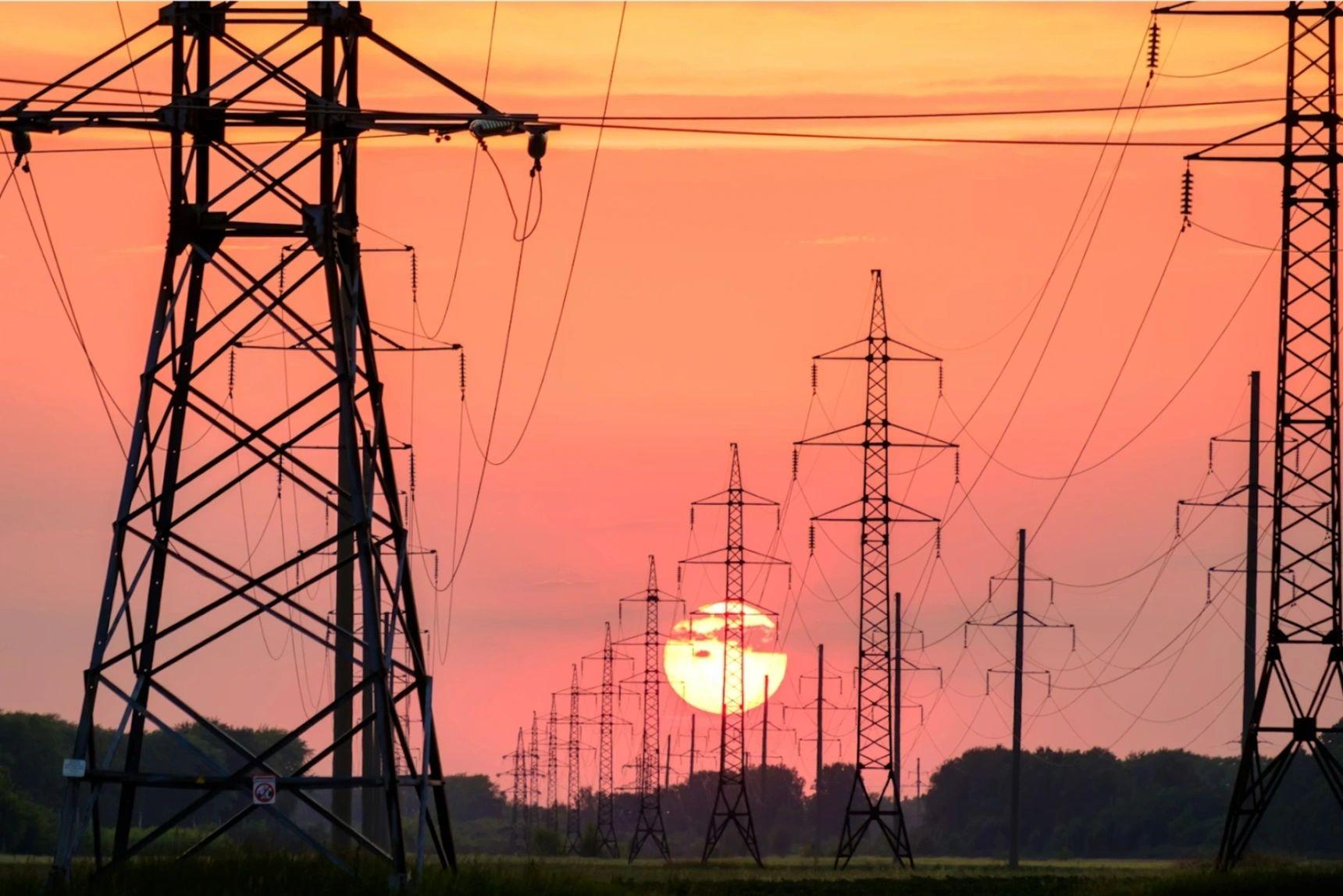
Across various energy sector incumbents, one message echoes loudly: that grid capacity is the bottleneck in realizing the energy transition. With solar and wind cementing their place as the most cost-competitive electricity generation technologies, coupled with falling lithium-ion battery prices as a result of large-scale adoption, it has never been more crucial to focus on improving grid infrastructure.
Recent events have reignited the conversation around the need for energy security and independence. Consequently, rapid electrification is no longer a matter of choice but of necessity, and facilitating it mandates a resilient grid. Much of Europe's electricity infrastructure was built between the 1950s and the 1980s (Cremona, 2024) in an era of centralized, state-led electrification designed around large thermal and nuclear power stations feeding power in a single direction to consumers. That infrastructure has proven remarkably durable. So durable, in fact, that it has been largely taken for granted with investment practically flatlining since then (Menten, Osorio and Zachmann, 2025). Today, 40 percent of EU distribution grids are over forty years old (European Commission, 2023), with some lines being even 70 years old.
The initial system was never designed to handle two-way power flows, decentralized renewables, or the electrification of transport and heating. This reality has never been more apparent than during the Iberian blackout in April 2025, which only furthered the urgency with which grid investment is to be approached. A main intervention suggested after the blackout was to strengthen the power interconnections between the Iberian Peninsula and the rest of Europe, and in particular between Spain and France (such as the bay of Biscay and through the Pyrenees).The European Grids Package, presented by the Commission on 10 December 2025, is the EU's most ambitious attempt to address this deficit. What follows is an examination of its core provisions and whether they match the scale of the challenge.
Interconnected infrastructure cost distribution, security, permitting, and digitalization
The EU Grid Package is a necessary step toward aligning the energy systems of all EU Member States and streamlining related processes. Accelerated electrification and lower electricity costs remain central themes in energy discussions, particularly as Europe works to phase out its dependence on Russian gas and electricity. Since infrastructure costs are amortized over their lifetime, greater utilization increases the overall value derived from these assets. In this context, the Grid Package sets out improved approaches for making more efficient and effective use of existing infrastructure.
A modern, interconnected, and flexible energy infrastructure is crucial for the European energy system which is undergoing rapid change: increased electrification (especially with EV chargers in urban areas) and increased renewable and battery-based electricity integration into the system. Gaps and delays in current infrastructure is a main challenge facing the European grids. The current cross-border capacity is insufficient for future electricity needs and for the projected increased electrification plans, posing a threat to electrical supply security and making the grid fragile; where under the existing framework, project implementation is often slower and costly, especially when it comes to complex cost-sharing and permitting procedures.
Indeed, disproportionate costs and burdens for common infrastructure is one of the pains that countries with cross-border energy infrastructure suffer from. Consumers should have a fairer and more transparent access on how cross-border energy infrastructures’ benefits are assessed, especially when such infrastructure benefits more than the territories it is found in. On February 17th at 17:45 , the Danish region of DK2 experienced an exceptional price spike, due to many different reasons, though a main reason was reduced transmission capacities between Denmark, Sweden, and Poland, in addition to a planned maintenance on the German-Swedish interconnection which exacerbated the problem (Montel Analytics, 2026). The importance of increased interconnection and infrastructure of common interest, as streamlined financing and clearer cost distribution for common infrastructure, which the grid package dictates, is crucial for providing energy security and predictable, affordable energy.
Moreover, the recent cyber attack on the Polish grids should teach all member states a crucial lesson: the grid will be subject to increased cyber threats, and planning needs to consider security from disruptions, especially amid integration of digital systems.
This is why the grid package’s key objectives are to create a new infrastructure planning framework such that EU networks promote smart grids and are built to meet EU climate and energy goals. The latter should happen while promoting interoperability and collaboration between grid operators, such that interconnection is increased to have a more liquid electricity market, to ensure electricity supply security, and for better market mechanisms. By setting stricter deadlines to issue permits, streamlining administrative procedures, avoiding unnecessary hurdles, and making permitting more predictable and transparent, the EU grid package allows for short and simpler and simpler permitting procedures. Additionally, digitalizing permitting systems through centralized online application portals would allow easier data access for applicants while helping track approval and deadline.
First Ready, First Served
Another major pain that the grid has suffered from is the first come, first served, principle for grid connection requests. Before, centralized power plants were the main grid connectors, in addition to industrial consumers. With the onset of distributed energies, available grid capacity started decreasing in many European regions, and hence securing a grid connection became a crucial and complex issue. With grid-scale battery development becoming mainstream in the recent years, many companies/individuals speculatively bought available grid capacity, without having an actual viable project, or with the project not being mature. Unrealized projects with secured grid connections became a great bottleneck: driving prices higher, deferring investments to different regions or different sectors, and ultimately, not allowing developers with actual maturing projects with the proper background (technical, financial, land) from actually getting grid capacity. The landscape was increasingly having projects with secured grid connections with nothing to back it up, while other developers had everything ready, but not able to secure a grid connection. Hence, the concept of first ready, first served became crucial: it gives the grid capacity to the first entity that is ready to connect, under standardized rules. This would allow for actual projects to gain grid connection, and would thwart speculation and non-materializing projects to make way for actual projects that will have actual impact for the enhancement of the grid.
Two-way Contracts for Difference
Imagine you are the owner of a PV power plant with state subsidies: you get paid for whatever you produce and sell at a fixed rate. Now, with increased solar penetration, especially during peak production hours, supply is exceeding demand, resulting in negative prices: you pay for consumers to consume your produced energy. Now imagine you don’t have subsidies, what you would do when the prices are negative is usually to stop production (there are many other cases where you don’t, but a general rule is that you do), but if you are receiving state subsidies, whatever the market price is, you wouldn’t care since you will get the agreed amount regardless of the condition of the grid (with supply being greater than demand, grid congestion may happen, hence the producer not stopping production can exacerbate the grid condition and increase congestion). This is why the grid package introduces a guidance document on the design of two-way contracts for difference: long term contracts between a public authority and a clean energy producer such that there is an agreed upon “strike price”, that if the market price exceeds, then the producer pays back the excess, while if market prices are below the strike price, then the public entity pays the difference back to the producer, ensuring a stable revenue. As such, producers are incentivized to follow market incentives in a way that preserves market discipline and efficient dispatch.This can alleviate stress on the grid especially during peak production times, while also ensuring that increased renewable energy production can still seek sustainable funding methods that are not harmful to the grid.
Final Thoughts
Decades of underinvestment have left Europe with an electricity infrastructure that is structurally mismatched to the demands now being placed upon it. With 72 terawatt-hours of clean electricity curtailed in 2024 and 1,700 gigawatts of renewable projects stranded in connection queues (Aurora Energy Research, 2025), the gap between generation ambition and grid capacity is no longer theoretical.
The package's strength lies not only in the scale of investment it seeks to mobilize but also in its attempt to address the regulatory and institutional fragmentation that has long hindered grid development. However, whether the package proves effective will depend largely on implementation and remains to be seen.
References:
Aurora Energy Research (2025) Renewable curtailment in Europe 2024. Cited in: Clean Energy Wire (2025).
Clean Energy Wire (2025) 'Q&A: EU Grid Package – How Europe plans to bolster the energy transition's backbone', Clean Energy Wire, 10 December. Available at: (Accessed: 28 February 2026).
Cremona, E. (2024) 'Putting the mission in transmission: Grids for Europe's energy transition', Ember, 7 November. Available at:
European Commission (2023) EU Action Plan for Grids. COM/2023/757. Brussels: European Commission. Available at:
European Commission (2025) European Grids Package. 10 December. Brussels: European Commission. Available at:
European Parliament (2025) EU electricity grids. Briefing PE 772.854. Brussels: European Parliamentary Research Service. Available at:
Menten, G., Osorio, S. and Zachmann, G. (2025) 'Upgrading Europe's electricity grid is about more than just money', Bruegel Policy Brief, 20 January. Available at:
Montel Analytics (2026) DK2 price spike analysis, 17 February 2026. Montel Energy.