Commission
Economic Affairs
The Economic Affairs Commission brings together students who understand Europe’s economic future and want to play a part in shaping it, focusing on sustainable and stable growth. We conduct high-quality research and policy analysis on issues such as employment, productivity, public finances, trade policy, and the green transition, turning this work into clear, actionable recommendations for EU decision-makers.
What We Do
We are dedicated to produce nuanced well-researched policy analysis and proposals focused on a wide array of problems facing the EU. Our members conduct research on Free Trade agreements analysing the effects of shifting trade flows, the changing structure of employment networks and labor market and many other endogenous and exogenous economic issues the EU faces.
Meet the Commissioner

Ginevra Savarè is from Italy and currently in her third year of studies in International Politics and Government at Bocconi University. She is particularly interested in the future of liberal democracy and the role of young generations in shaping political change. For this reason, she is part of VOYCE, where she is engaged in research and policy analysis on European affairs and economics. She believes that rigorous economic analysis and political vision must go hand in hand. A strong and united Europe requires evidence-based policies, institutional responsibility, and the active engagement of the younger generation. Through her work, she aims to contribute to a more resilient, forward-looking, and democratic Europe.
Meet the Fellows
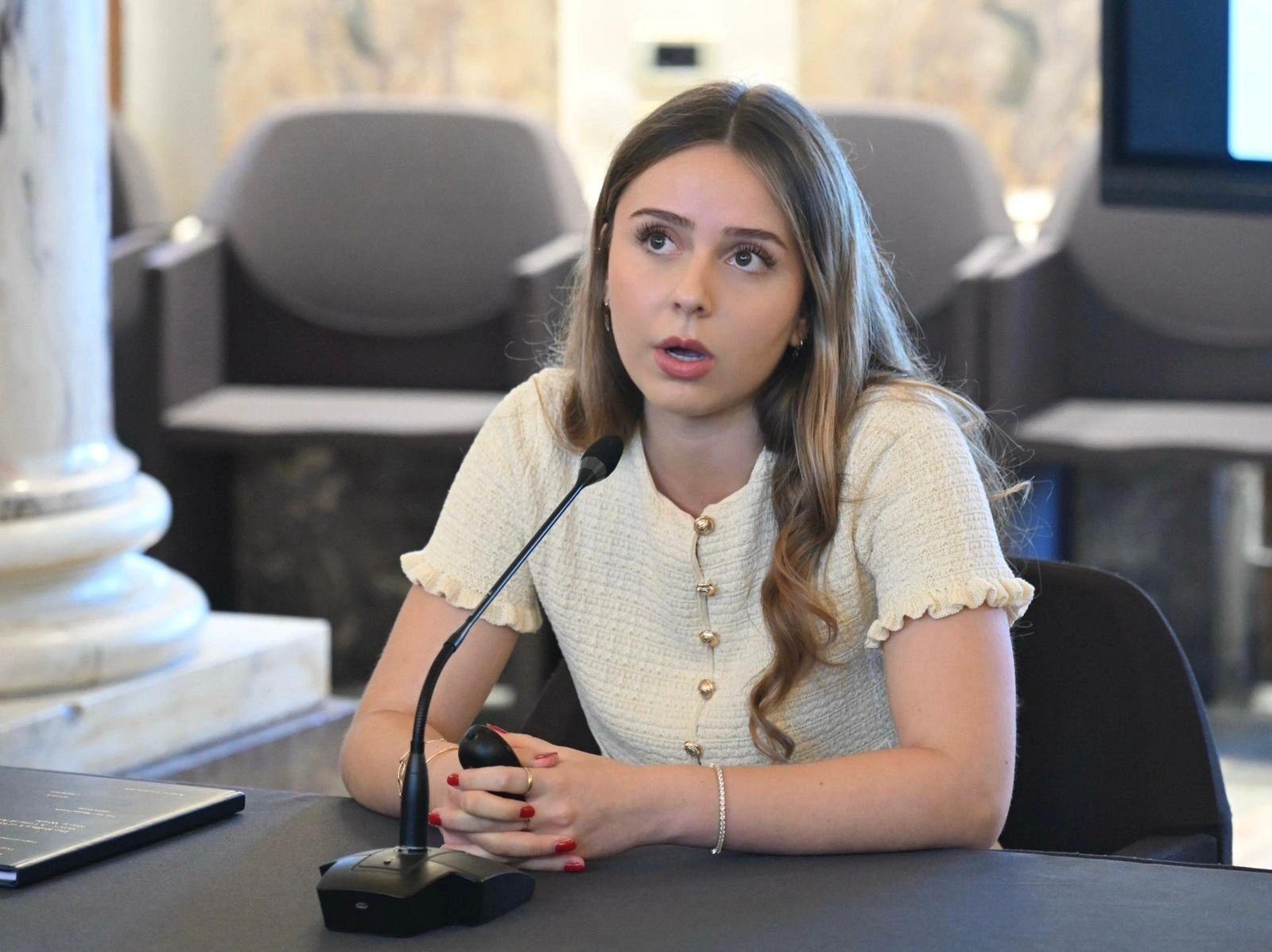
Margot Padilla is a French master’s graduate in International Relations from Luiss Guido Carli University in Rome. She has an academic background shaped by studies across Montpellier, Budapest, and Brussels, with a focus on diplomacy, European governance, and global economics. She has experience in communication and policy analysis, having worked at the United Nations and in public affairs. Her work focuses on analyzing the European Union’s external action from an economic perspective and understanding its role in global affairs.

Naveen is a researcher of political economics and development who studied economics at Bocconi University. He is currently researching structural inequality and the intergenerational transmission of poverty in the EU. He was formerly the President of Aleph Analisi Strategiche, Italy’s leading student think tank, and has publication experience on international relations and political economics, primarily in Asia.
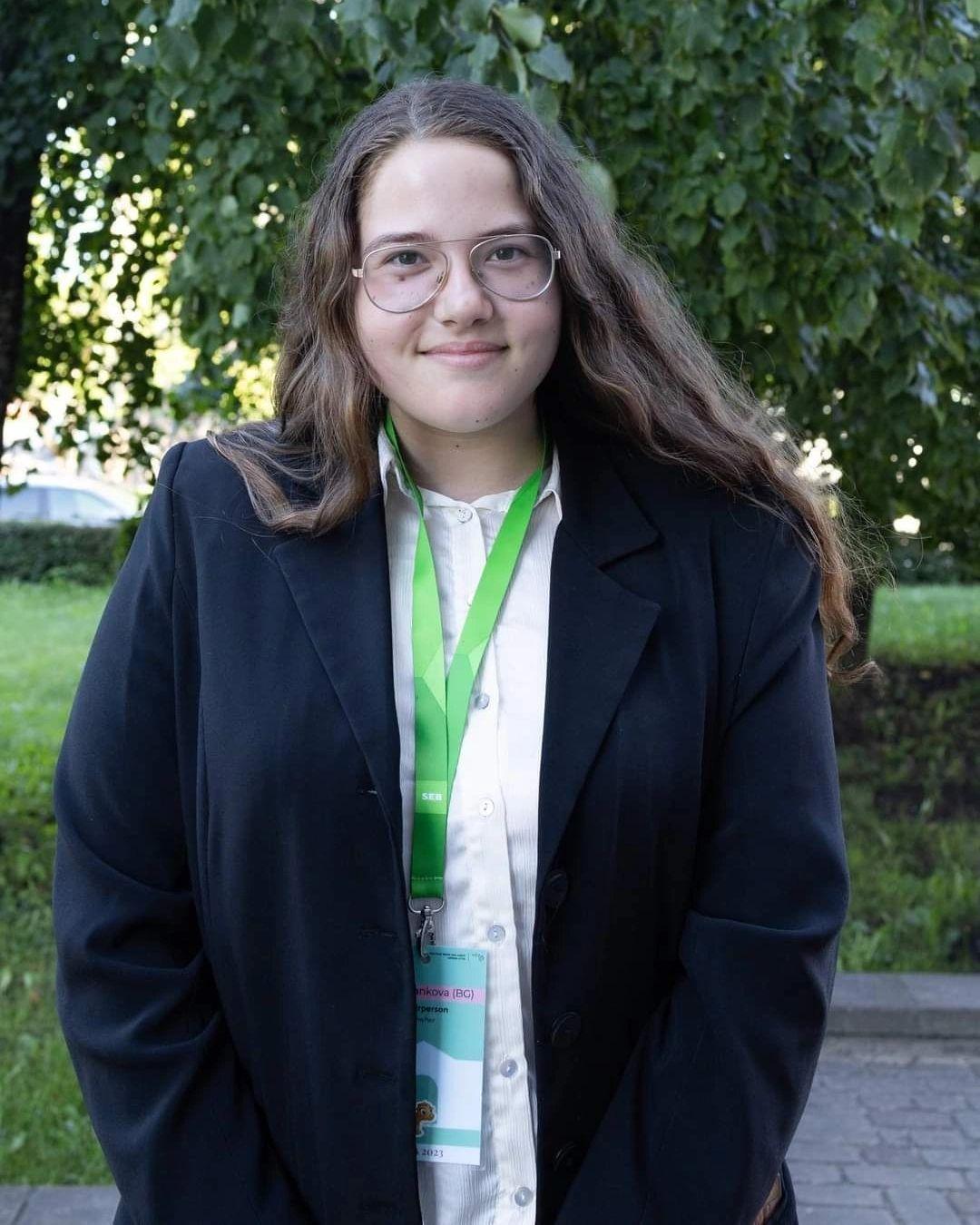
Maria Yankova is from Bulgaria and is currently pursuing a degree in Economics and Management at Bocconi University in Milan. She is particularly interested in the political dimensions of economics, focusing on how institutions, governance, and policy decisions shape economic outcomes. Her work explores the interplay between economic systems and political structures, with an emphasis on how decision-making influence economic growth and stability.

Maria Dimitrova
Maria Dimitrova is from Bulgaria and is currently pursuing a degree in International Economics and Finance at Bocconi University in Milan. She is particularly interested in behavioral economics, with a focus on how individuals react to policies and economic shocks. She also explores issues of inequality and differences of economic development within the European Union - how it arises and how it affects the mindsets of people.
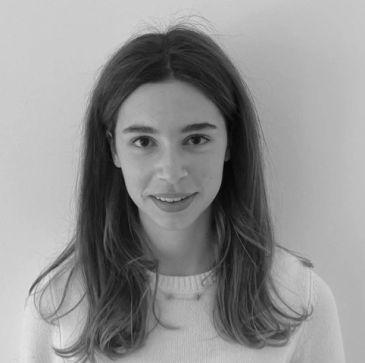
Angelica Bareggi
Angelica Bareggi is currently a second-year student in Economics and Social Sciences at Bocconi University. Her academic interests focus on the intersection of economic policy and long-term competitiveness, with particular attention to Europe’s capacity to strengthen its economic resilience in an evolving geopolitical landscape. She is especially interested in how policy and economics can be leveraged as tools to support sustainable growth, recognizing that many of Europe’s most pressing challenges, such as preserving its social model and financing the green and digital transitions, depend on the strength and adaptability of its economic base. Her work centers on understanding how productivity, innovation, and effective policy design can reinforce the European Union’s ability to remain competitive in an evolving global landscape.
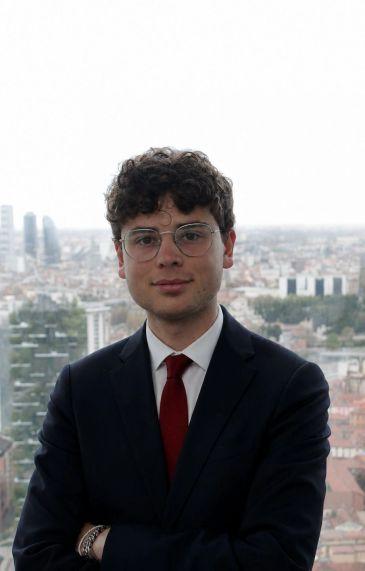
Riccardo Mencarelli
Riccardo Mencarelli is an Italian student pursuing a Bachelor’s degree in International Economics and Management at Bocconi University. He’s interested in understanding how institutions and policies can address social inequalities and expand opportunities across Europe. Alongside his studies, he has gained experience through youth education, volunteering, and other initiatives related to civic engagement.
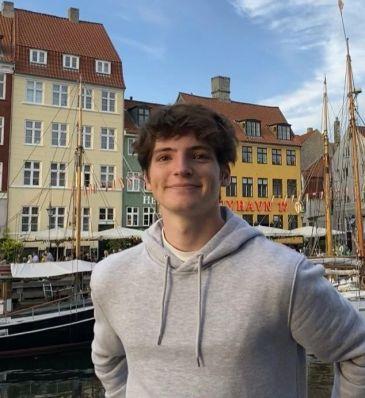
Francesco Sottero
Francesco Sottero is from Italy and is currently pursuing a degree in Economics and Computer Science at the University of Milan. During an exchange semester at Singapore Management University and his travels across Asia, he developed a deep interest in monetary policy and economic development. He is now focused on using his background in programming and data analytics to evaluate and analyze economic policies. To further develop his skills, Francesco will join the MSc in Economics and Social Sciences at Bocconi University beginning next year.
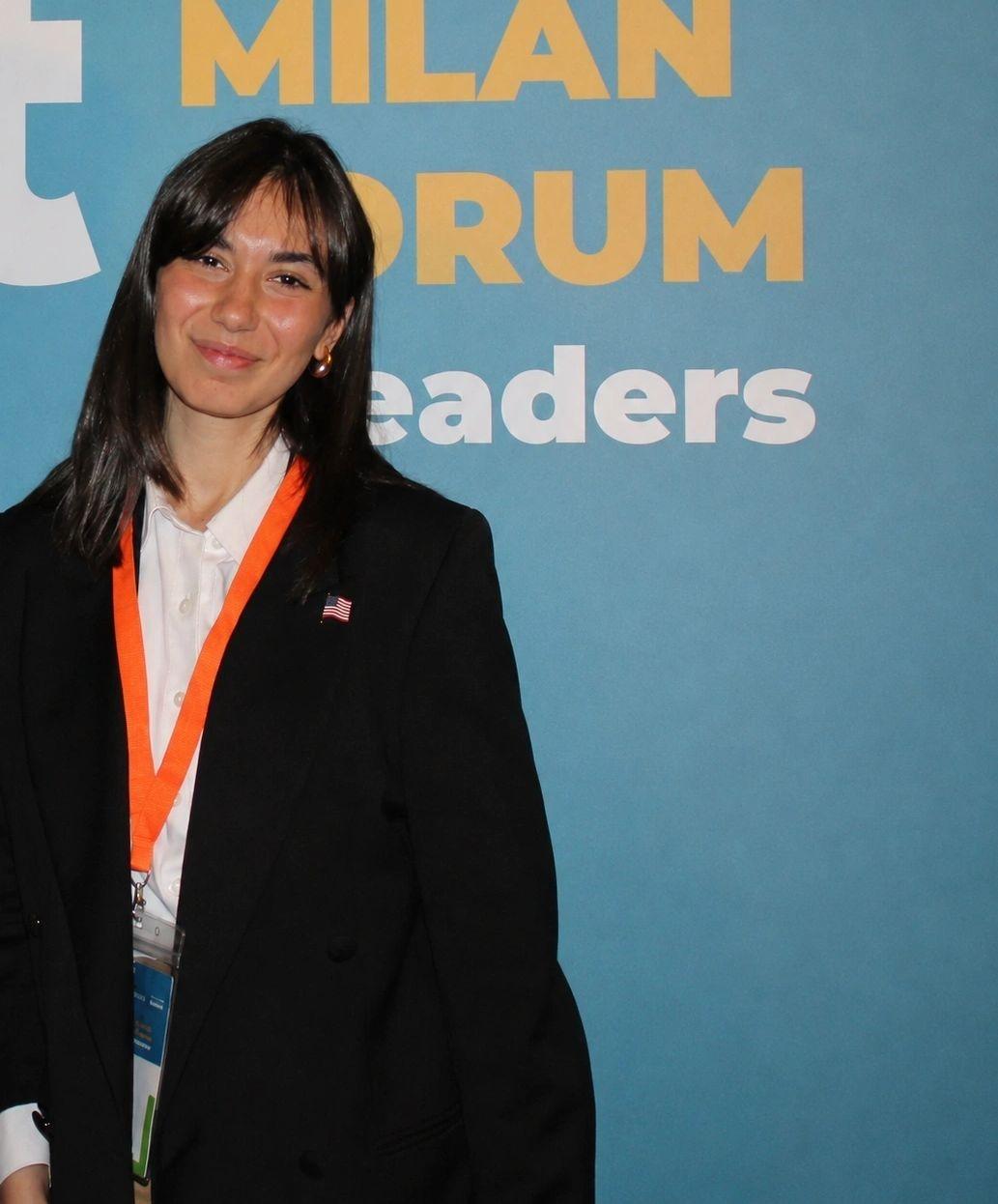
Silvia Dipalma
Silvia Dipalma is currently completing a double degree in International Management at Bocconi University and ESSEC Business School. She has always seen politics and economics as inseparable, a belief that grew stronger after a semester at the Hong Kong Polytechnic University, where she wrote her thesis on the assertion of an independent Hongkonger identity and its role in the 2019 protests. She had the opportunity to intern at the European Commission’s DG ECFIN, working on IMF reform and G20 coordination, which allowed her to engage with questions of global macroeconomics and trade imbalances from the inside. She is also passionate about development economics and climate finance, two areas she believes will define much of what Europe needs to confront in the years ahead. She joined VOYCE because she believes rigorous analysis and political vision belong together, and she is excited to contribute to that work there.

Giovanni Della Rocca
Giovanni Della Rocca is an Italian student pursuing a Bachelor’s in Economics and Social Sciences at Bocconi University in Milan, with an academic background shaped by studies in Boston, United States. His interests center on public policy and development economics, with a particular focus on wealth inequality and redistribution mechanisms, looking at how economic systems create and deepen disparities between social groups and generations. His work aims to better understand the roots of inequality in the European Union and how policy can address it.

Conor Shields
Conor Shields is from Scotland and is currently pursuing a degree in Economics at the University of St Andrews. He is particularly interested in international trade and development economics, having completed his dissertation on the economic impact of the Russia-Ukraine war on export flows from the Baltic states. Furthermore, he is passionate about the economic future of Scotland and its relationship with the EU. He is currently investigating the potential economic impact of Scottish independence, and its impact on Scotland’s relations with the EU.
Articles
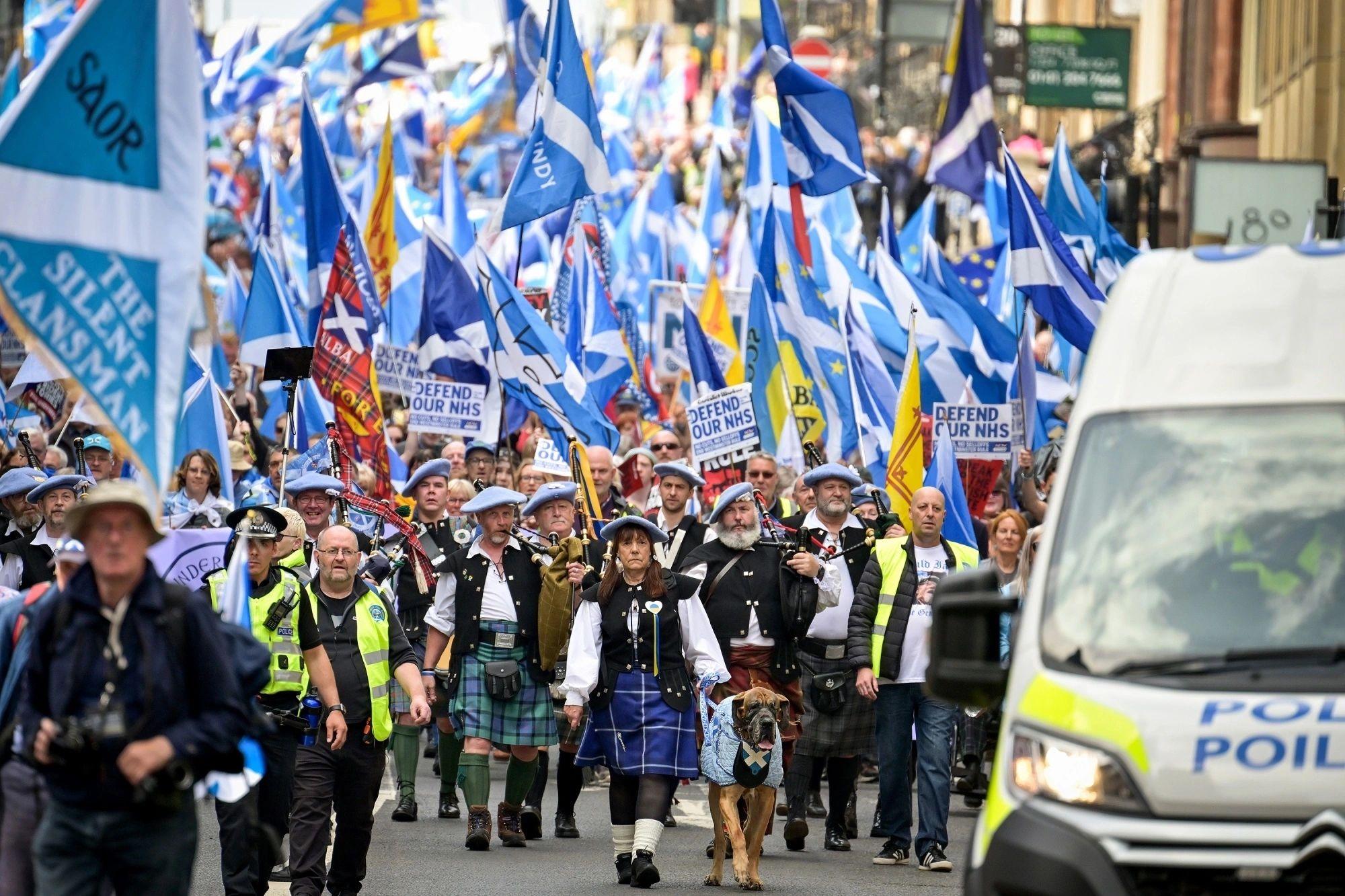
The Economic consequences of Scottish independence
Europe’s Innovation Gap: The Challenge of Public and Private R&D Financing
Introduction
Europe’s Next Budget Battle: Why the Post-2027 EU Plan Faces Fierce Opposition
by Maria Yankova and Maria Dimitrova
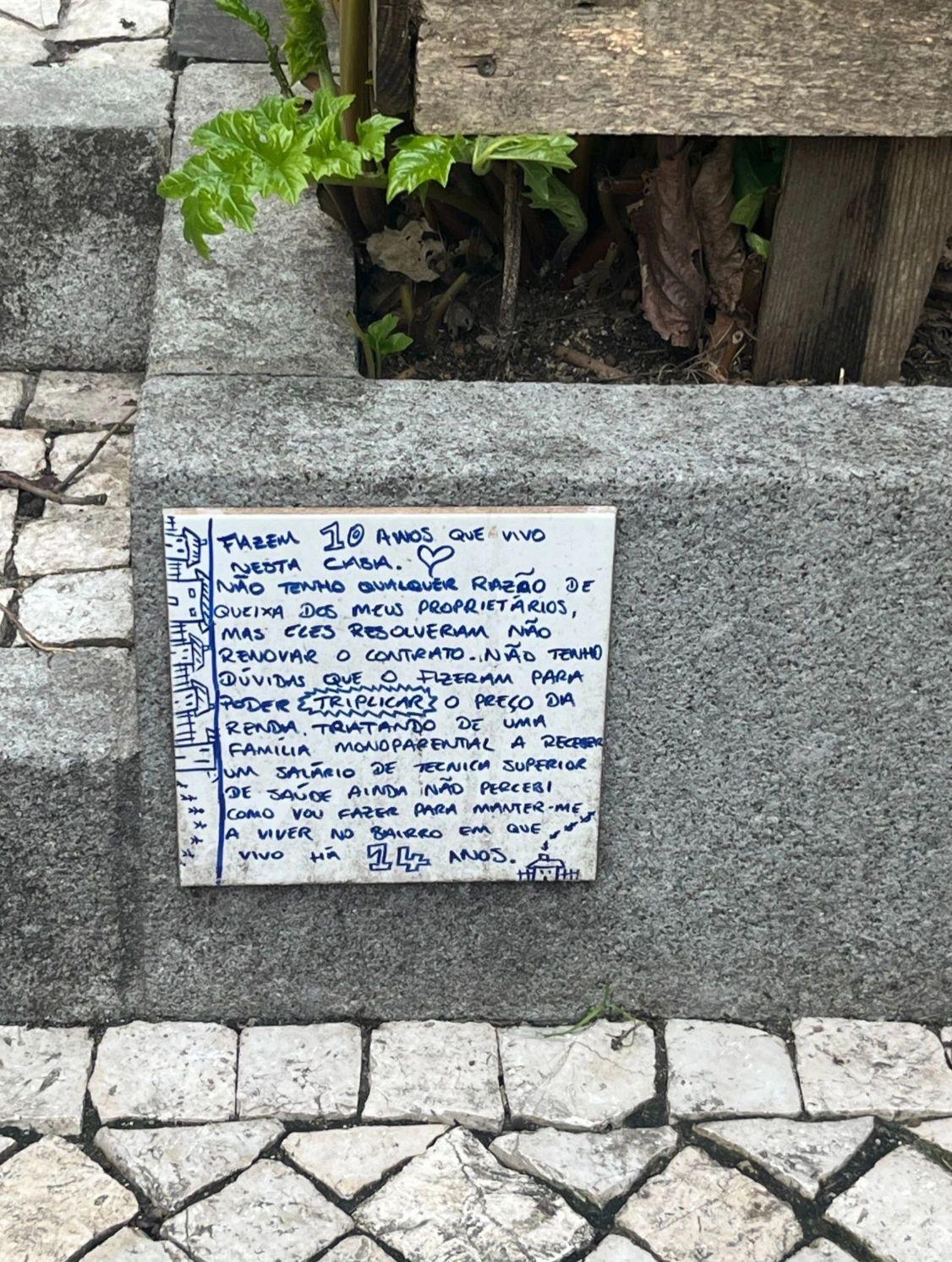
Housing, Wages, and the Citizenship Paradox in Portugal
Green Finance Under Pressure: Can It Survive Shocks?
The Incomplete Union: Structural Weaknesses and the Limits of the Euro
By Maria Dimitrova
Rethinking Europe’s Growth Model: Reflections from Mario Draghi at Bocconi
Introduction
India-EU FTA: Underlying Contentions in a Global North-South Cooperation
Background
A Pyrrhic Victory: Why the EU-US trade deal buys calm today but risks trouble tomorrow
By Margot Padilla
A Pyrrhic Victory: The EU-US Trade Deal’s Hidden Costs
How Brain Drain Shapes Economic Divergence within the EU
Free movement was supposed to bring Europeans closer together, but is it actually doing that?
Criticisms of EU's 2028-2034 budget, the rise of Euroscepticism

An Interview with Michael Linke on Empowering First-Gen Students

Housing Constraints and Economic Efficiency
Quantifying the Impact of the Dutch Housing Crisis on Productivity