Commission
Finance & Capital Markets
The Financial Stability and Capital Markets Union Commission is made up of engaged and critical thinkers who care about the European Union and are committed to voicing their opinions.
What We Do
The Financial Stability and Capital Markets Union Commission is dedicated to producing high-quality analysis and papers focused on specific issues concerning the financial environment in the EU. Our activities include:
In-depth research and analysis of the challenges and opportunities pertaining to Finance in the EU.
Development of innovative and concrete policy proposals based on scientific evidence and empirical data.
Organising events and workshops to promote debate and exchange of ideas among young people, experts and policymakers.
Collaboration with other VOYCE committees and external entities, whether industry or institutional, to broaden the perspective and impact of our analyses.
Presentation of our analyses and proposals to policymakers in Brussels and other European contexts, with the goal of positively influencing policy decisions.
Meet the Commissioner
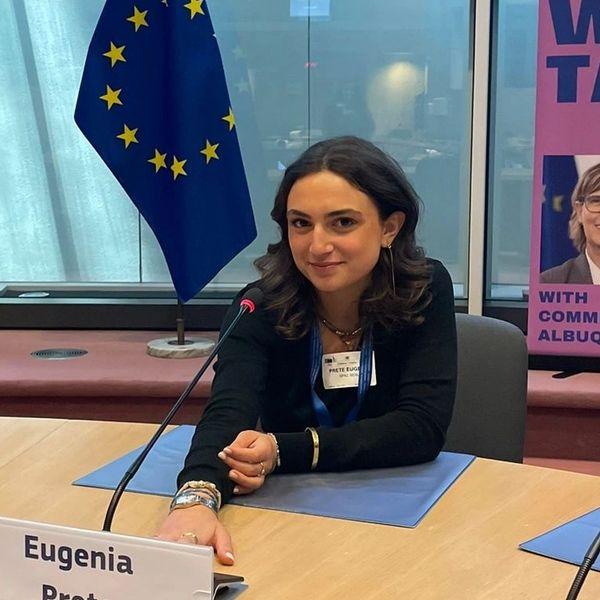
Eugenia Prete is an Italian student pursuing a BSc in Economics and Social Sciences at Bocconi University, currently on exchange at Paris 1 Panthéon-Sorbonne, where she studies international monetary economics and economic policy. She is particularly interested in the intersection of politics and economic policy within the European Union, and in how financial systems and institutions shape European governance. Alongside VOYCE, she works as a research assistant in economic history (at Bocconi) and in urban economics (at Paris 1 Panthéon-Sorbonne). Earlier, she served as Vice-President of the Human Rights Council at a Model United Nations conference and won two Best Delegate awards. She is enthusiastic about turning complex economic questions into clear, evidence-based analysis, and about building a community where young people challenge each other’s ideas and make their voices heard in European policymaking.
Meet the Fellows
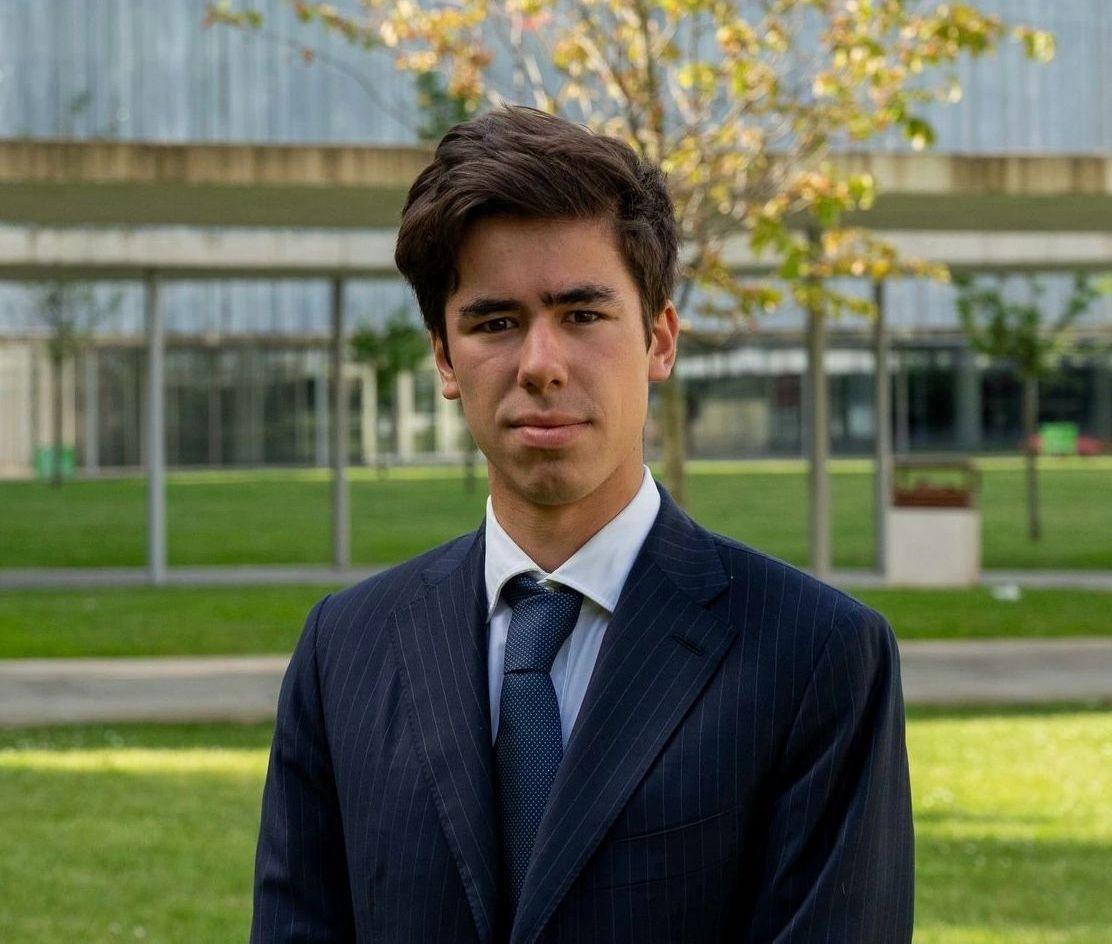
Ulysse Ha Thuc
Ulysse Ha Thuc has a degree in Economics and Finance at Bocconi University and is currently pursuing a Master in Finance at HEC. He has experience working in the financial industry and is passionate about EU policies related to financial stability, markets, and investment. With a keen interest in policymaking, Ulysse participated in the 2025 Youth Policy Dialogue organized by the European Commission, where he exchanged ideas on the future of finance with Commissioner Albuquerque.
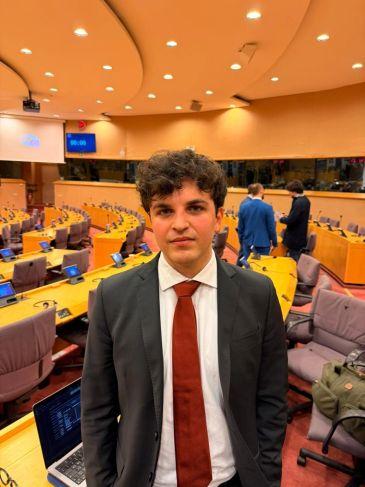
Niccolò Rotondi
Niccolò Rotondi is currently enrolled in the MSc in Economics and Social Sciences at Bocconi University. During his Bachelor’s degree he spent a semester at Peking University in Beijing. He is a junior research fellow at IEP Bocconi, focusing on EU trade policy, and a researcher at the NRRP Lab at SDA Bocconi. He will soon start a traineeship at the European Central Bank in the Directorate of General Economics.
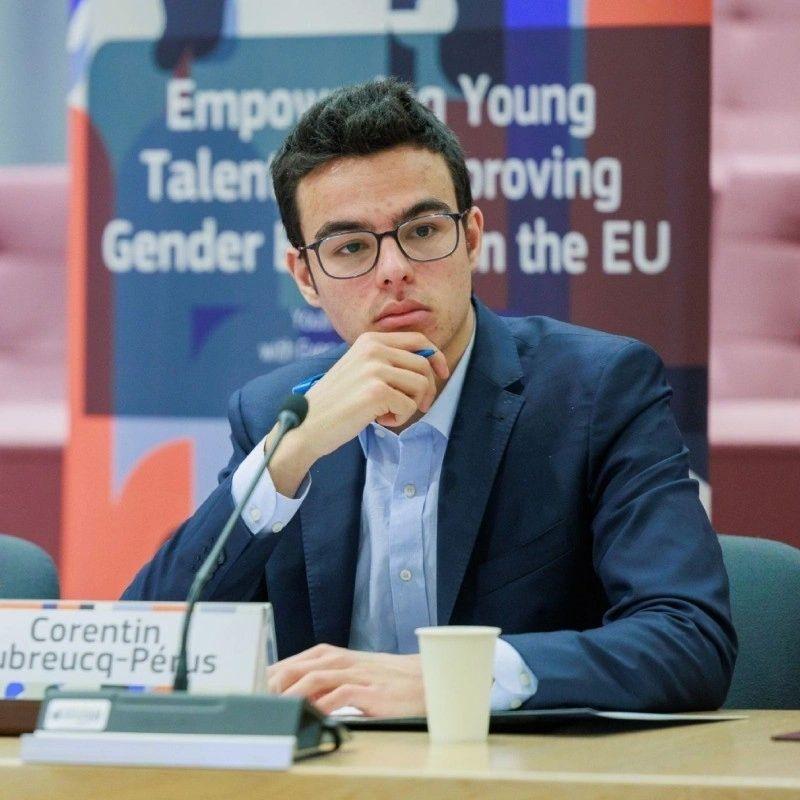
Corentin Dubreucq-Pérus
Corentin Dubreucq-Pérus is a French student pursuing a Master’s in Economic and Social Sciences at Bocconi University, with a strong interest in EU policy, competition, and sustainable development. He has also conducted applied research, including work in sports economics. Corentin won the "Protecting Competition in a Changing World" student challenge, thanks to which he met with Executive Vice-President Margrethe Vestager. He also moderated Executive Vice-President Teresa Ribera’s Youth Policy Dialogue on youth empowerment and gender balance.
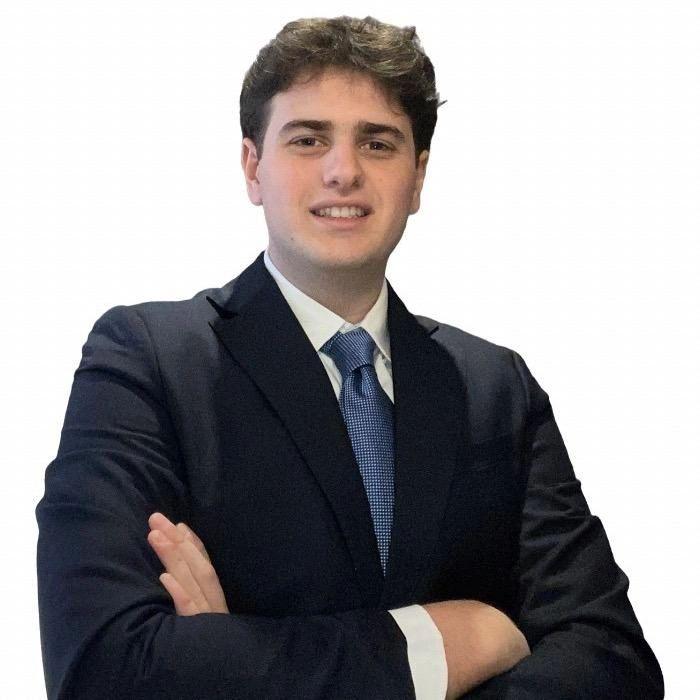
Tommaso Bruni is an Italian student with a strong interest in economics, finance and politics within the European Union. He is currently pursuing a Bachelor of Science in Economics and Finance at Bocconi University in Milan. His academic and personal interests focus in particular on financial markets and european banking sector, and how both national and EU-level policies shape these dynamics.
Federico Fiscaletti is a graduated student in International Economics and Management at Bocconi University currently pursuing a double degree master’s program with Politecnico di Milano. His academic path has been shaped by a deep interest in the intersection of financial markets, banking and economic policies, leading him to a traineeship in the Capital Markets and Treasury Experts Division at the European Central Bank. There, he gained hands-on experience in monetary operations and cross-border market dynamics, reinforcing his commitment to advancing a more integrated and resilient European financial system.

Jas Levell
Jas is an Economics undergraduate student at Bocconi, with interests spanning capital markets, development economics, and impact investment. Among her experience in the financial sector, Jas recently interned in Debt Capital Markets, and enjoys applying her understanding of macroeconomics to analyse quantitative challenges, broader market events, and their implications. From her earlier background in arts and developing business plans for sustainable fashion initiatives, entrepreneurship continues to be a strong driver for her in generating creative, meaningful solutions, and sustainability remains a key passion and area of curiosity for hers.
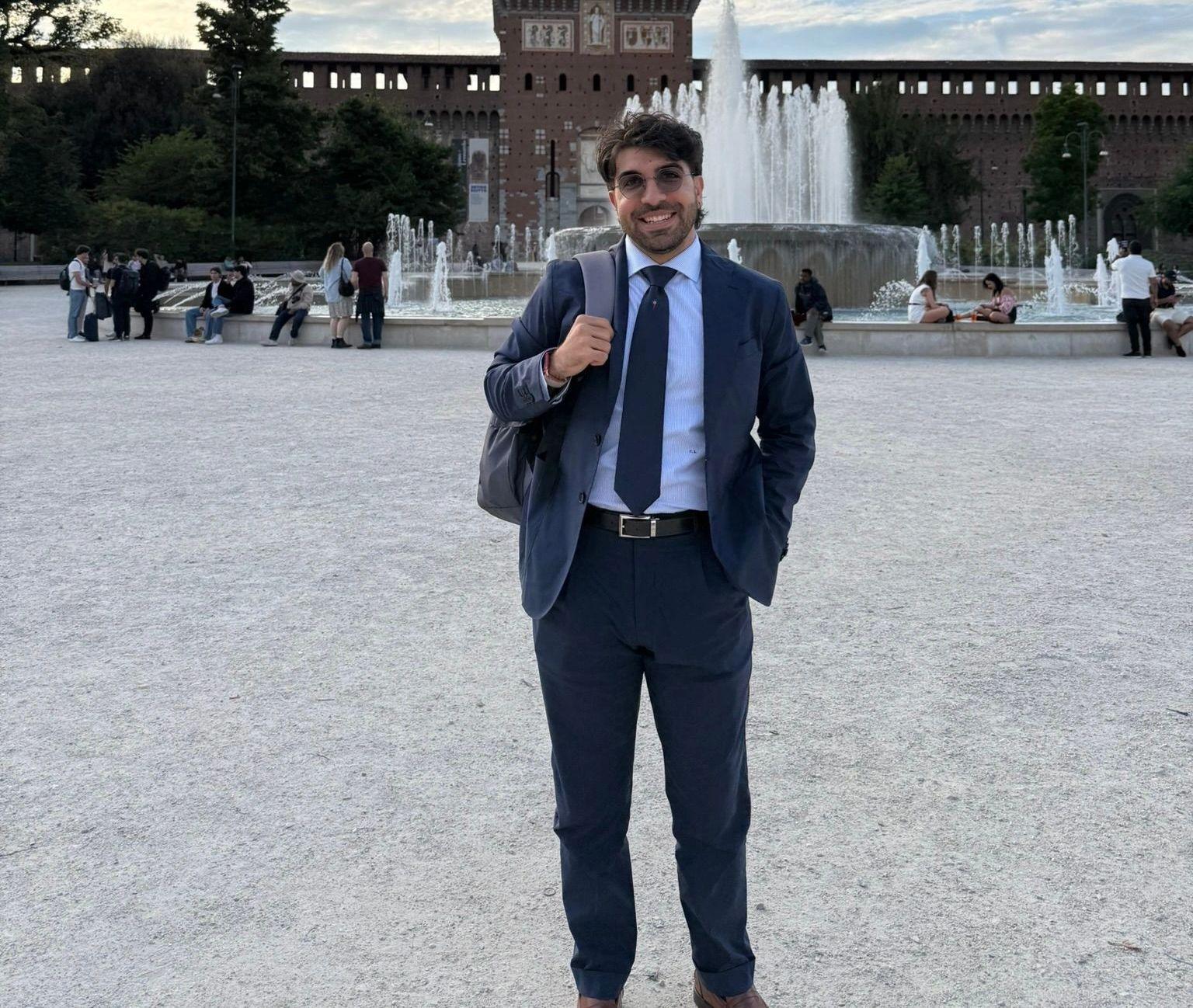
Federico Sodano
Federico Sodano is currently pursuing an M.Sc. in Economics and Political Science at the University of Milan. He was selected as the sole representative from his Master’s programme for an exchange semester at Peking University HSBC Business School in Shenzhen, and previously completed an Erasmus semester in Madrid. He is currently working as a Strategy Analyst Intern in Banking & Financial Services. Federico is particularly interested in European institutions and economic governance, with a focus on financial and capital markets policy.
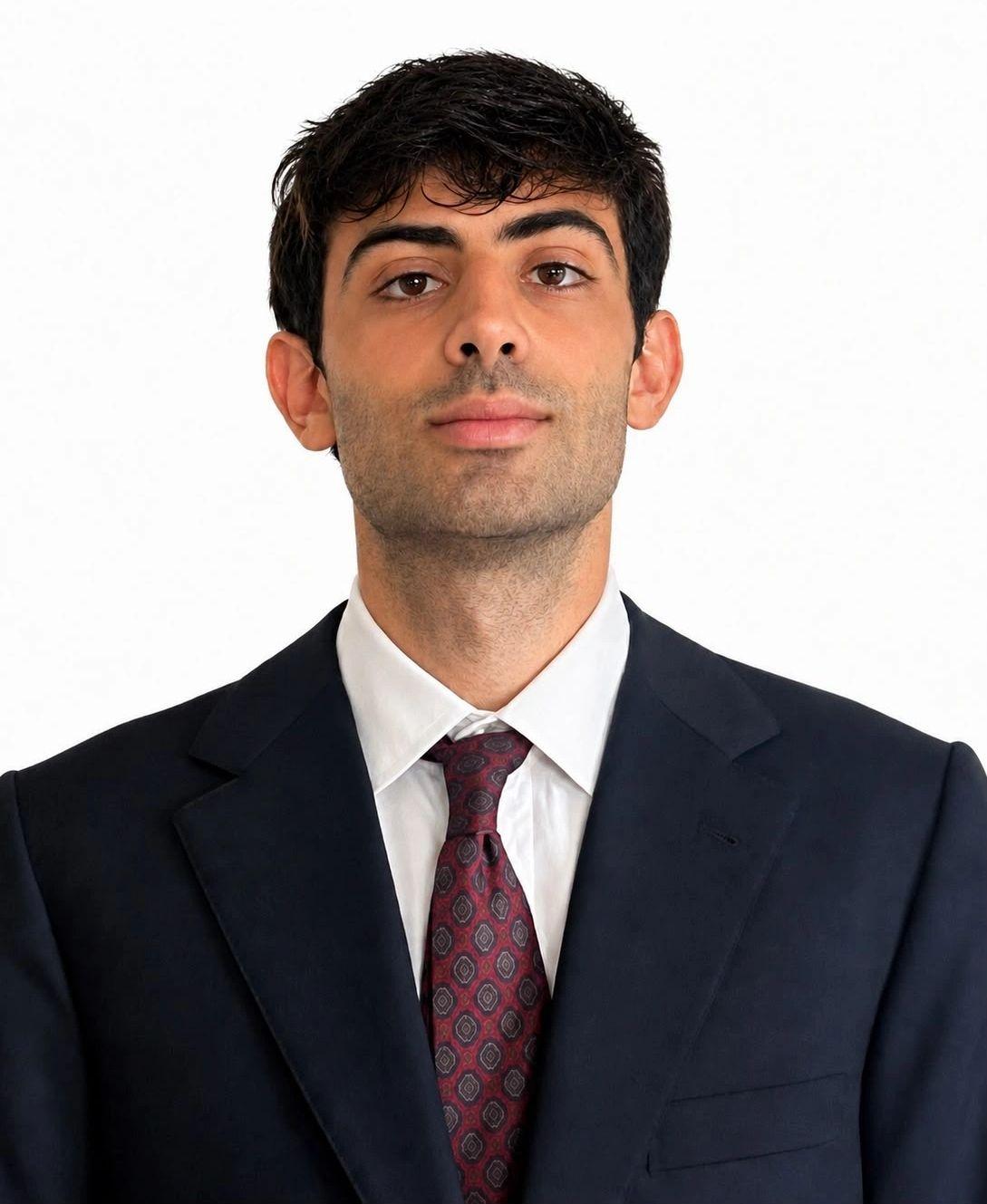
Niccolò Pirani is an Italian student pursuing a Master’s degree in Economics and Finance at LUISS Guido Carli University in Rome, with a major in Finance. He is particularly interested in European financial markets and their intersection with political and regulatory dynamics. His academic path combines a strong quantitative foundation — built during his Bachelor’s at LUMSA, where he graduated with top honors — with a growing focus on asset management, corporate finance, and the role of sustainable finance as a driver of environmental transition. Beyond his studies, he is passionate about civic engagement and European integration, believing that financial systems must evolve to meet the challenges of a more sustainable and inclusive future.
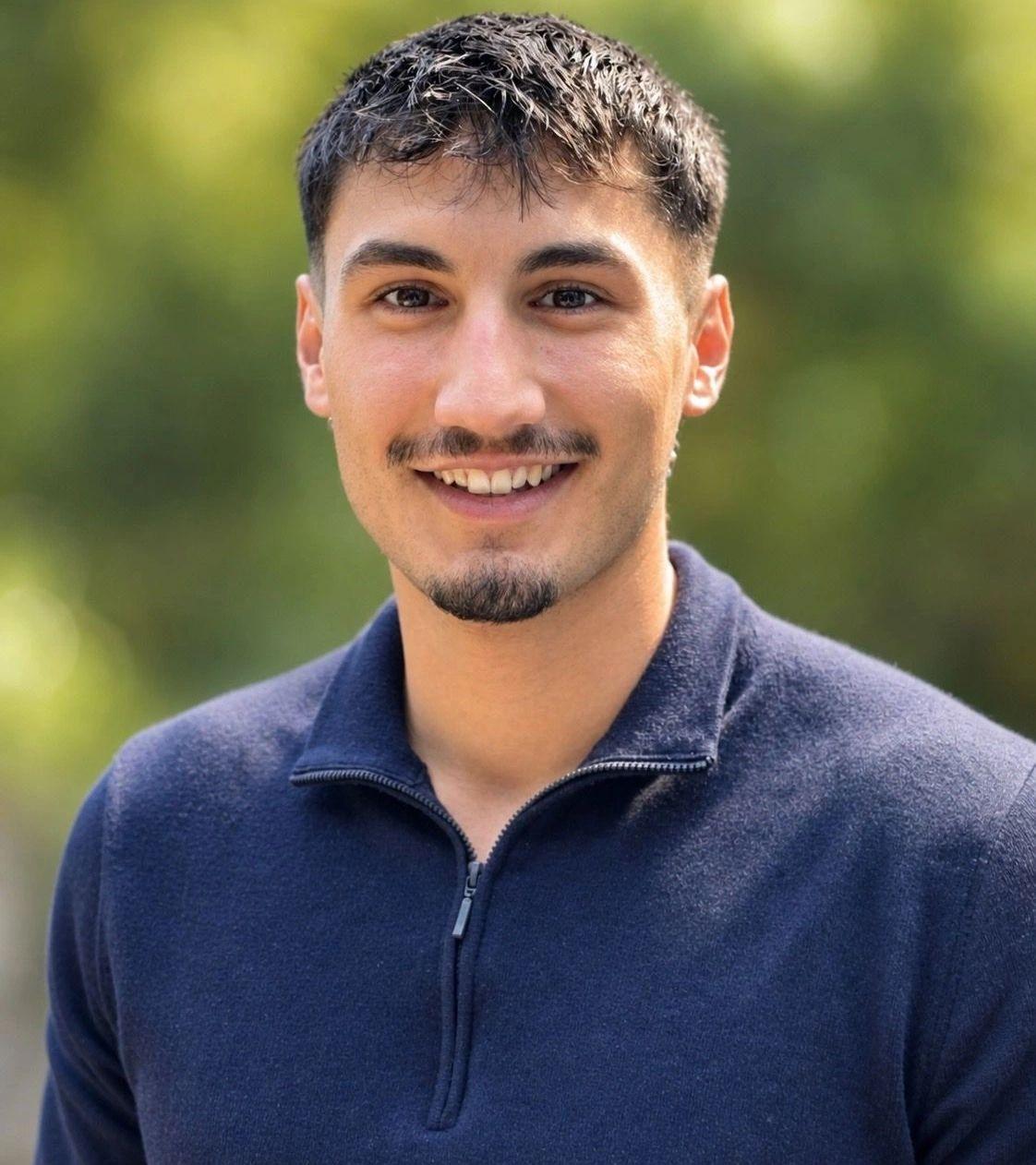
Alexander Schilling
Alexander Schilling is an Italo-German Master in Finance candidate at ESADE Business School, with a strong interest in foreign exchange markets and the impact of geopolitical developments on global trade and capital flows, as well as the broader implications of monetary policy and financial stability. He holds a Bachelor’s degree in Financial Management, where he built a solid foundation in quantitative analysis, financial modeling, and economic theory. Alongside his academic studies, he gained practical experience at EY Tax GmbH Steuerberatungsgesellschaft in Berlin, where he developed insights into the financial structures and strategic decision-making processes of large multinational firms.
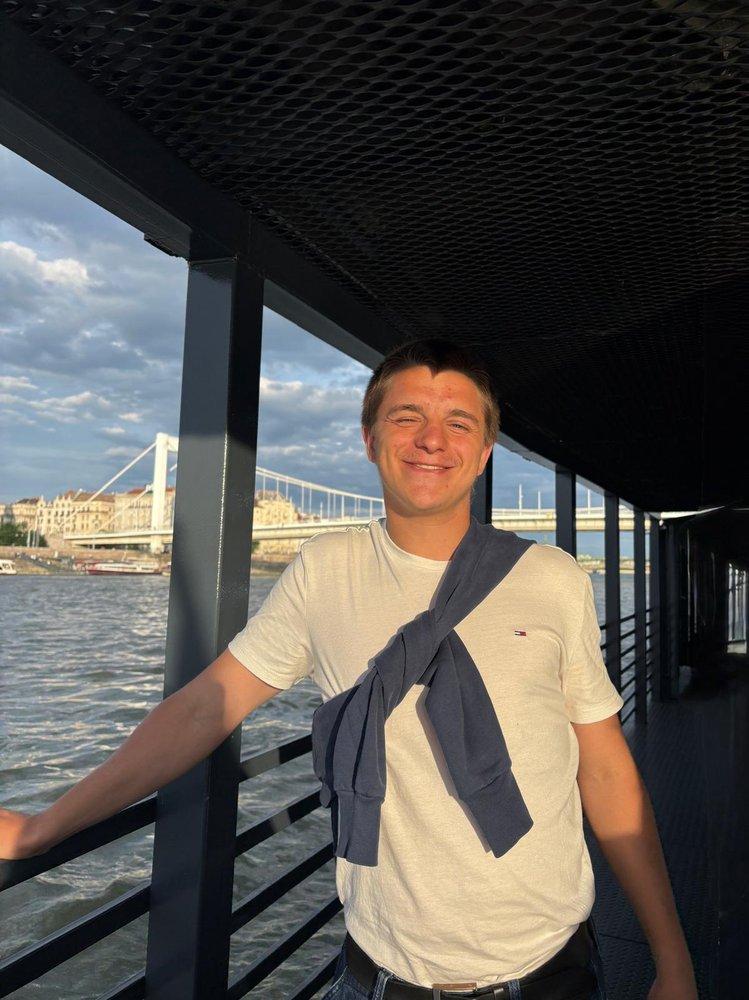
Malte Riebel
Malte Riebel is a B.Sc. Economics student at Freie Universität Berlin, currently completing an exchange semester at Université Paris 1 Panthéon-Sorbonne. His interests focus on international monetary economics, capital markets, and European financial regulation. Alongside his studies, he co-organizes student-led economics modules in Berlin and will soon complete internships at DZ BANK AG in Frankfurt and the Bundeskartellamt in Bonn.


Matteo Casagrande
Matteo Casagrande is an Italian-Romanian student born and raised in Germany, currently pursuing a Master's in Finance at LUISS Guido Carli in Rome. He holds a Bachelor of Science in Business Administration from Germany and has gained professional experience in risk management at a bank in Munich. An active member of the Starting Finance Club at LUISS, Matteo is passionate about asset and portfolio management and the growing role of climate finance in shaping responsible investment strategies, a theme he explored in depth during his Bachelor's thesis. He hopes to build a career in the private financial sector, where he aims to combine analytical rigour with a long-term vision for sustainable and impactful portfolio management.

Sean Tan
Sean is a BSc International Relations and History student at the London School of Economics, with a passion for comparing his native Asian financial landscape to Europe’s. He is particularly interested in the efficiency of markets and government intervention, having written on related issues for Asia Times, Global Taiwan Brief, and as an intern at the Centre for International Governance and Innovation. He is also heavily involved in finance itself, as both a former hedge fund intern and Project Manager at the Cambridge Consulting Network.
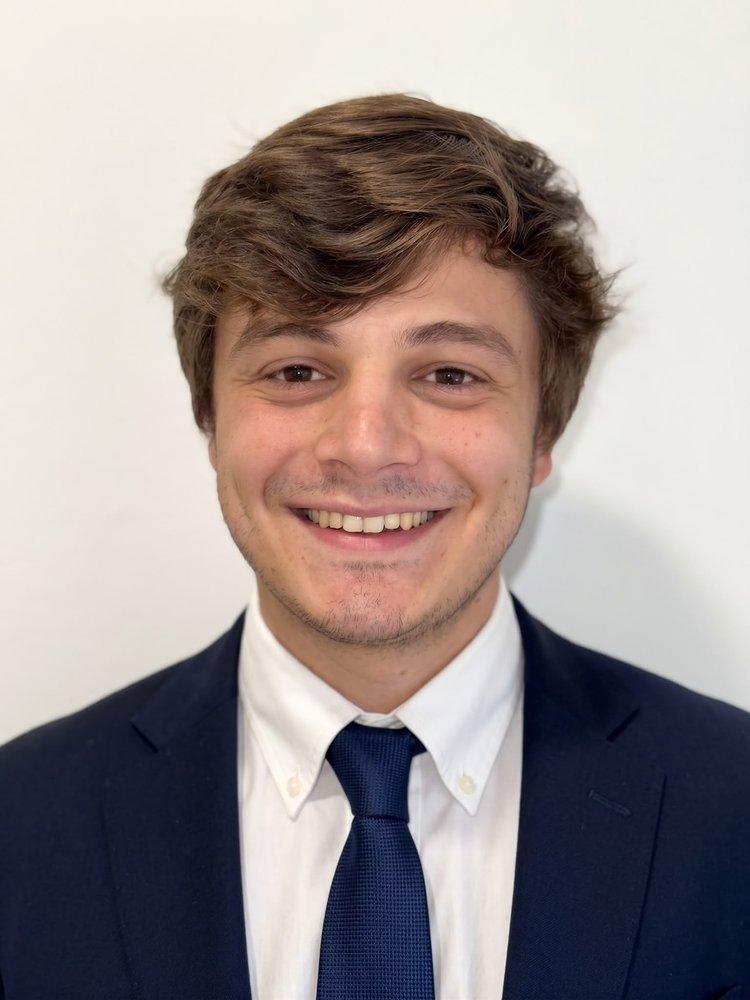
Adriano Celata holds a Bachelor’s degree in Statistics and a Master’s degree in Econometrics and Economics. He completed his Erasmus Mundus Joint Master’s programme across three different EU Member States, with the programme funded by the European Union. Throughout his academic and professional journey, he has gained experience at several European institutions, including the European Parliament and the European Investment Bank, and is currently undertaking a traineeship at the European Central Bank. His academic background combines quantitative methods and economic analysis, complemented by international academic experience and exposure to the work of European institutions. Having studied and worked in different European countries, he has developed a strong international outlook and a multidisciplinary perspective on European affairs.
Articles
EU Funding Mechanisms for Small Enterprises and the Road Ahead

One Regulator to Rule Them All: Inside the Push to Centralize Europe's Market Supervision
Taxing Today, Underfunding Tomorrow: EU Windfall Tax

Intergenerational Wealth Inequality in Europe:

The 2026 US-Israeli Attack on Iran and the European LNG Crisis: The Role of Qatari Supply and the Chemical Industry as a Test Case
Introduction
The Invisible Pipeline: LNG and Europe's Industry

Sovereign Risk and Fragmentation in ECB Transmission
Introduction
Hamoudi v Frontex, Accountability at Europe’s Borders
by Ilaria Ronconi
Climate Perspectives on the ECB’s Unconventional Monetary Policy

Innovation in Digital Payment Systems and an Analysis of the Digital Euro
An Introduction to CBDCs and their Global Context

Two Banking Models, One Continent Divided
THE FUTURE EUROBONDS TIGHTROPE

Reforming the PEPP: Five Strategic Pillars
‘EU Banking Framework: M&A or Mayday?’
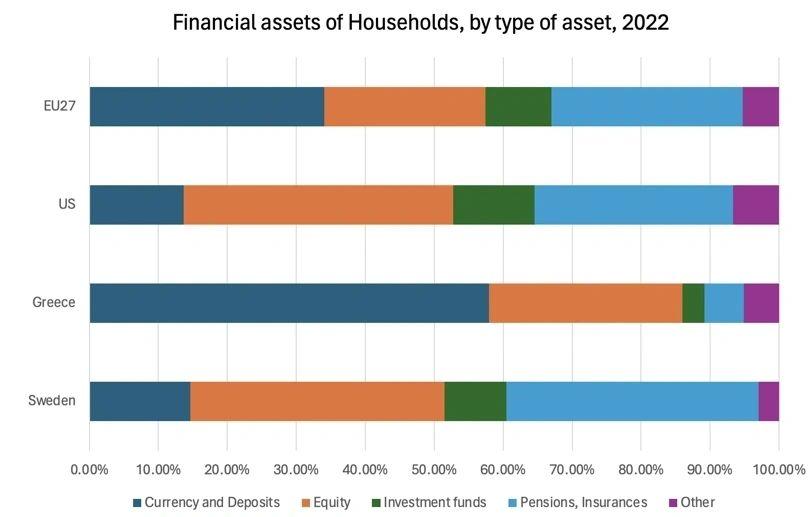
Pan-European Pension Products: a lever for EU financing?