Commission
Climate Change
The Climate Change Commission consists of a group of talented young people from diverse academic and professional backgrounds with a passion for conserving the environment. We are convinced that protecting the environment will be a matter of societal survival going forward, and action must be taken as soon as possible to mitigate the present and future consequences of our increasing carbon emissions.
What We Do
The Climate Change Commission is dedicated to producing high-quality analysis and policy proposals focused on specific issues concerning the environment. Our commission will be split up into 3 groups that will all work together on the same goals: the first group will research the scientific aspect of reducing emissions and protecting the environment; the second group will assess the economic impact of climate policies; the third group will focus on the political roadblocks to implementing climate solutions. Together, these groups will work towards:
Creating a comprehensive analysis of the steps Europe has taken to reduce its emissions to understand the environment regarding EU climate policy.
Compiling and analysing up-to-date research on progress made in the technology sector that can increase efficiency and reduce CO2 and CO2 equivalent emissions.
Assessing the economic viability and impact of various climate strategies adopted by governments.
Fostering a positive political climate where addressing climate change is not seen as an obstacle to economic progress.
Developing proposals on strategies and policies EU lawmakers can introduce to reduce the European Union’s impact on the environment.
Collaborating with other VOYCE commissions when joint research opportunities develop, particularly with the Energy Commission.
Advocating for the environment in all forums possible, from online spaces to the EU parliament.
Meet the Commissioner
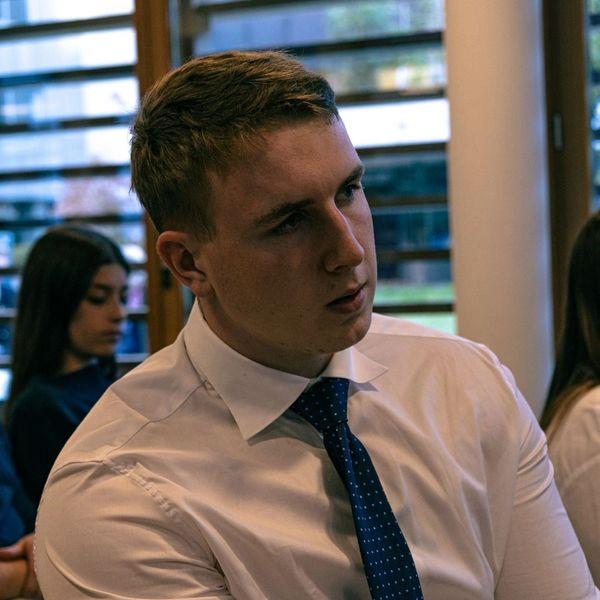
Rocco is a Italian-Canadian student pursuing a Bachelors degree in economics and management. He has worked at the tech startup BrainboxAI, which uses artificial intelligence to reduce buildings’ energy consumption and emissions. He hopes to create a business environment where environmental protections are not seen as an obstacle to economic activity but as a measure against resource erosion and humanitarian disasters, ultimately improving the economic outlook.
roccoram1000@gmail.comMeet the Fellows
Deputy Commissioner
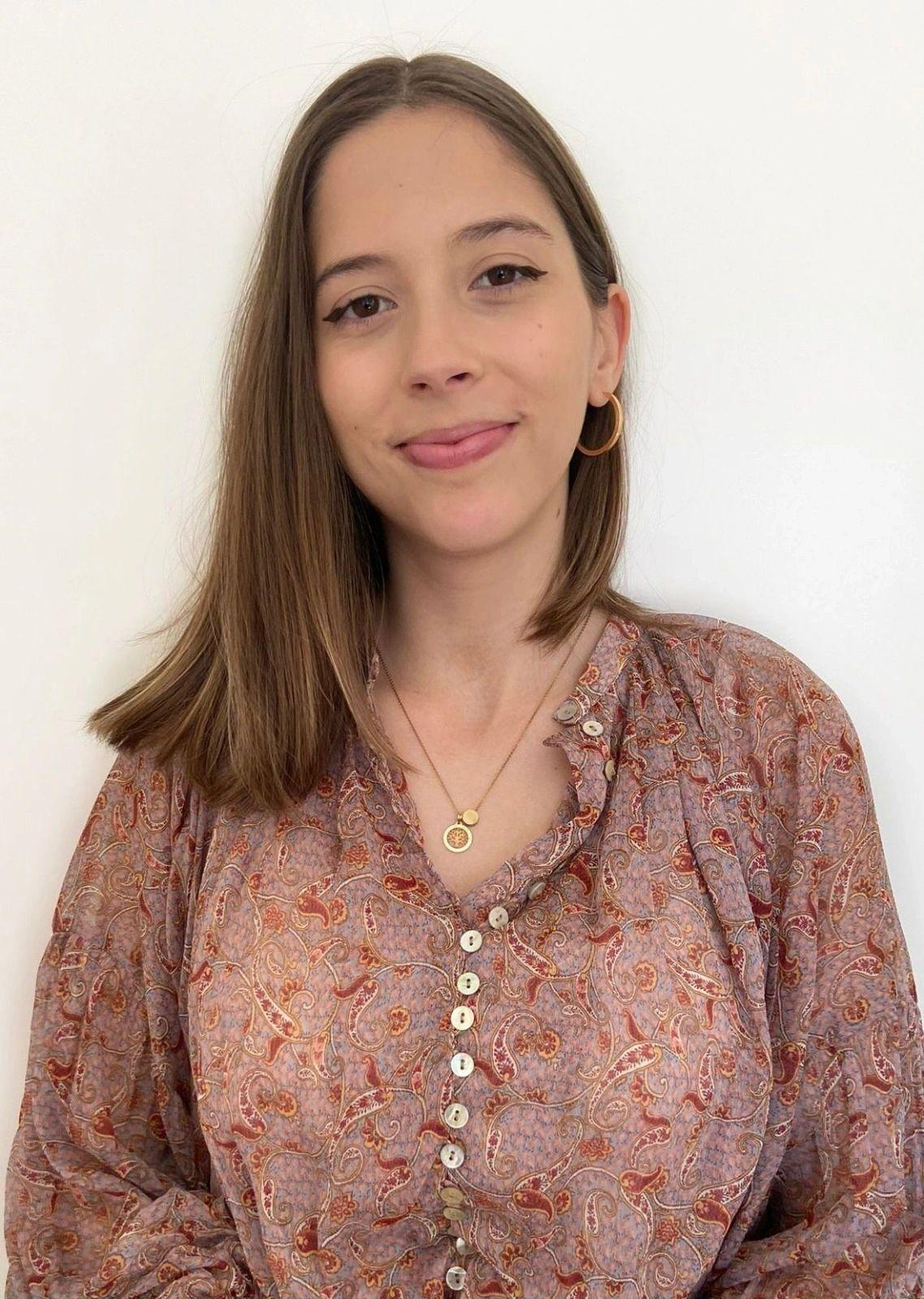
Ana Maria is a Portuguese student currently pursuing a Master’s in International Development and Public Policy. She holds a Double Degree in Renewable Energy, which strengthened her technical foundation in energy systems and sustainability. Passionate about bridging the gap between science and policy, Ana Maria aspires to drive positive societal change by ensuring that ambitious climate and development policies are both technically sound and practically feasible.
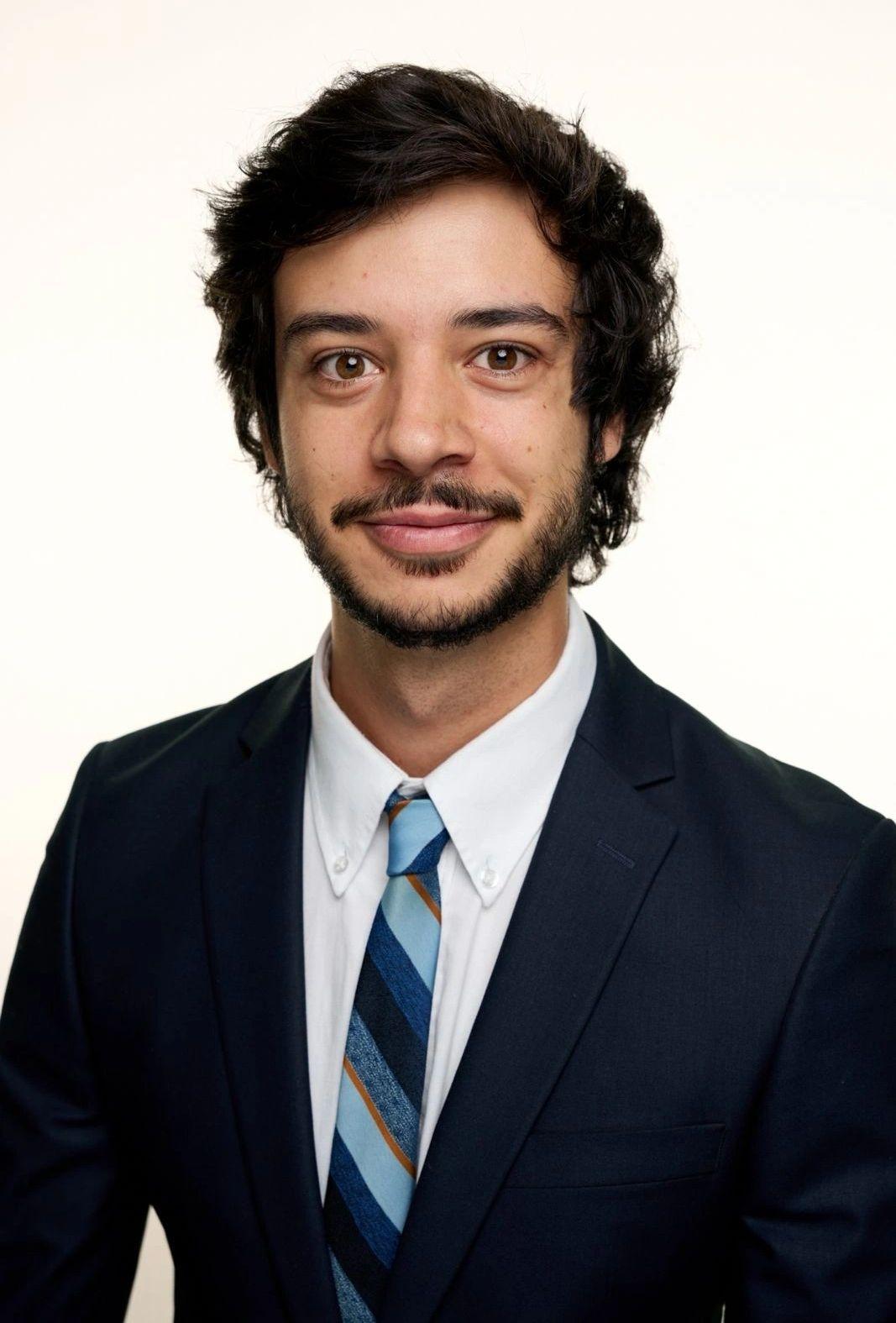
Rafael Valente is a Portuguese and Brazilian student with an MSc degree in Physics and is now pursuing a double degree in Data Science & Finance in Paris. Growing up in Brussels, he developed an early interest in the EU. Striving to contribute towards a carbon-neutral society, he aims to apply his skills to EU climate policy and help advance the Union’s environmental goals.
Lucas Lestido, Brazilian and Spanish, studied his Bachelor’s at Luigi Bocconi University in Economics and Social Sciences, and his Master’s at the University of Graz, Austria, Hiroshima University, Japan, and University of São Paulo, Brazil, in Sustainable Development with Specialization in Science and Technology. He is most interested in the fields of socio-ecological economics, environmental anthropology and Social Sciences.
Alexander is a South African-Italian Global Law student at Bocconi University, with experience in sustainability research, compliance, and market analysis across South Africa, Dubai, and Europe. He has contributed to supply-chain and market studies at Umicore and supported administrative and compliance functions at CM & Associates. He is interested in how legal and financial frameworks can enhance ESG performance and promote climate-resilient economic growth. Alexander has earned awards in debate and public speaking, having participated in competitions across Europe, Asia, and Africa, and has been engaged in community initiatives in Italy and South Africa. He aims to apply his global perspective and analytical skills to ESG and climate-focused roles within financial institutions and international organizations.
Noemi is an Italian policy professional with a Joint Master's in Global Economic Governance and Public Affairs, completed through CIFE and LUISS across Rome, Berlin and Nice. She currently supports the G20 Global Land Initiative policy team at the UNCCD. Passionate about linking land, climate, and economic governance, Noemi aims to help ensure European and global environmental policies are ambitious, inclusive, and workable in practice.
Harjan is a Punjabi and Canadian student currently pursuing a Bachelor of Global and International Studies with a specialization in International Economic Policy at Carleton University in Ottawa, Canada. She recently completed a year-long academic exchange at Université Paris Dauphine-PSL, where she took courses in climate change economics that sparked her strong interest in the field. Her interests center on sustainable economic transitions and the governance of global production networks, with a particular interest in advancing sustainability within the textile and fashion industries.
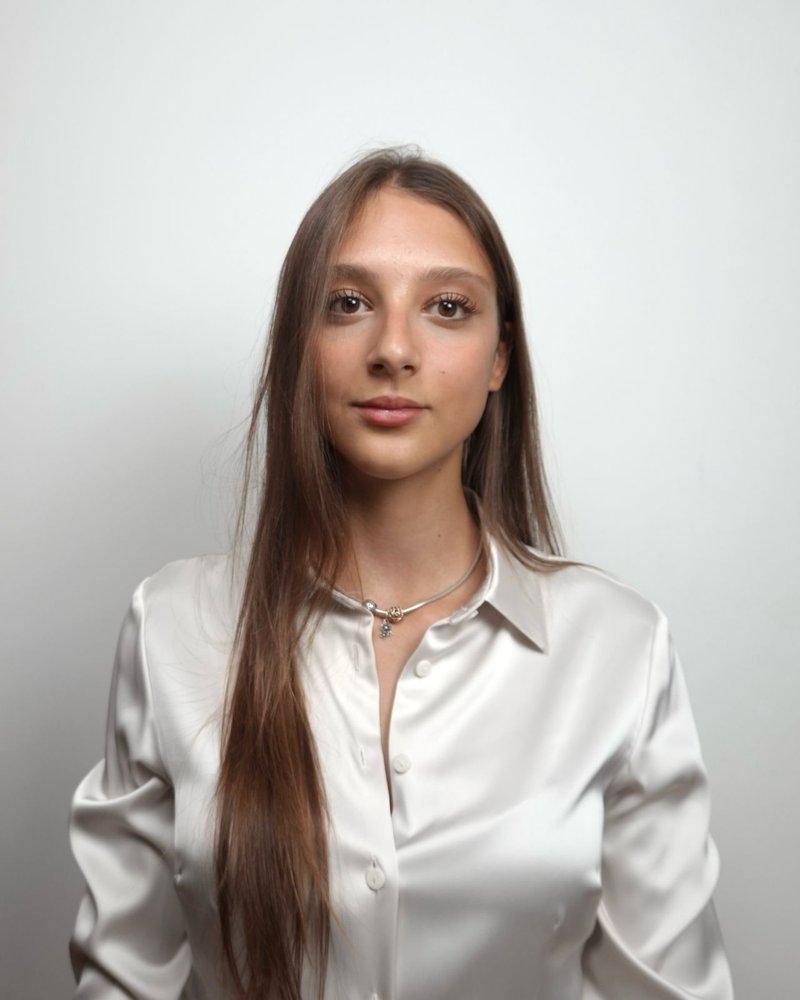
Matilde Martini is an Italian student currently pursuing a degree in Geography at the London School of Economics and Political Science. Driven by a long-standing concern for environmental issues, she first developed her passion for sustainability through participation in Model United Nations within the United Nations Environment Programme. She has since continued to develop this interest through climate change research, social impact projects, and industry experience at a London-based ESG consultancy.
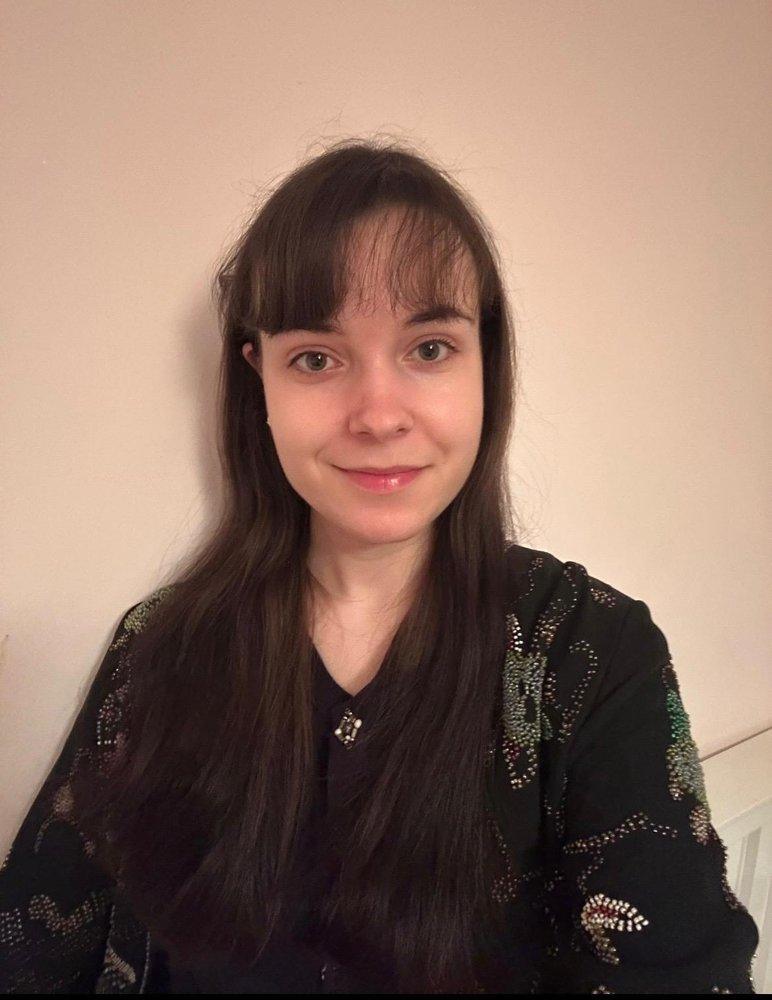
Tara is a second-year Geography student at the London School of Economics and Political Science with interests in climate policy, sustainable finance, and European political economy. Through academic research and internships in ESG and climate-aligned investment, she has explored how regulatory frameworks and financial governance influence environmental outcomes. She is particularly interested in how investment structures and climate policy interact with regional cohesion and economic development.
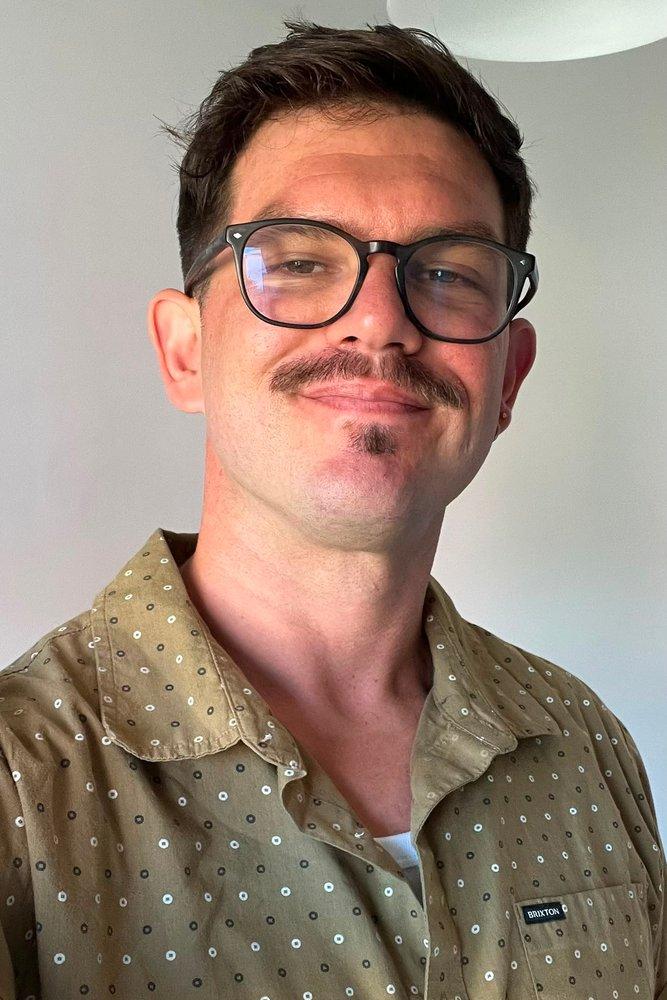
Kyle is an educator and public policy student from the US pursuing a Master’s in International Development and Public Policy at Nova SBE in Lisbon. His international experience spans the Dominican Republic, Brazil, and Portugal, including serving as a Fulbright English Teaching Assistant in Brazil. He currently serves as Co-President of the NOVAFRICA Student Group and is working with Portugal’s PLANAPP on comparative research into strategic planning and governance. Drawing on his background in education and international development, Kyle is interested in climate and sustainability policy, governance, and building more effective and inclusive public institutions.
Articles

Why not just block the sun?
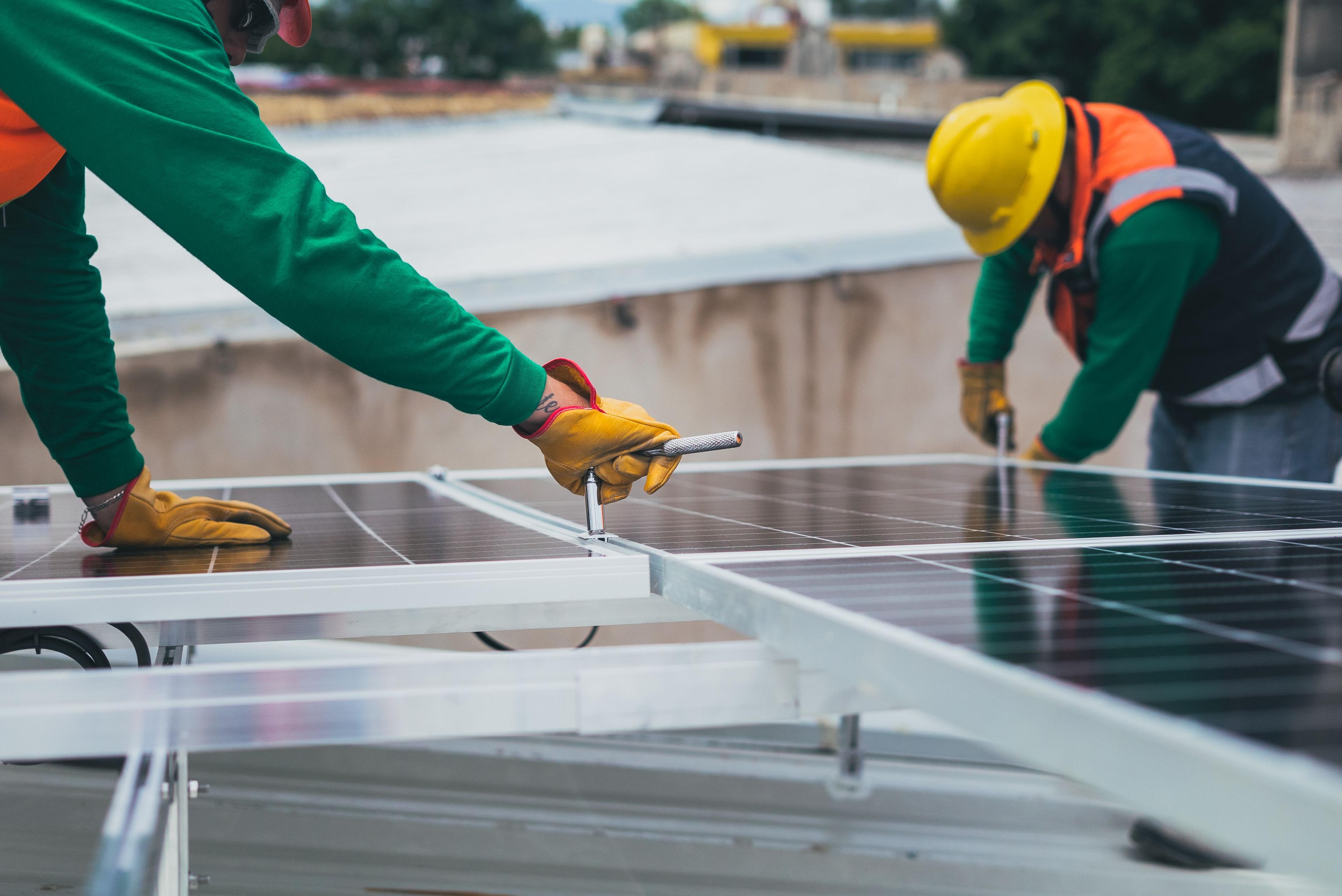
Who Will Pay for Europe’s Green Transition?
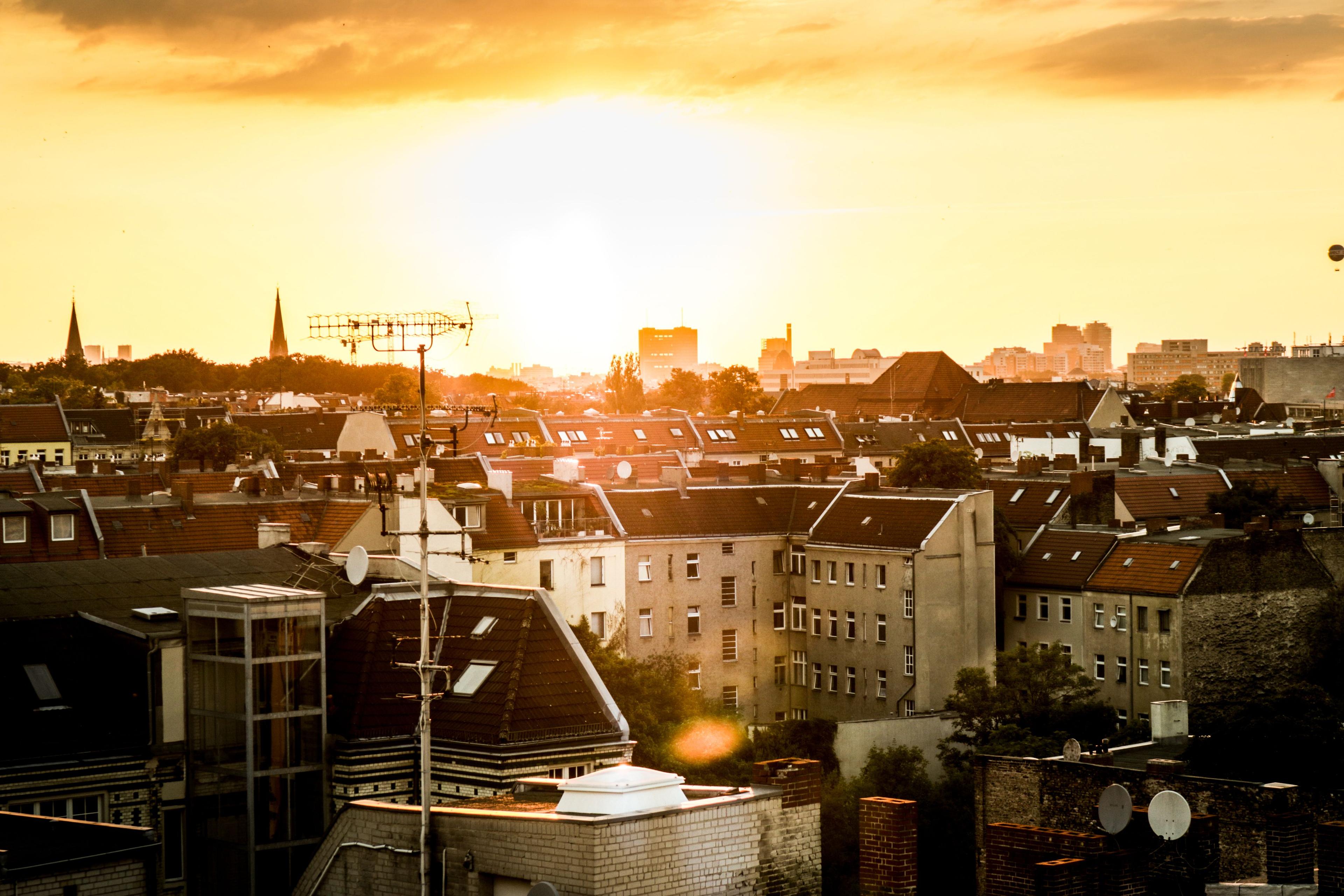
Building Retrofits for Extreme Heat
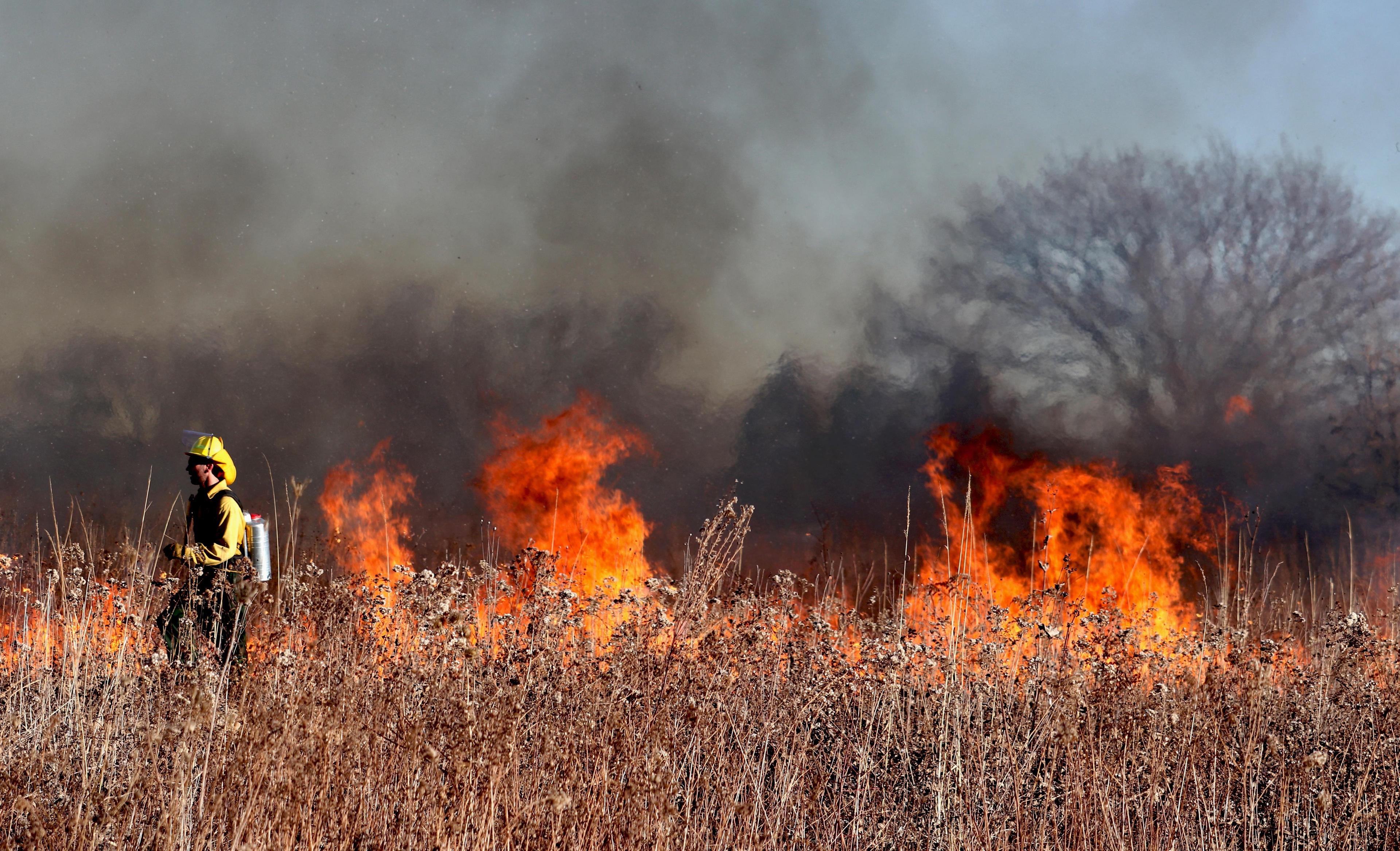
Beyond Firefighting: Building Europe’s Heat Resilience
Europe's Green Transition: Security or New Extractivism?
Trees or Technology? Europe's Carbon Removal Dilemma
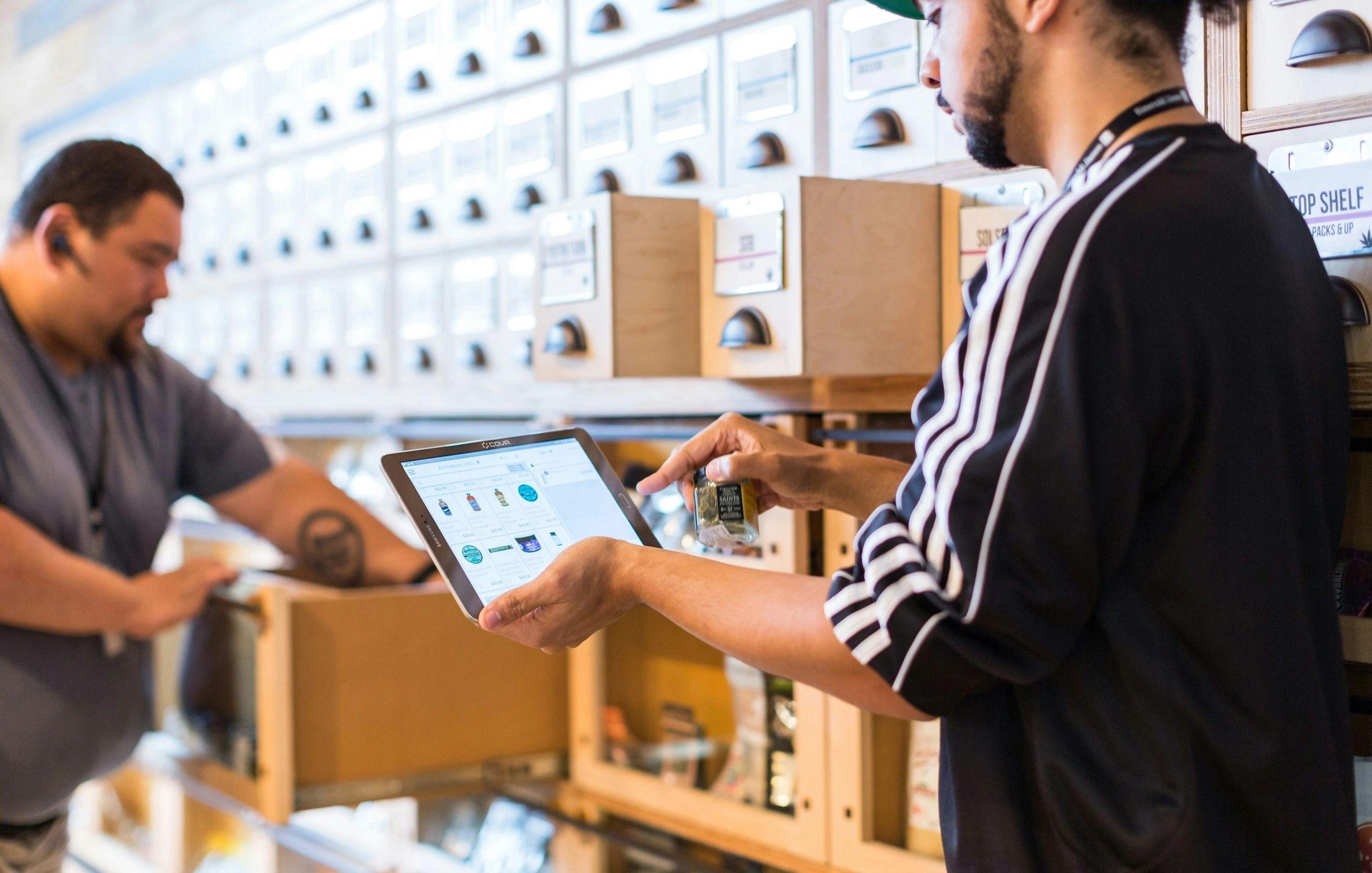
Digital Product Passports: Governing Through Data

The Blue Economy
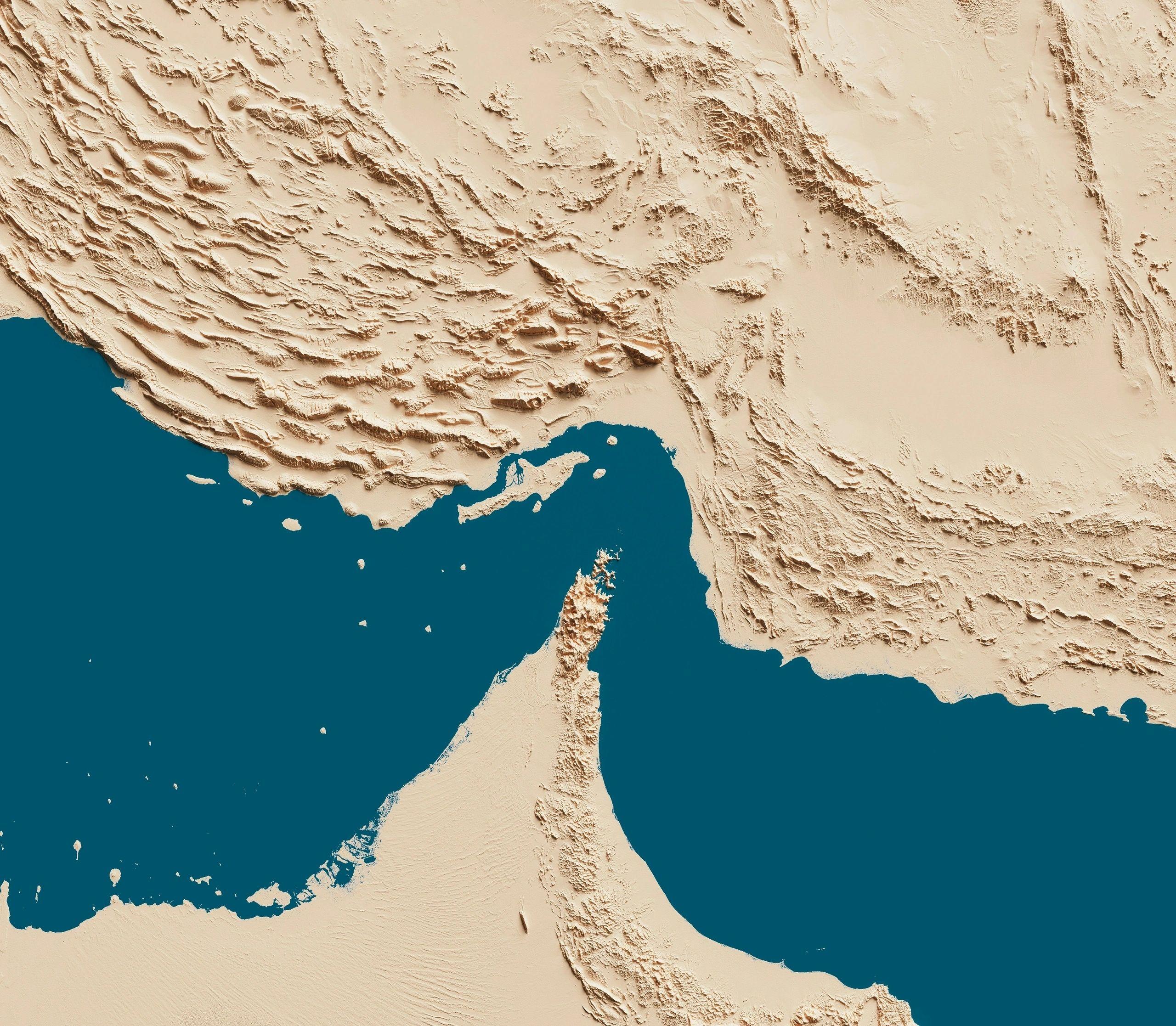
Energy security as a means of climate policy: How the Iran War is ultimately rewiring the energy transition
Written by Alexander Martin & Daniel
Energy Security as a Means of Climate Policy
Rethinking CBAM: Is the EU Exporting Climate Costs?
Introduction
The Future of EU Climate and Energy Cooperation in Africa
Introduction

Rethinking the EU’s Textile Footprint
Introduction
The Global Ethics of Degrowth
Federica Marini and Rafael Valente
COP30 Deep Dive: The Demands of the Alliance of Small Island States (AOSIS) and what they mean for the EU
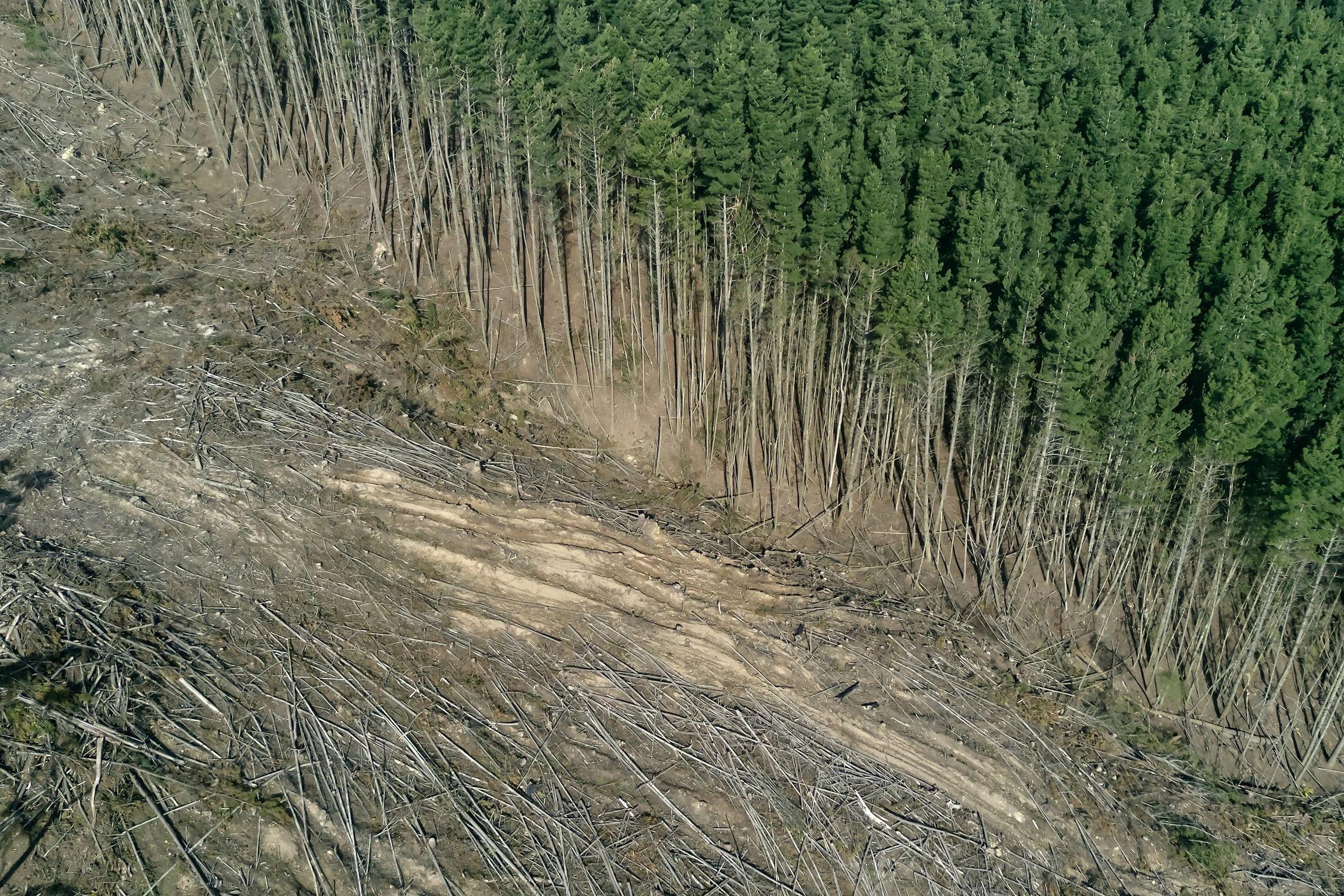
EUDR as Soft Power: Can Europe Lead the Global Transition to Deforestation-Free Supply Chains?
COP30 Analysis: From lack of effective fossil mitigation to the persistence of the carbon markets
Introduction
COP30: Weak fossil fuel action and persistence of carbon markets
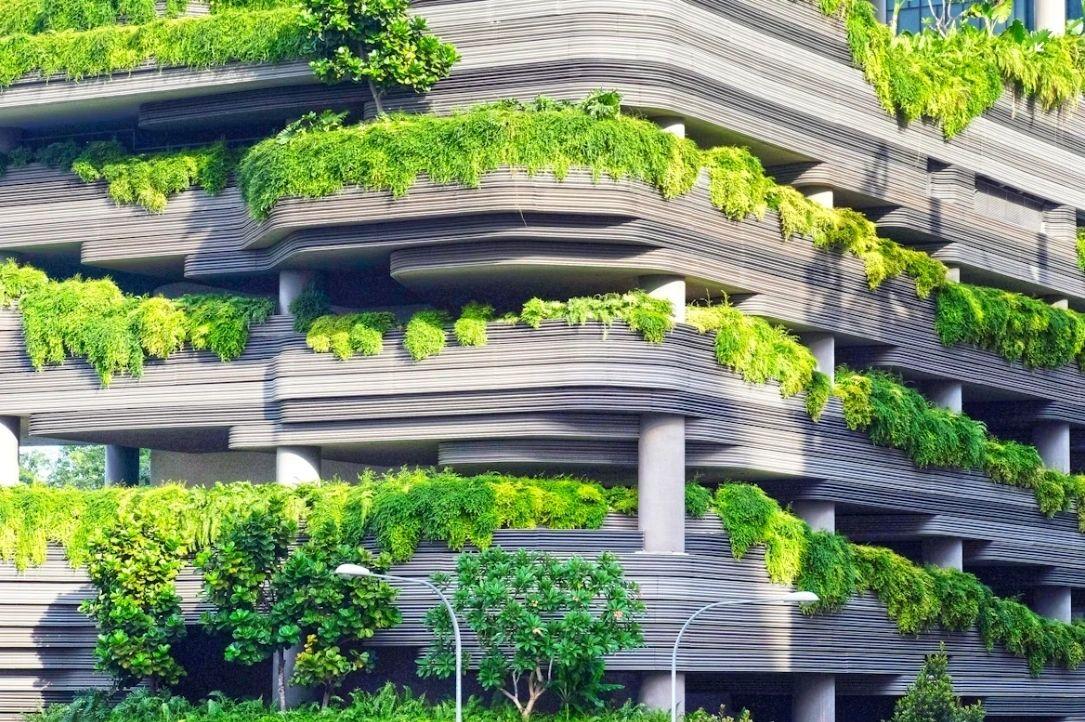
A Fresh Look at Urban Sustainability in the EU
What is urban sustainability?
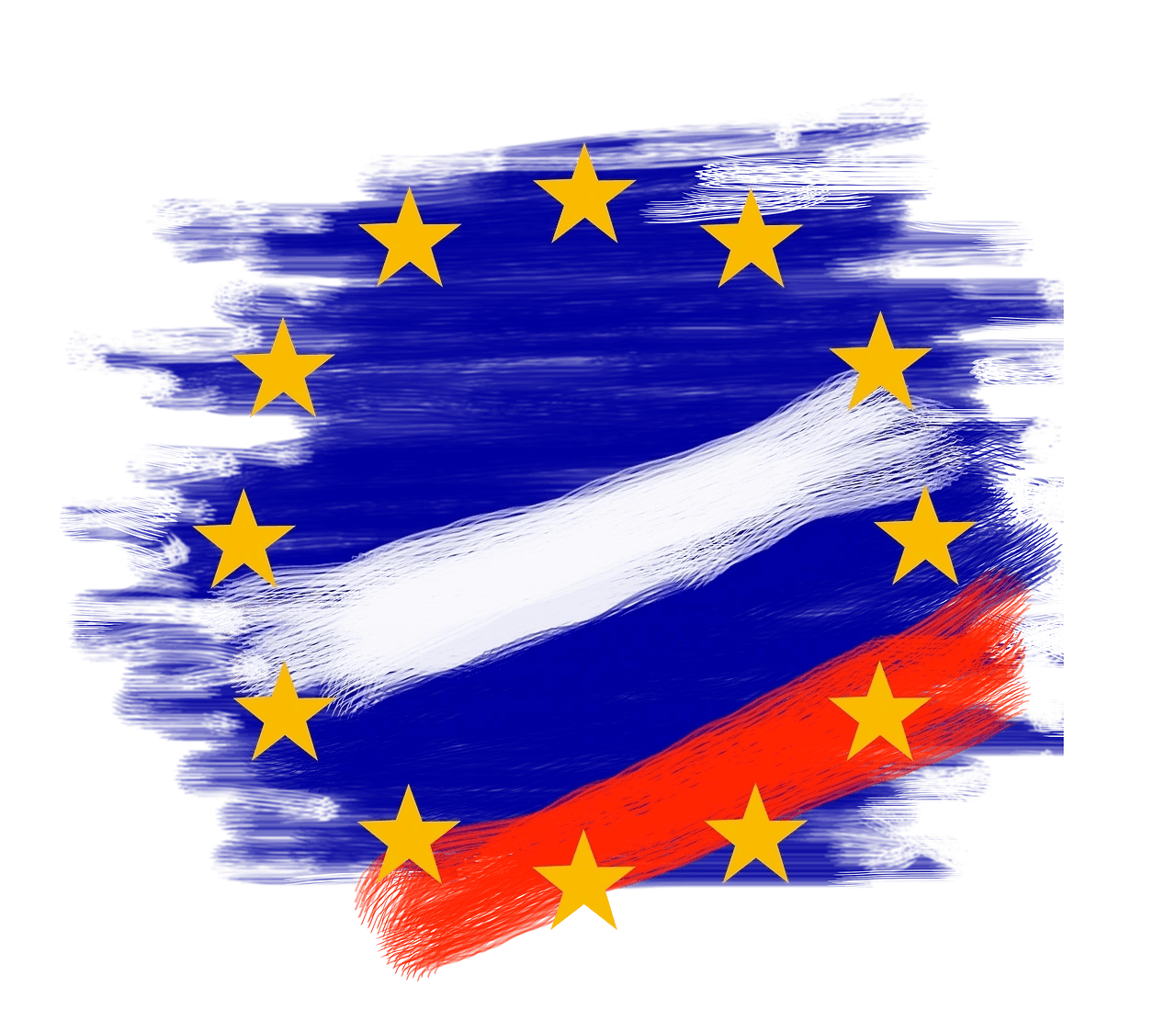
The Shift Towards Renewables in Southern Europe Post Russian Invasion
European Response to the Russian Invasion
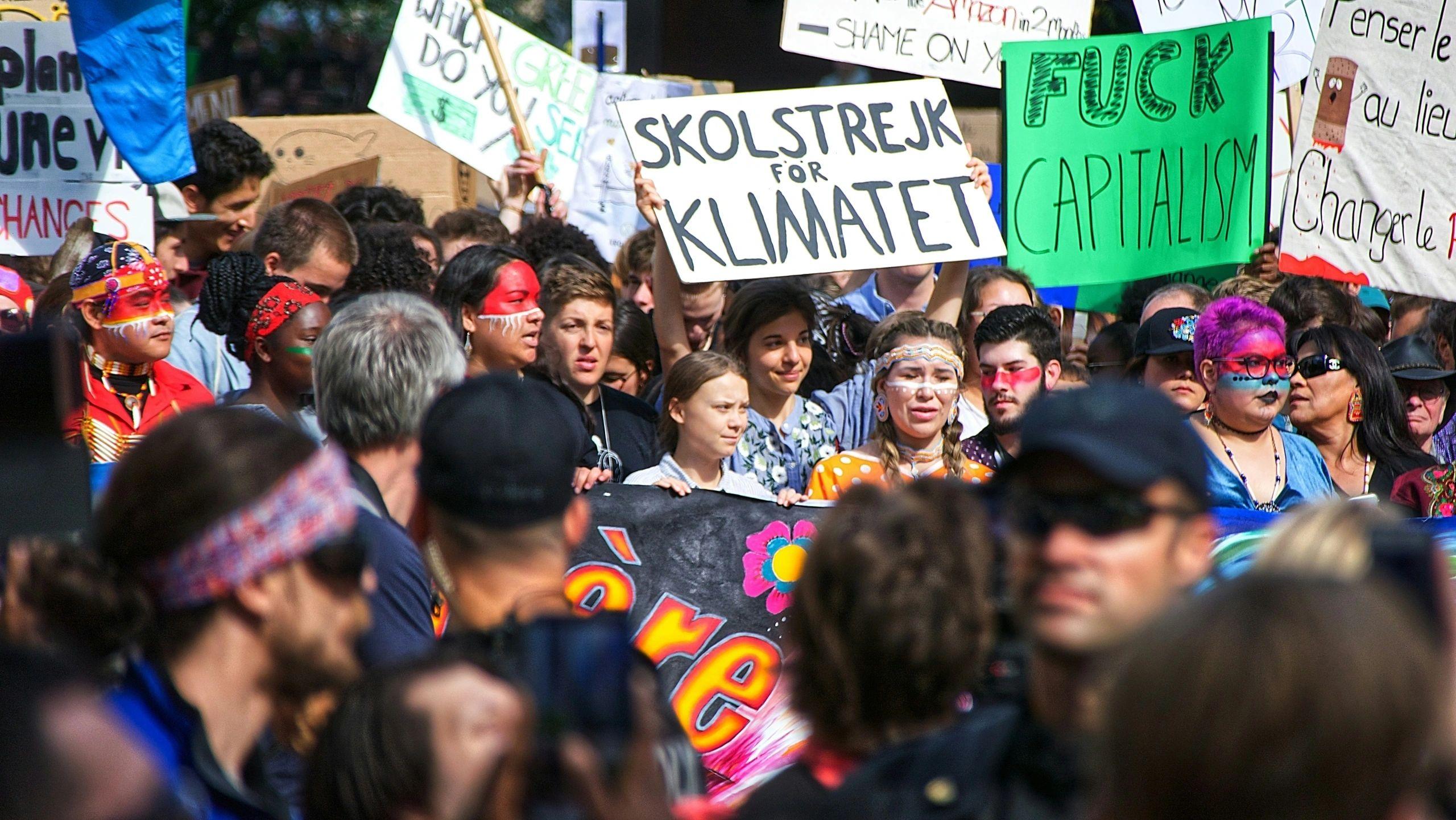
The “Greta Effect”: How Youth Climate Activism Shapes Policy Agendas
By Federica Marini

China's Dominance in The Green Transition and What This Means for the EU
Andrea Seet & Rocco Ramadori

Green energy in rural areas
The fight between technology and local communities
Building a Transparent Future: ESG and European Regulation
Tracing the development of ESG in Europe and the regulatory push toward clearer, more consistent sustainability reporting
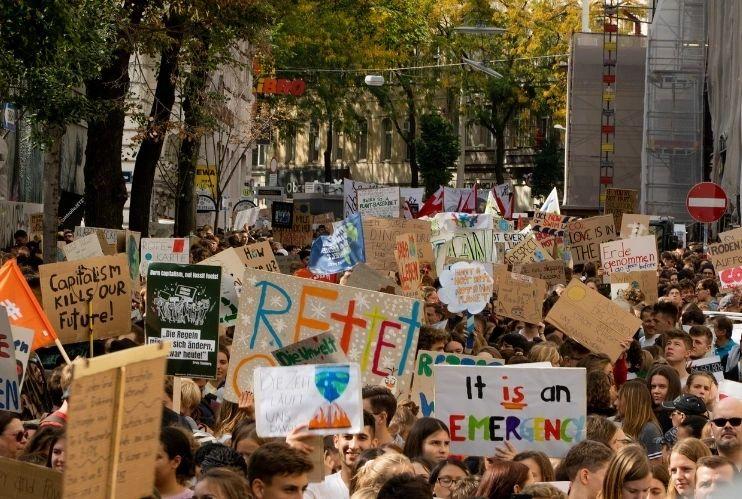
Climate Policy and Democratic Engagement: a struggling but vital dependency
The Climate Mandate Under Pressure