Commission
Immigration
The Immigration Commission focuses on analysing the challenges Europe faces today related to migration, and discussing the solutions offered so far as well as imagining new ones.
What We Do
The Immigration Commission is dedicated to producing high-quality analysis and papers focused on specific issues concerning immigration in the EU. Our activities include:
In-depth research and analysis of the challenges and opportunities pertaining to Immigration in the EU.
Critically assess the relevance of political discourse on migration in EU countries.
Development of innovative and concrete policy proposals based on scientific evidence and empirical data.
Collaboration with other VOYCE committees and external entities, whether private research centers or institutional, to broaden the perspective and impact of our analyses.
Presentation of our analyses and proposals to policymakers in Brussels and other European contexts, with the goal of positively influencing policy decisions.
Meet the Commissioner

Lia Bassanini is a French-Italian student passionate about all issues related to human rights, especially migration. After obtaining her BSc in International Politics and Government at Bocconi University, Milan, in 2025, she went on to pursue her studies at the Graduate Institute, Geneva, where she is focusing on international and development studies, specialising in Human Rights. Her goal is to work in NGOs or IOs focusing on migration-related topics. To further pursue her interests, she worked for 2 months as a member of the legal team of the Italian Council for Refugees. She then did a 4-months research internship at Fondazione Ing. Rodolfo Debenedetti under the supervision of Prof. Tito Boeri. She then interned at the Food and Agriculture Organisation, in the Statistics Division, further practicing and strengthening her data analysis and policy evaluation skills.
liacarlabassanini@gmail.comMeet the Fellows

Clément Levrat is a Swiss-French student entering the first year of his Master’s degree in European Affairs at the Université Libre de Bruxelles. During his Bachelor’s studies in Political Science and International Development at McGill University, Clément developed a strong interest in migration policy, human rights, and international affairs. Outside VOYCE, he is actively involved in several extracurricular activities related to these fields, such as volunteering with Amnesty International. After completing his studies, he aspires to pursue a career within European institutions, where he hopes to contribute to shaping their future direction.
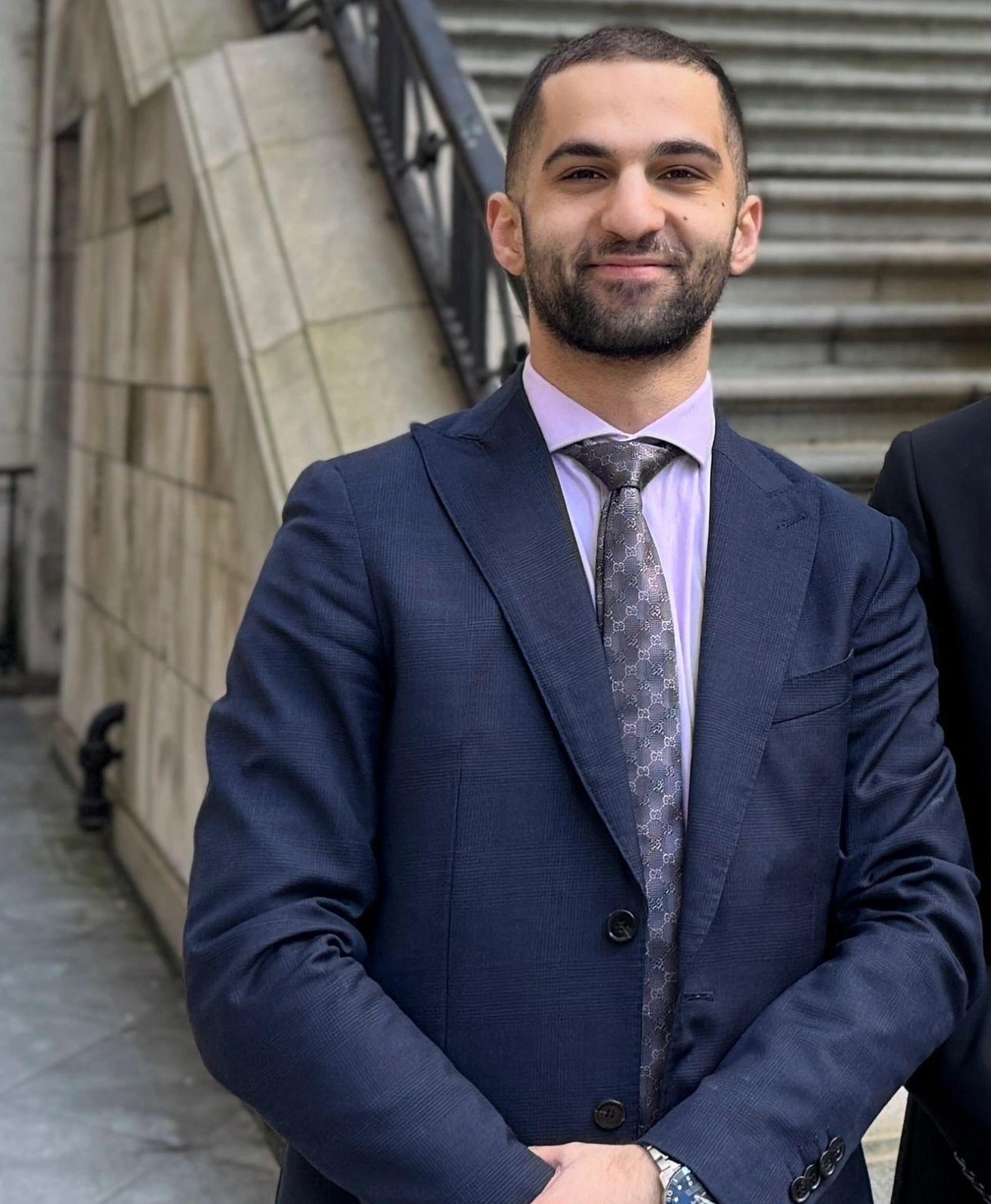
Keyan Roubaie is a British-born Iranian-Iraqi postgraduate student at King’s College London, where he specialises in the political economy of the Middle East. With a background in International Relations and fluency in English, French, and Farsi, Keyan’s work is grounded in cross-cultural communication and global policy engagement. His research explores protest narratives, informal governance, and the political dynamics of displacement and migration, particularly within authoritarian and conflict-affected regions. Having worked closely with French and Farsi-speaking communities, Keyan brings an intercultural insight into his policy advocacy, rooted in both academic study and professional experiences across Europe and MENA. He hopes to anchor his advocacy skills to engage in inclusive dialogue, contribute to policy forums and support migrant and diaspora communities by amplifying their voices, connecting lived experiences to broader political structures, and fostering collaborative spaces for empowerment.

Antonino Enrico Repaci is an Italian student with a strong curiosity about how politics, policy, and diplomacy shape Europe from within. He completed a BSc in International Politics and Government at Bocconi University in July 2025 and began an MSc in European and International Politics and Policy at the London School of Economics the following September. To further pursue his interests, Antonino interned at the Italian Ministry of Justice, where he worked on EU cohesion policy, drafting a research report based on European legal documents and statistical data. He then completed an eight-month internship at Magic Amor ETS as a Junior Analyst in international cooperation, where he analyzed EU policies on international cooperation and development and wrote multiple research papers. Overall, Antonino hopes to build a career in EU diplomacy, where he can help shape policies that make European institutions more democratic, cohesive, and globally engaged.

Tomás Consonni is an Italian-Brazilian student with a strong interest in the relationship between economics and politics in Europe. He is currently in his third year of the International Politics and Government program at Bocconi University. He is particularly drawn to research on topics such as inequality, migration, and causal inference. He regularly engages with economic and political debates and deepens his understanding through academic work and personal study. He aims to further develop his research skills and contribute to addressing policy challenges in Europe in the future.
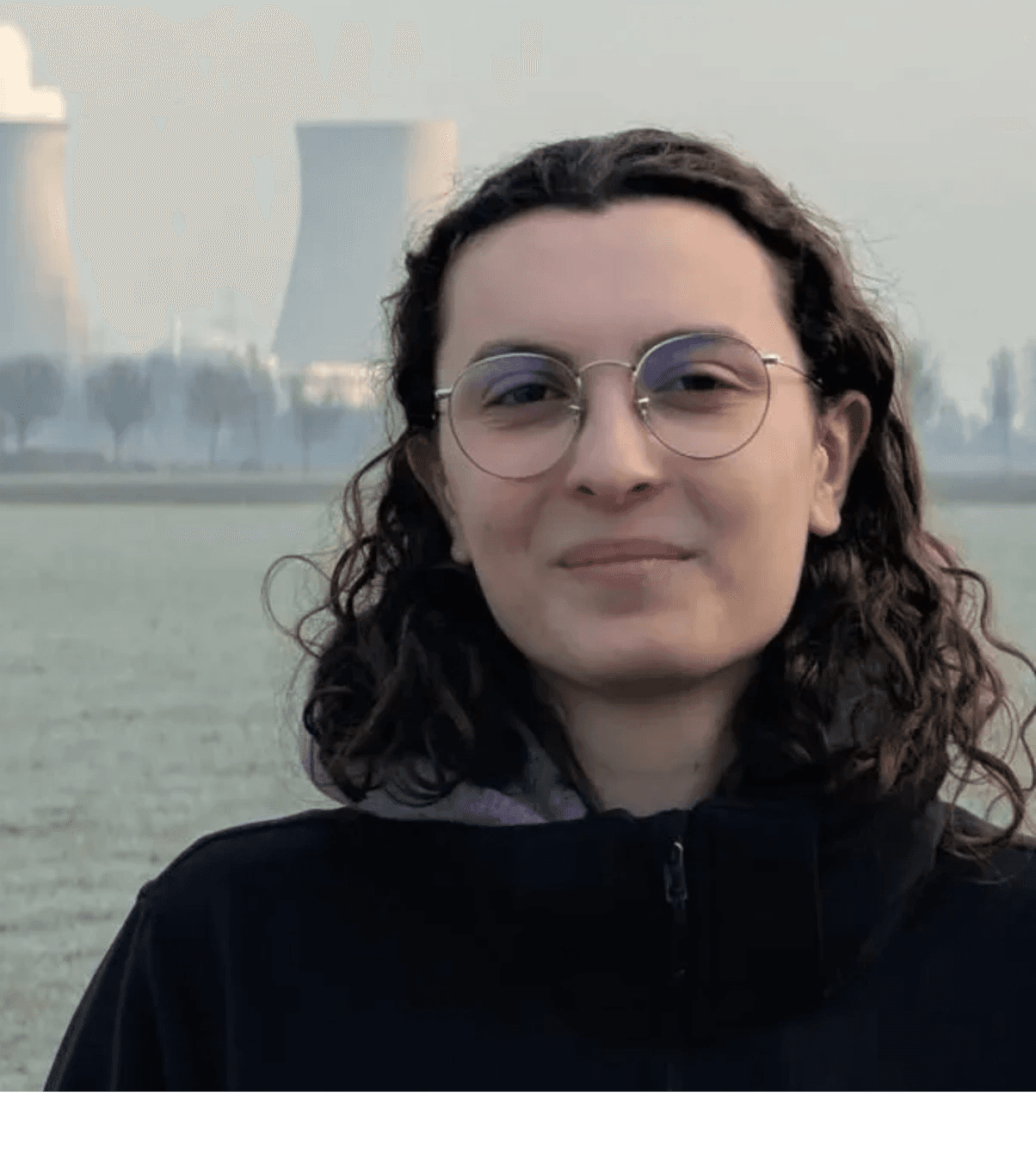
Agnese Coletta is an Italian student heading into her third year at Maastricht University, pursuing an LLB in European Law. She has a strong interest in European and international law, with a particular focus on social justice, migration, human rights, and democracy. Beyond her studies and her involvement in VOYCE’s Immigration Commission, she is also a writer for the Maastricht Journal of Politics and Economics, producing articles on politics, economics, and global issues. She has a passion for writing and hopes to pursue a career in international law or public policy.

Rusa Malaguradze is a Georgian student of International Politics and Government at Bocconi University, in her final year. Her interests lie in migration, equality, and political economy, with a particular focus on how these issues shape European integration. Alongside her studies, she is a member of "12 Sartuli", a newly formed youth political movement in Georgia that stands in opposition to the current government and advocates for the country’s European future. She is also completing a creative communications internship at More is Love, a Georgian fashion brand, reflecting her passion for fashion and cultural expression.

Sinem Øzbal
Sinem Øzbal is a Norwegian-Turkish Politics & International Relations student at the London School of Economics, studying across Lisbon, Paris, and Berlin through Forward College. She has a strong interest in international security and the interaction between state interests and global governance challenges. Alongside her studies, her experience is grounded in cross-cultural communication and humanitarian engagement, shaped through several volunteer roles and leadership positions, including her involvement in ANSA (Association of Norwegian Students Abroad), where she contributed to institutional collaboration and communication in a multi-cultural environment. Motivated by opportunities for cross-sector engagement, she seeks to foster global cooperation and strengthen humanitarian action and social justice, particularly in areas related to migration and children’s rights. Her interests further extend to political economy and the increasing role of technology and artificial intelligence in shaping global affairs.
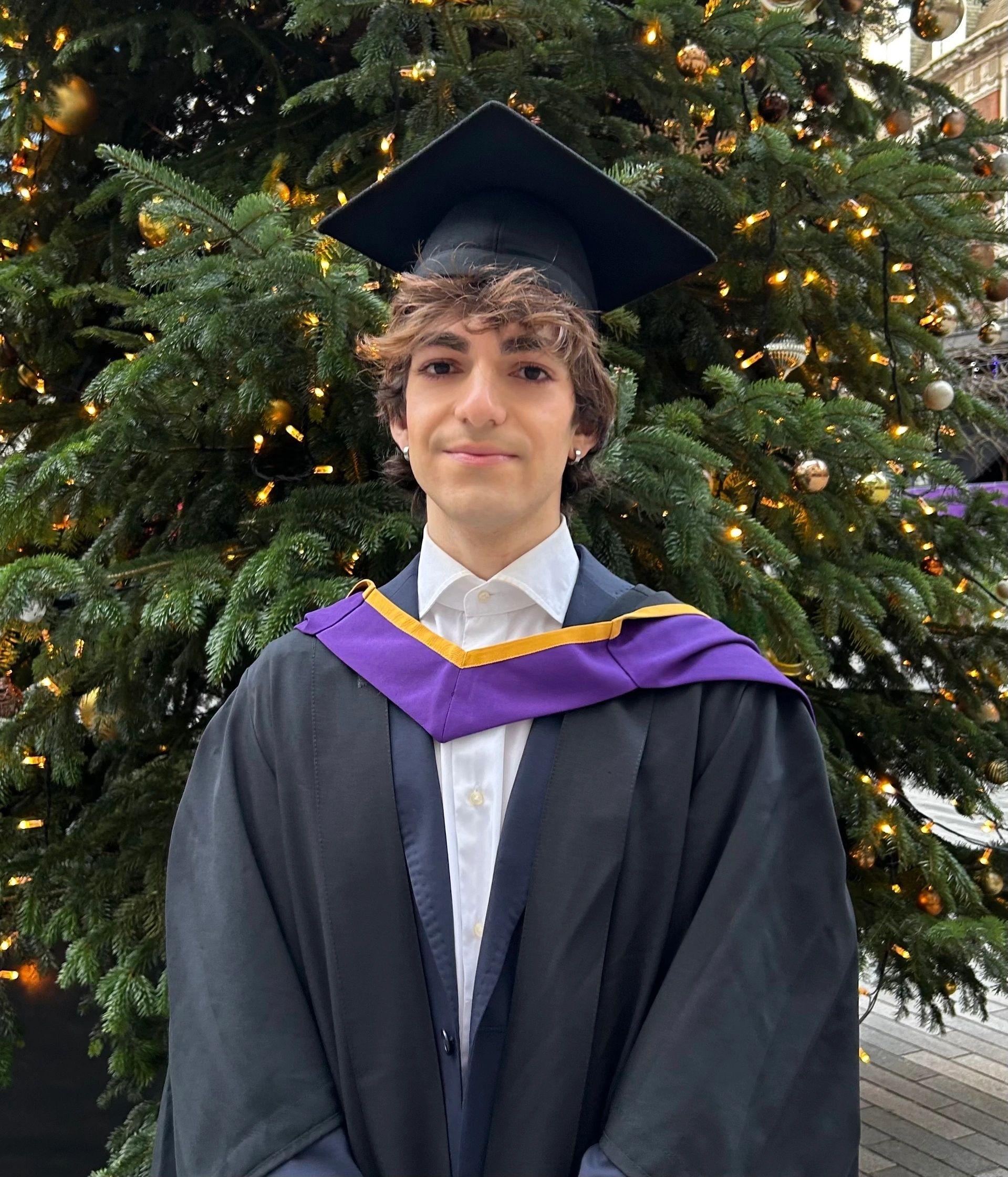
Filippo Negri
Filippo is an Italian postgraduate in European and International Public Policy at the London School of Economics, having previously completed a BSc in International Politics and Government at Bocconi University. He is currently working for a political monitoring firm in the United Kingdom, where he supports clients in navigating the political and policy landscape. He aspires to continue a career in public affairs, with a strong interest in evidence-based policy analysis and a particular focus on labour markets and welfare states. Through his academic background and professional experience, he aims to contribute to informed social sciences policy-making grounded in empirical evidence.
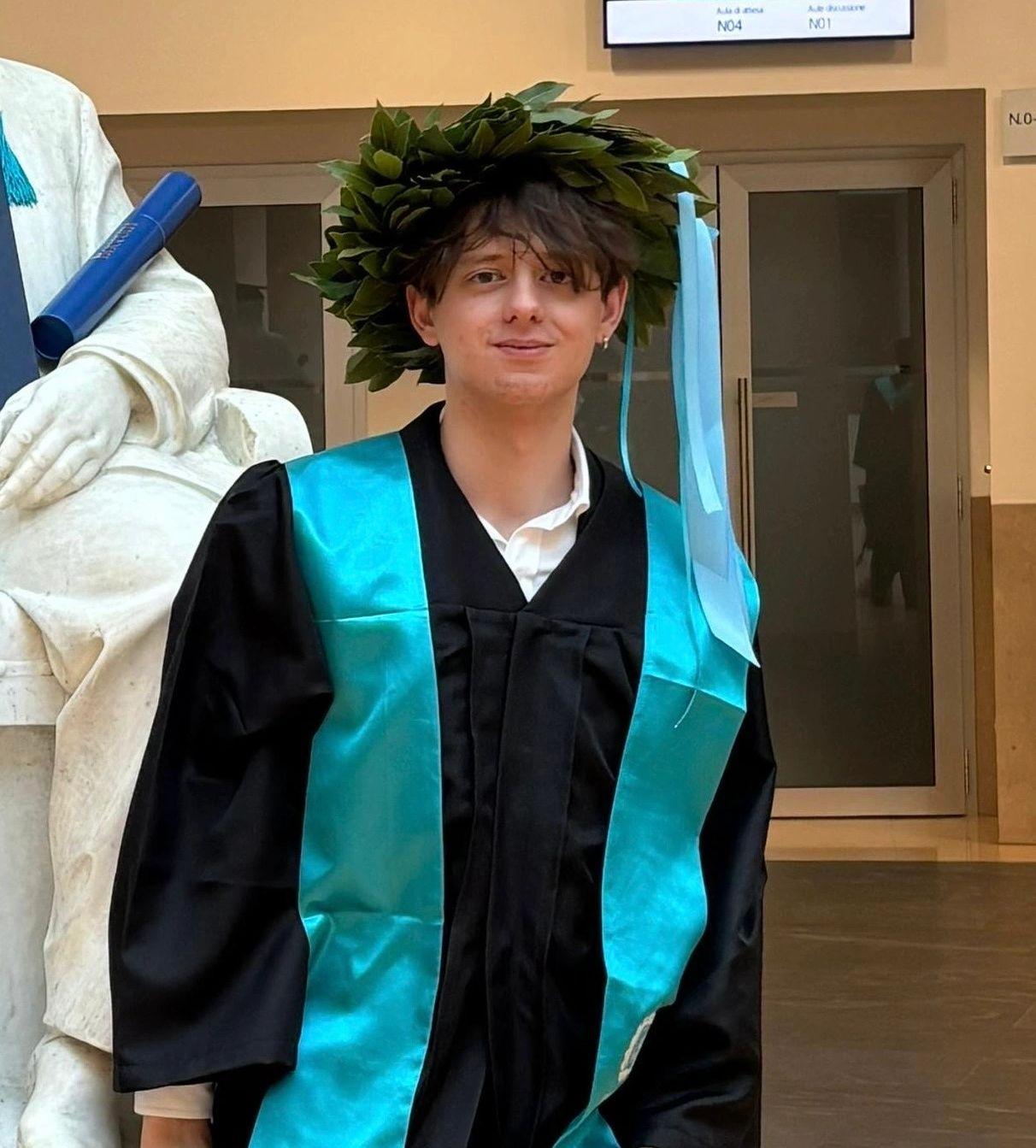
David Malacarne
David Malacarne is an Italian graduate of the LSE–Bocconi double degree in Public Policy and Policy Analysis, where he specialised in labour, migration, and welfare economics, with a strong focus on applied microeconometrics. Alongside his studies, David has gained extensive research experience at Bocconi University, the University of Birmingham, and UC Berkeley. His work spans a range of topics, including migration and labour market dynamics, public safety, AI-driven job displacement, education, and social policy evaluation. In the long term, David aims to pursue a career as an economist focused on the evaluation of public policies, with the goal of informing more effective and equitable policy design.

Egemen Aray
Egemen is a Turkish master’s student in Social Sciences at the University of Chicago, where he is concentrating in Political Science and pursuing a Graduate Certificate in Computational Social Science. He obtained his bachelor’s degree in International Politics and Government from Bocconi University, where he developed a background in European politics and economics and spent an exchange semester at Sciences Po. He has held multiple research, editorial, and policy positions, including research assistantships at Bocconi and Humboldt University, where he contributed to research on democracy and Islam in Indonesia and Turkey. Currently, in addition to serving as a Policy Adviser to the youth branch of Turkey’s main opposition party, the Republican People’s Party, he is also a Graduate Student Affiliate at the Chicago Center on Democracy, a Pritzker Fellow Ambassador at the University of Chicago Institute of Politics, and a Graduate Student Fellow at the International House. His interests include migration, gender, and democratic backsliding, with a geographical focus on Turkey, Europe, and the Middle East, and he ultimately aims to pursue a career in European affairs.

Anna Puricelli
Anna Puricelli is an Italian student with a strong interest in the economic and social implications of migration. She is currently in her second year of the Master’s degree in Economics and Social Sciences at Bocconi University and is currently a visiting student at the SMU School of Economics in Singapore. She is particularly drawn to research on how migration shapes labor markets, productivity, and long-term economic growth. Her interest in this field stems from its crucial role in shaping and transforming many countries, such as Italy, as well as from a desire to bring clarity to a topic that is often discussed superficially and without sufficient empirical evidence.

Paulius Danielius
Paulius Danielius is a Lithuanian undergraduate student currently studying Economic and Social Sciences at Bocconi University in Milan. He is in the process of developing his research and writing skills while building a strong foundation of knowledge across a variety of fields. He seeks to integrate these perspectives into his analysis of
Ilaria Ronconi
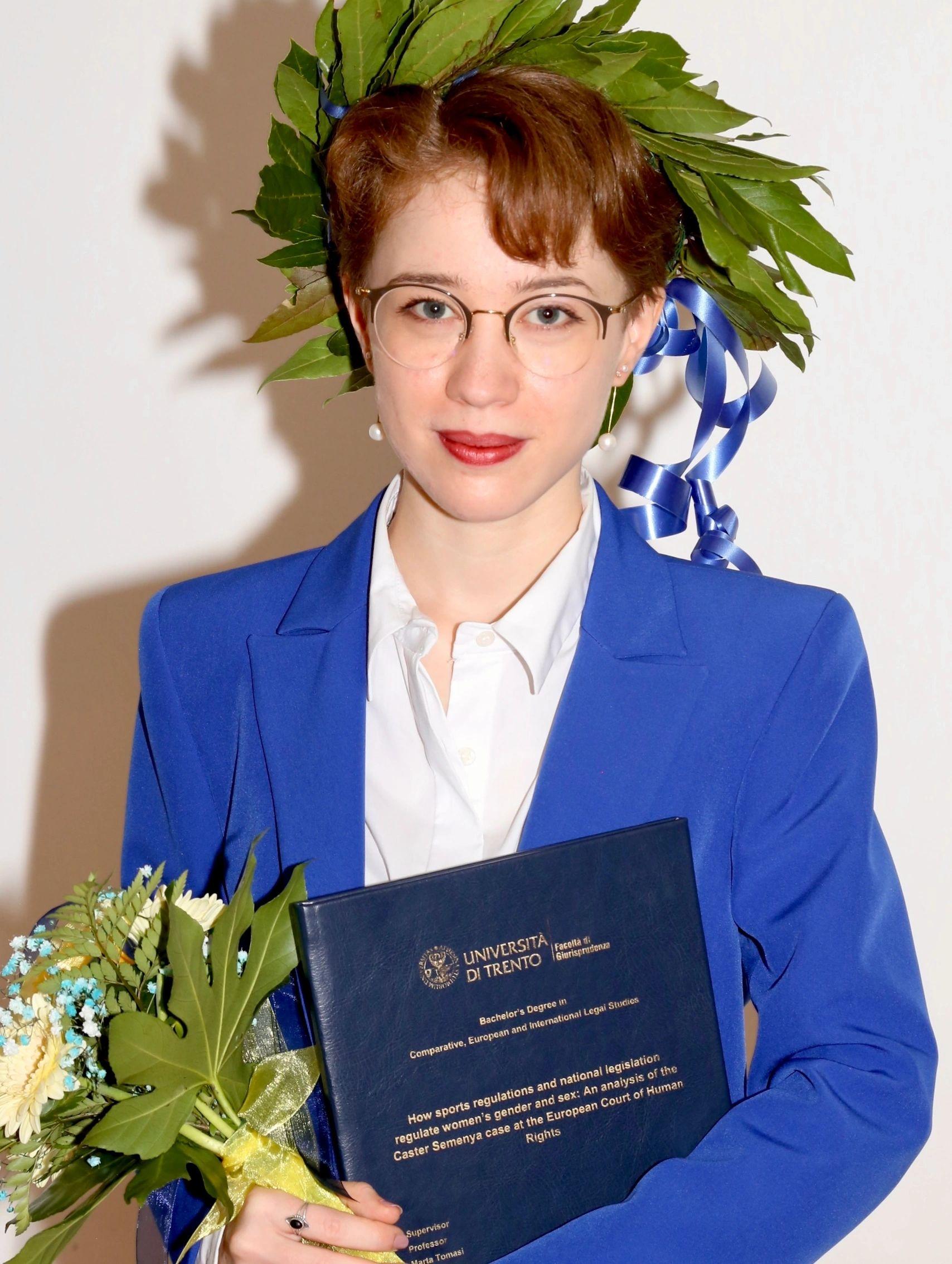
Ilaria Ronconi is an Italian graduate in European Law from Utrecht University (2025) and, before that, from a Bachelor’s degree in International, European and Comparative Law at the University of Trento. Her interests lie in European law, fundamental rights and external relations, with a particular focus on EU asylum law. Outside VOYCE, s
Articles
Opinion: The Baltics and Migration - A Love and Hate Relationship
Bulgaria’s Reception System
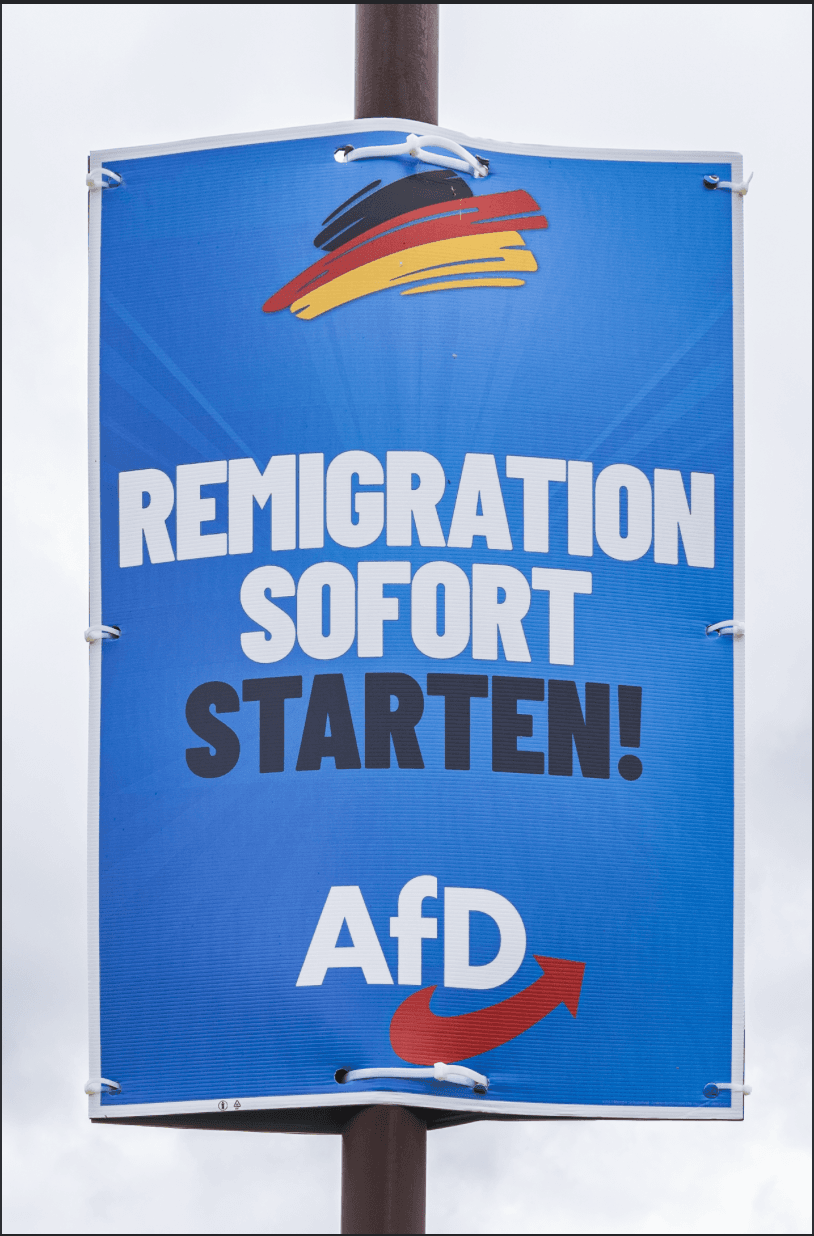
The Political Rise of ‘Remigration’

Intelligence and Epistemic Capacity in EU Immigration Governance
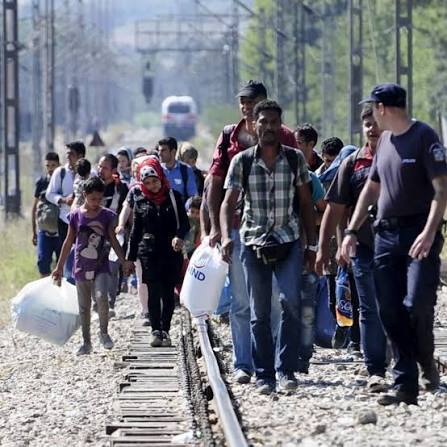
The (Un)Welcoming Hands: the EU’s Reception Pathway
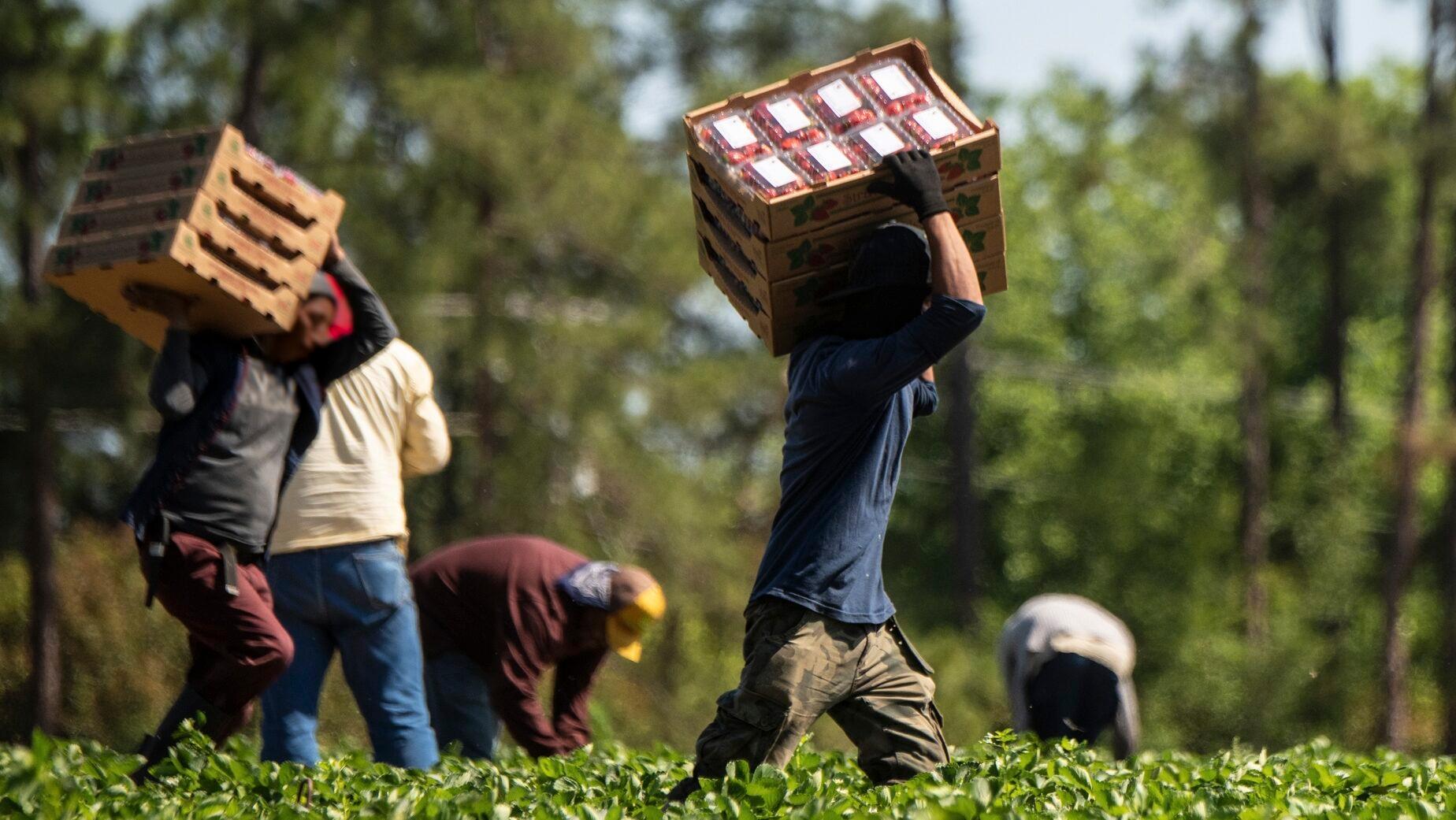
Improving the Recognition of Extra-EU Qualifications

The politicisation of Search and Rescue organisations
Is Brain Drain the Hidden Cost of Free Movement?
The Pact’s Implementation: Why Are States Falling Behind
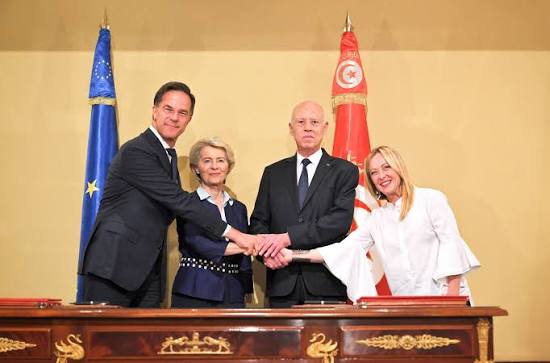
The EU - Tunisia Deal: Three Years Later
Limits of Dédiabolisation: The National Rally on Immigration
French Rap and the Politics of Immigration in Contemporary France
Migration, Elections and the Politics of Fear
Opinion: Acceptance as The Normative Ethical Migration Policy
Issue Linkage: Conditionality in EU Migration Policy
Can Europe Catch Up in the Global Race for Talent?

How EU integration repeatedly penalizes migrant women
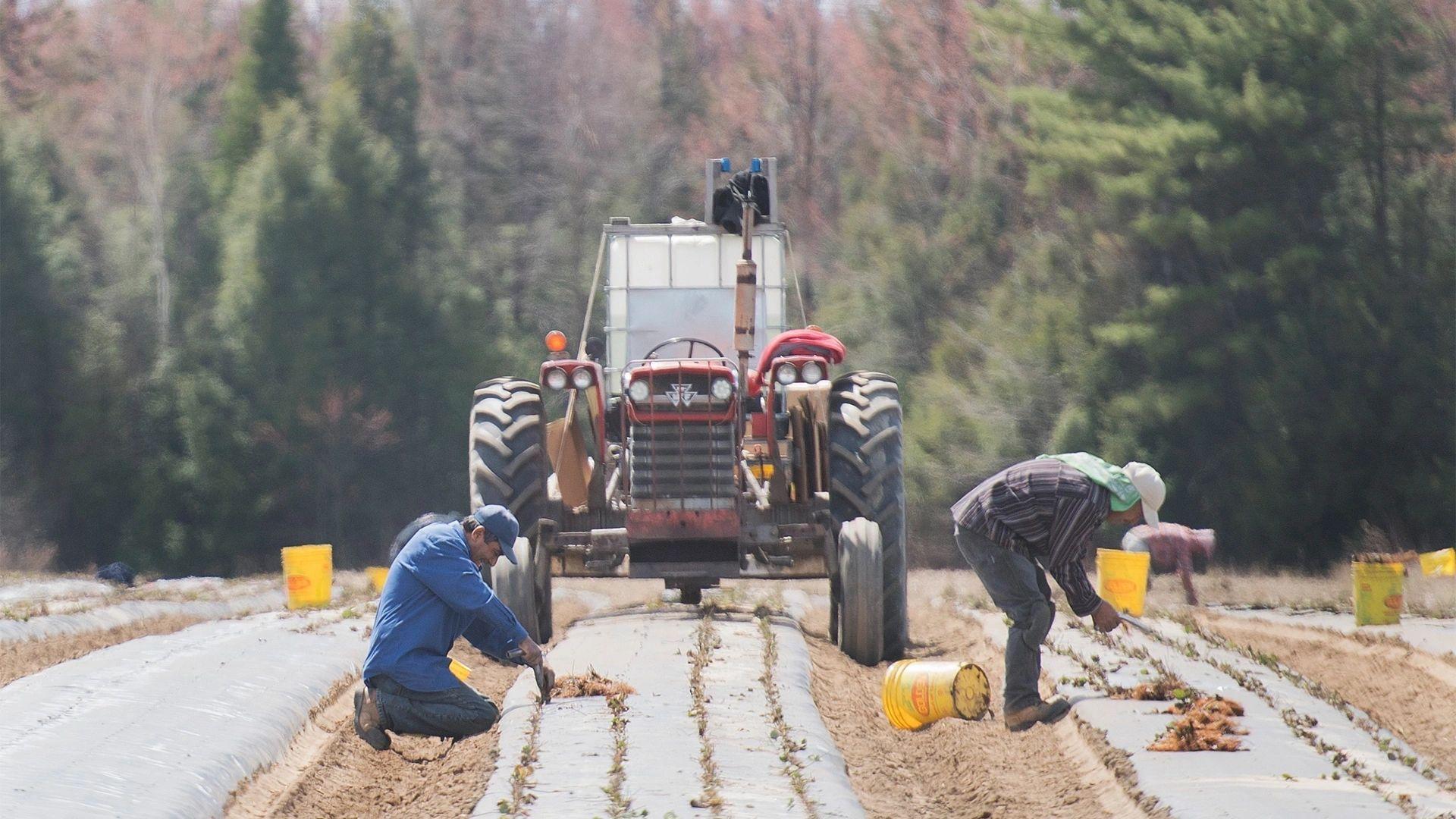
Can EU seasonal worker visas solve labour shortages without exploiting migrants?
By Agnese Coletta
The Overlooked: International Migrants in EU Rural Areas
By Paulius Danielius
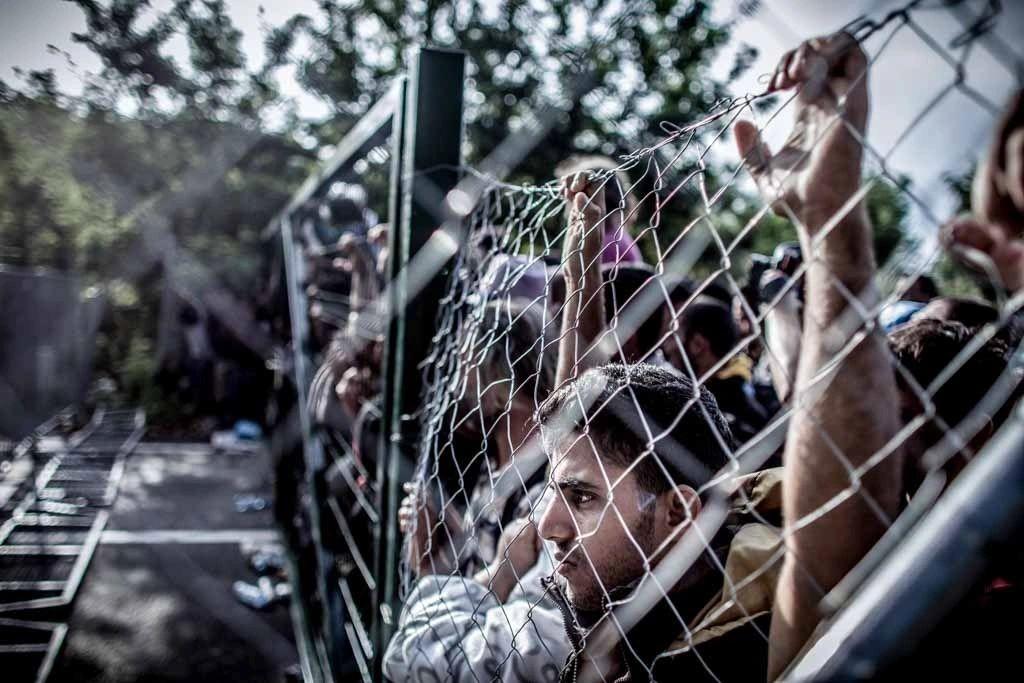
The EU’s response to the instrumentalisation of migration
By Lia Bassanini

A Comparison of EU and UK Approaches to Irregular Migration
by Clément Levrat & Antonino Enrico Repaci
Gender-Based Asylum in EU Law: the CJEU’s Evolving Role
Ilaria Ronconi
Golden Passport Schemes: Commission v. Malta
By Agnese Coletta
EU migration regularisation: Drivers and outcomes
Solidarity in Question: The EU's First Migration Management Cycle
by Antonino Enrico Repaci
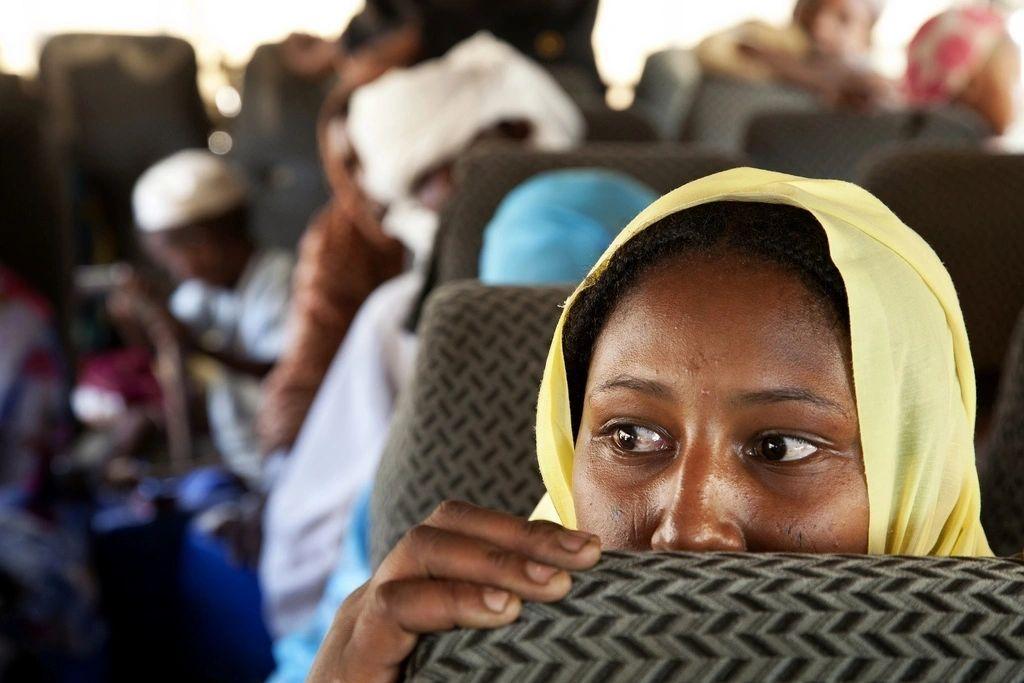
Choice or Coercion? Returns in The EU
By Agnese Coletta
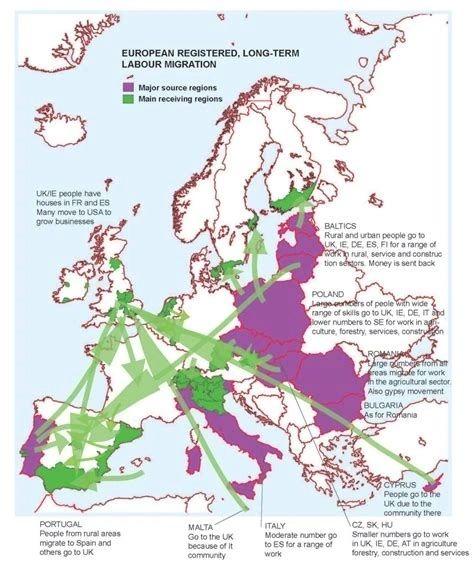
Employment Bans and the Economic Impact of Asylum Seekers
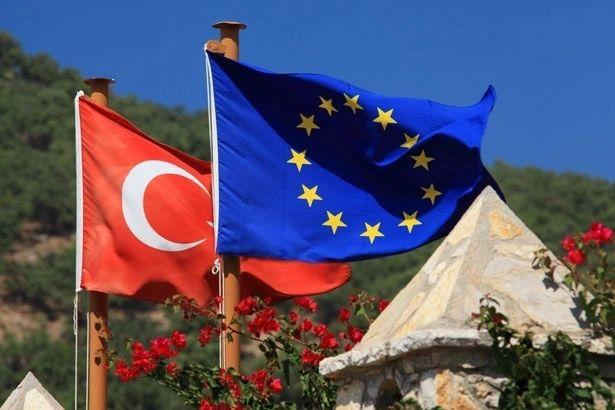
An Analysis of EU Visa Regime to Turkey: Who is to Blame?
By Egemen Aray
Can Immigration Help Sustain Europe’s Pension Systems?
By David Malacarne
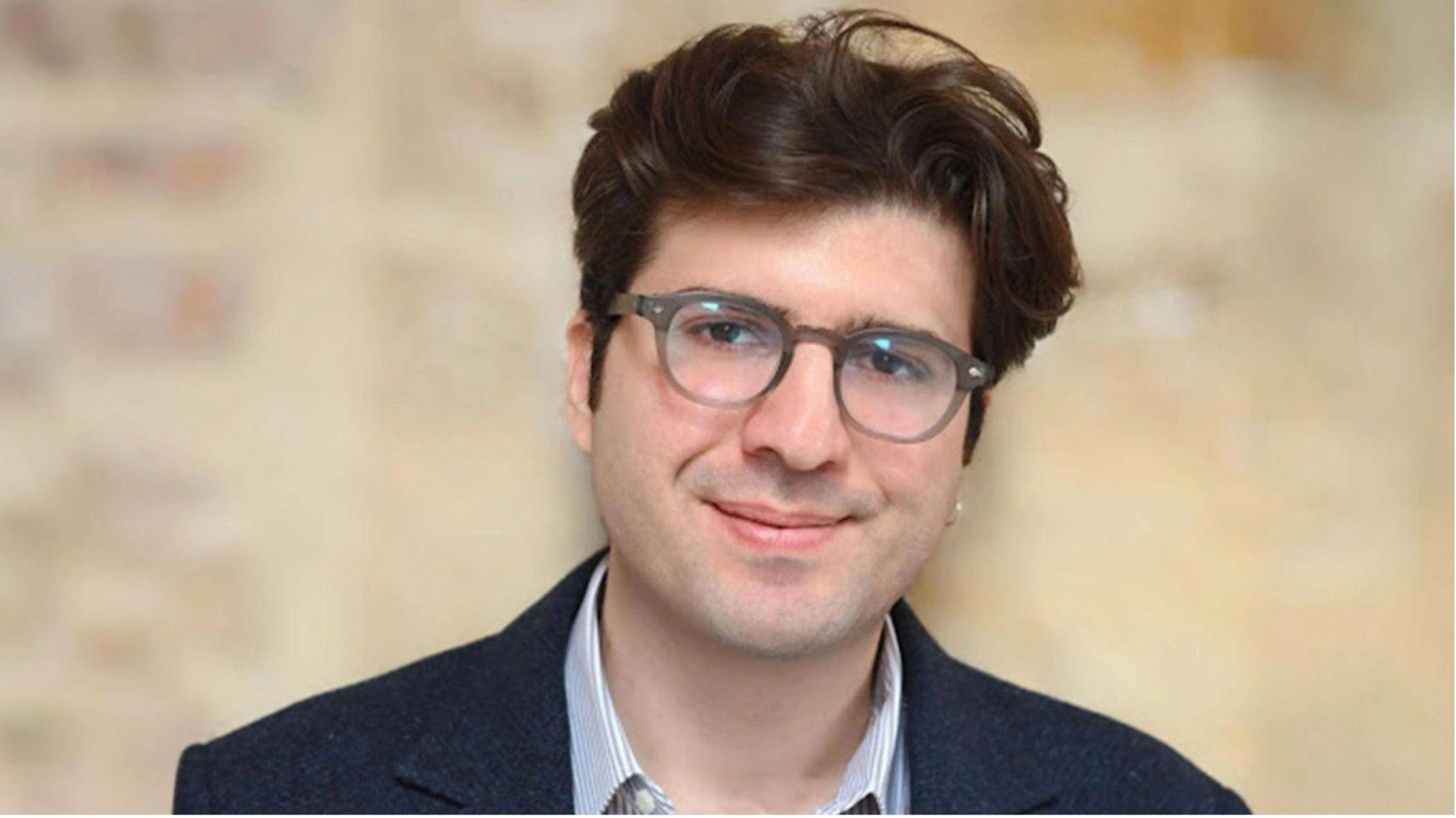
Interview with Can Simsek
By Rusa Malagurdze
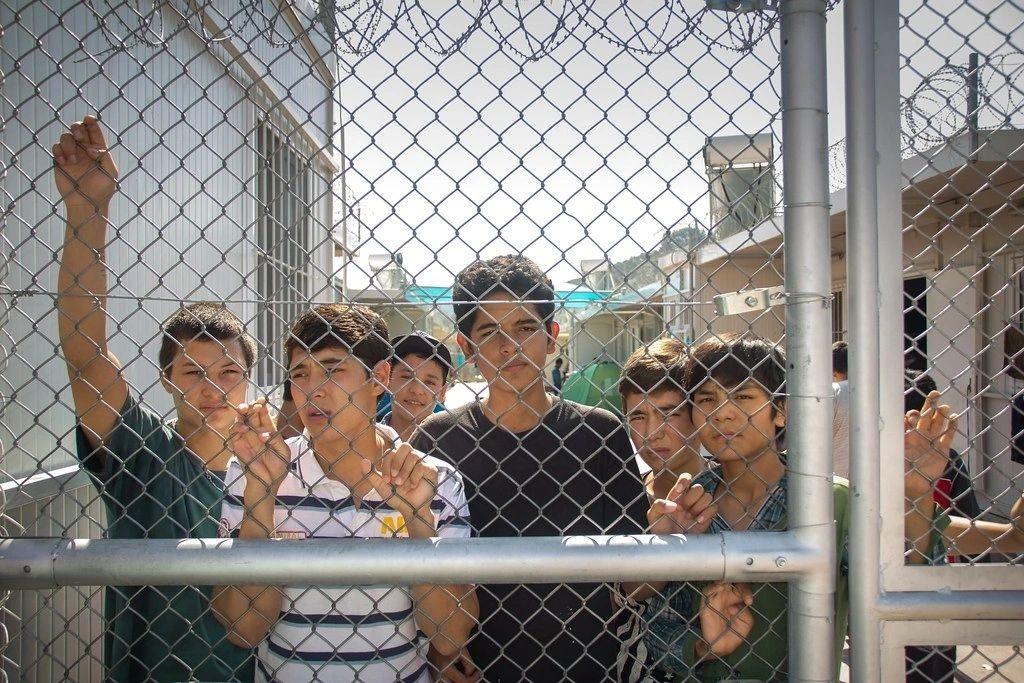
Unaccompanied Minors in the EU: Legal Frameworks and Challenges
By Agnese Coletta

The Safe Country of Origin Concept in EU Law
By Ilaria Ronconi
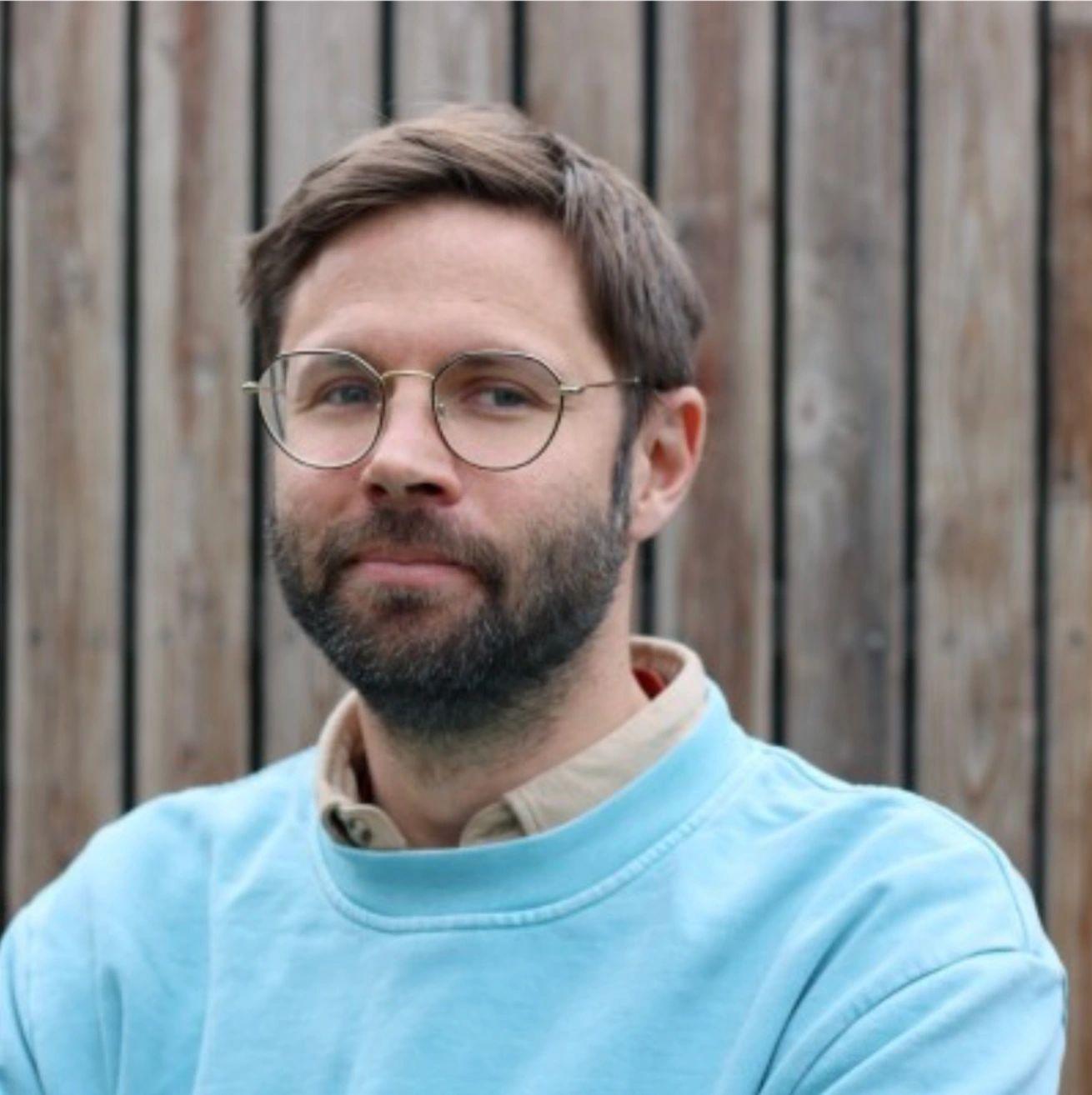
Interview with Johan Ekstedt
By Clément Levrat
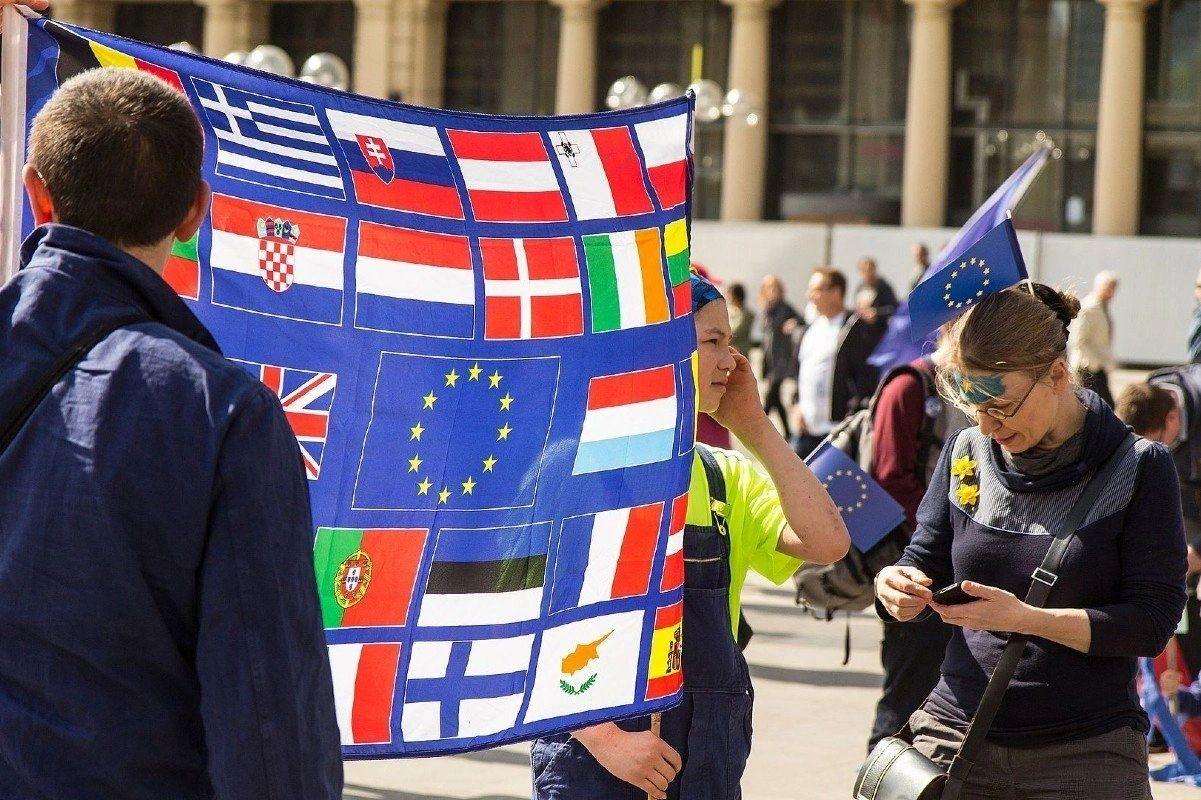
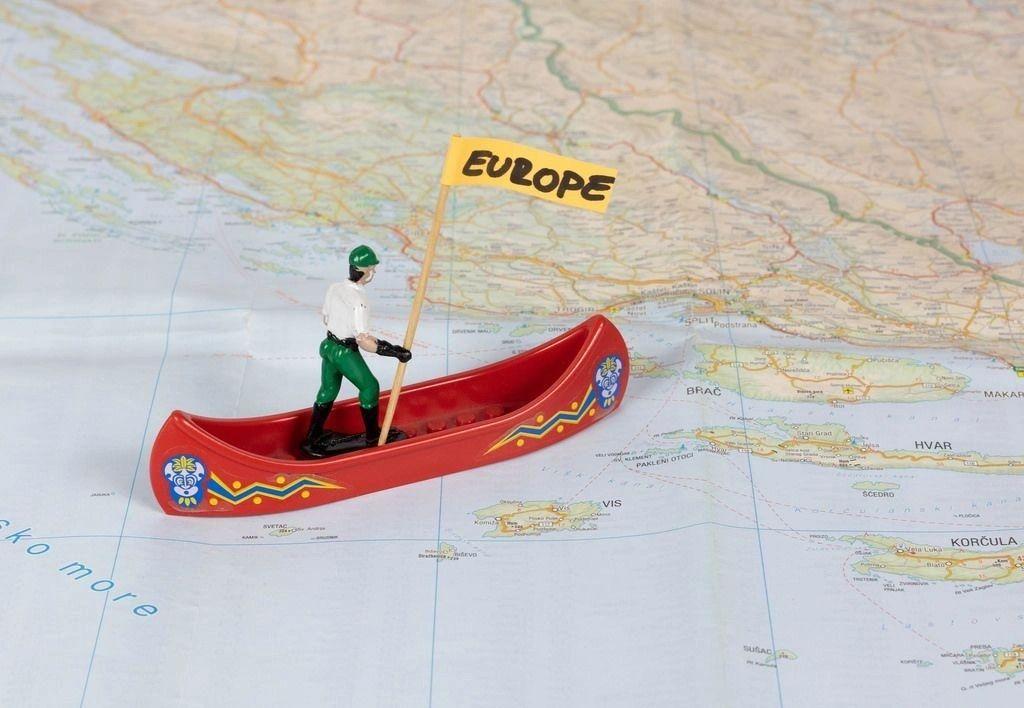
Can immigration help Europe overcome its demographic decline?
Immigration and Welfare States: Public Finance Concerns in the Policy Debate
By Filippo Negri
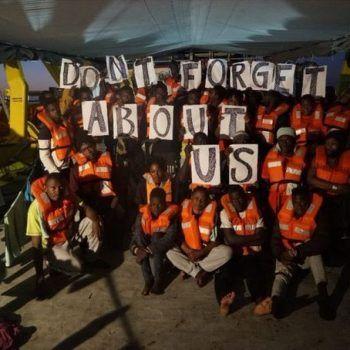
A System Designed to Fail? The Limits of Asylum Reception in Spain
by Antonino Enrico Repaci
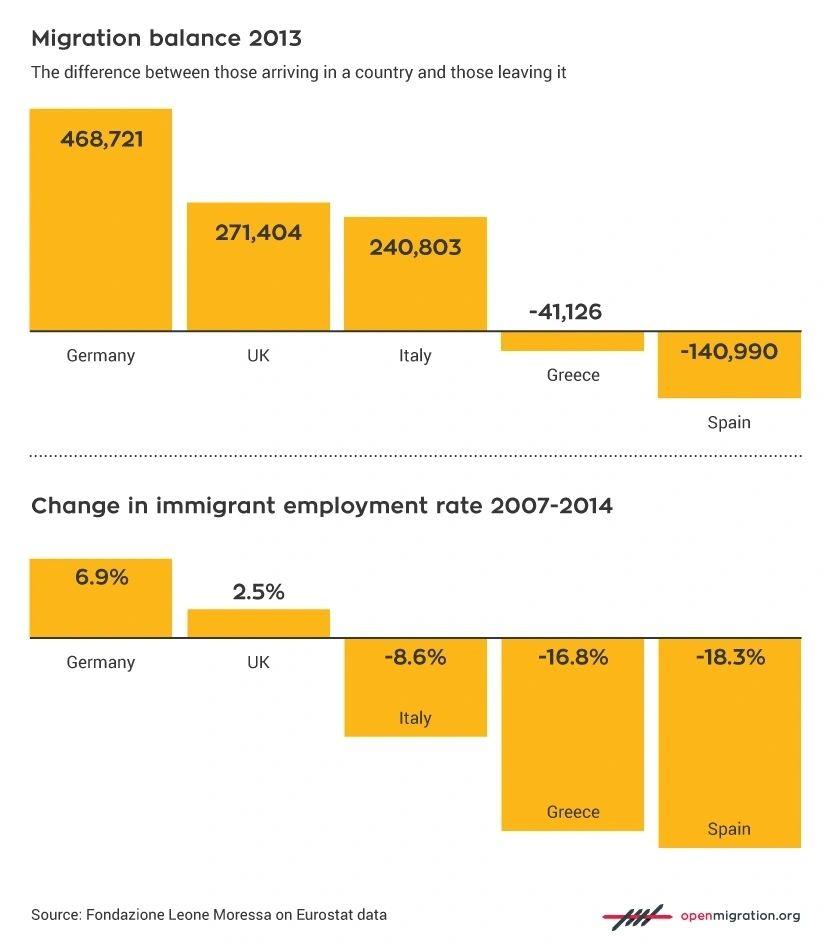
Impact of Immigration on Natives’ Wages & Political Backlash
By David Malacarne
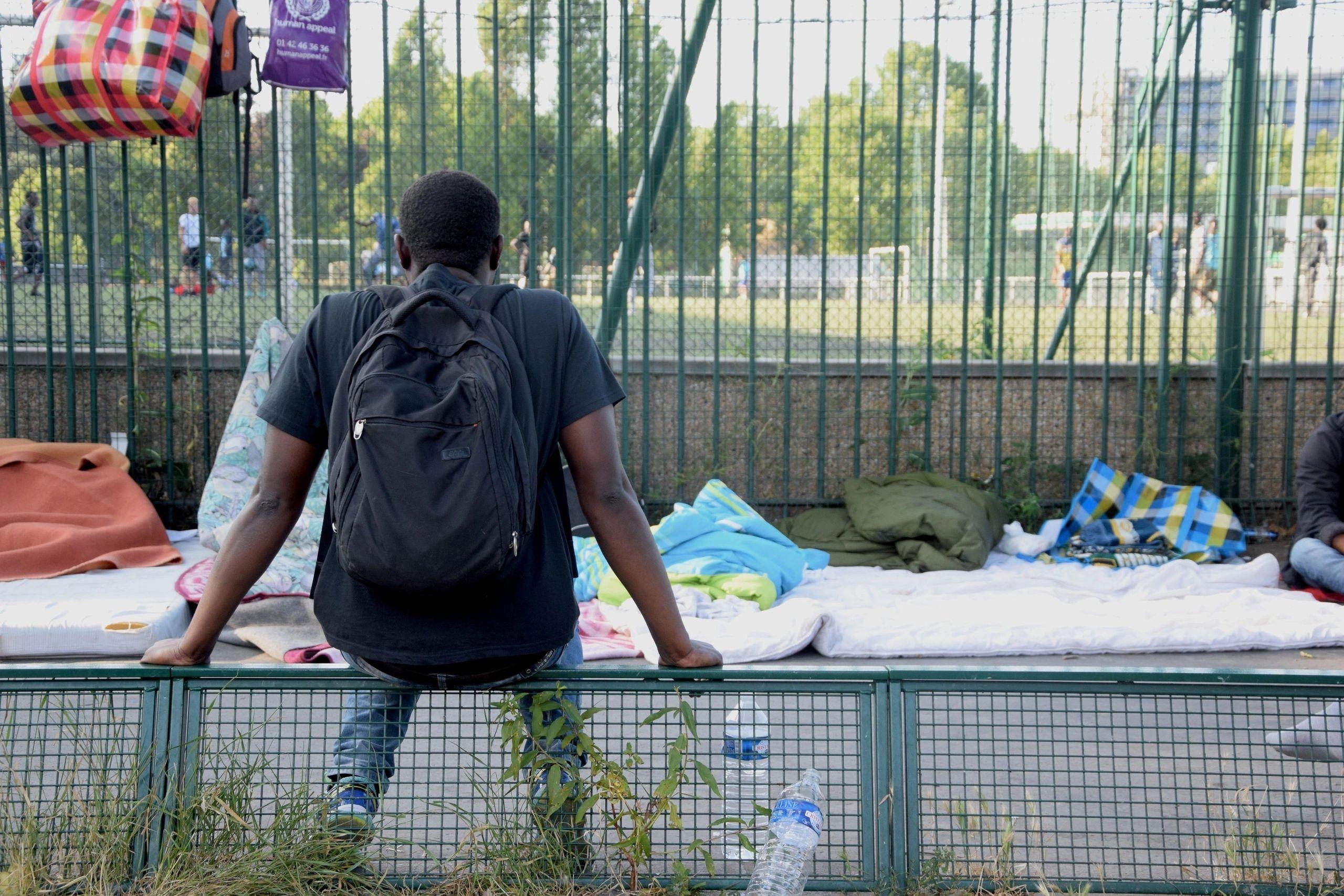
Living Conditions in Reception Facilities: Between EU Law and Reality
By Agnese Coletta
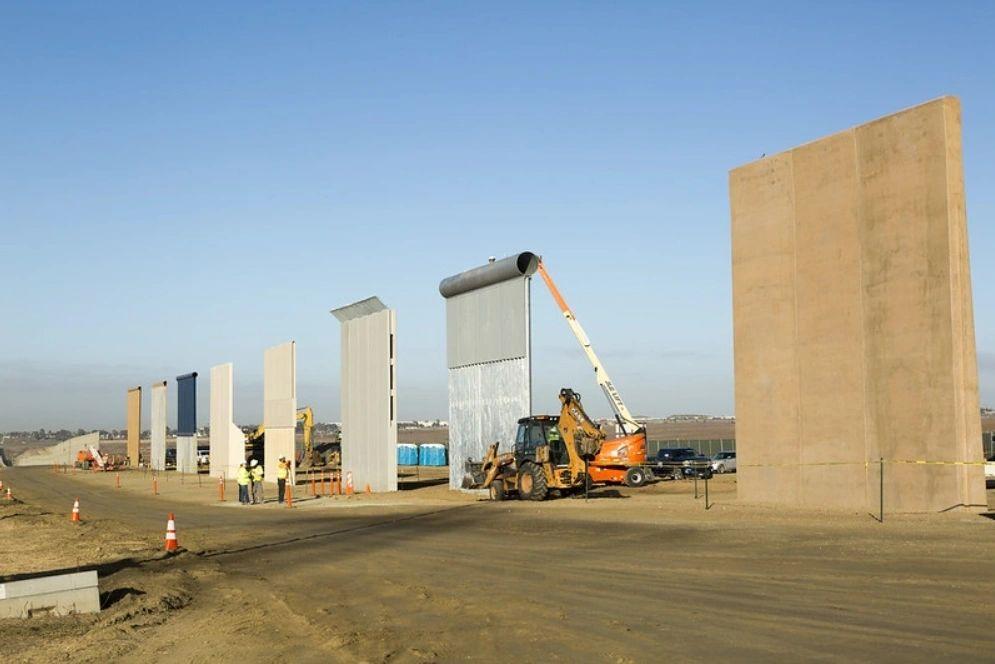
Digital Border and its Human Consequences in the EU
By Rusa Malagurdze
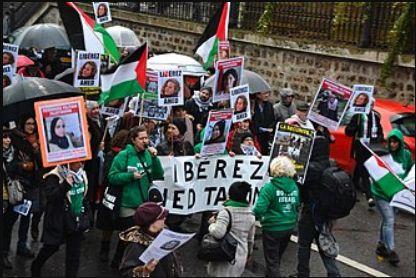
From Gaza to the Banlieues: The Intifada as Europe’s Fault Line

The study trajectories of second-generation immigrants in the European Union
By Lia Bassanini

Does the new Pact effectively balance between Member States’ interests and migrants’ rights?
By Clément Levrat
Does the Pact balance state interests with migrant rights?

Will climate change really lead to mass migration?
By Evan Rouxelin
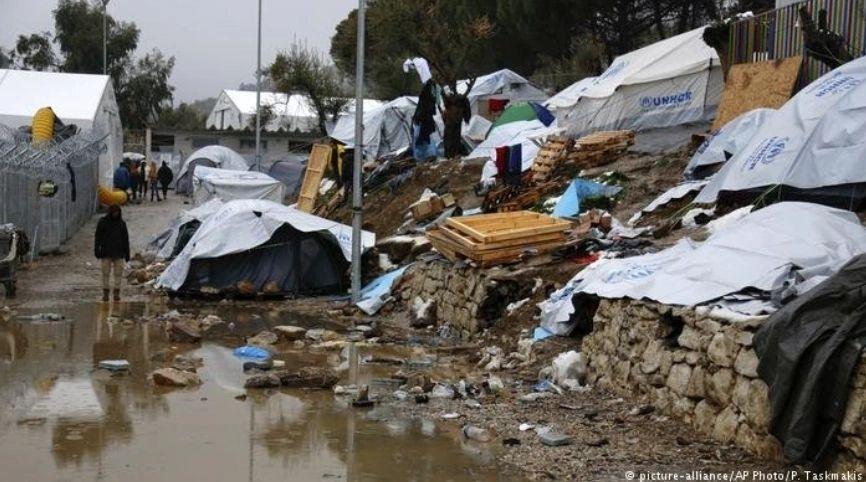
Institutionalized Precarity: Living Conditions in Greek Refugee Camps
by Antonino Enrico Repaci
Climate Displacement and Recognition Under EU Refugee Law
By Agnese Coletta
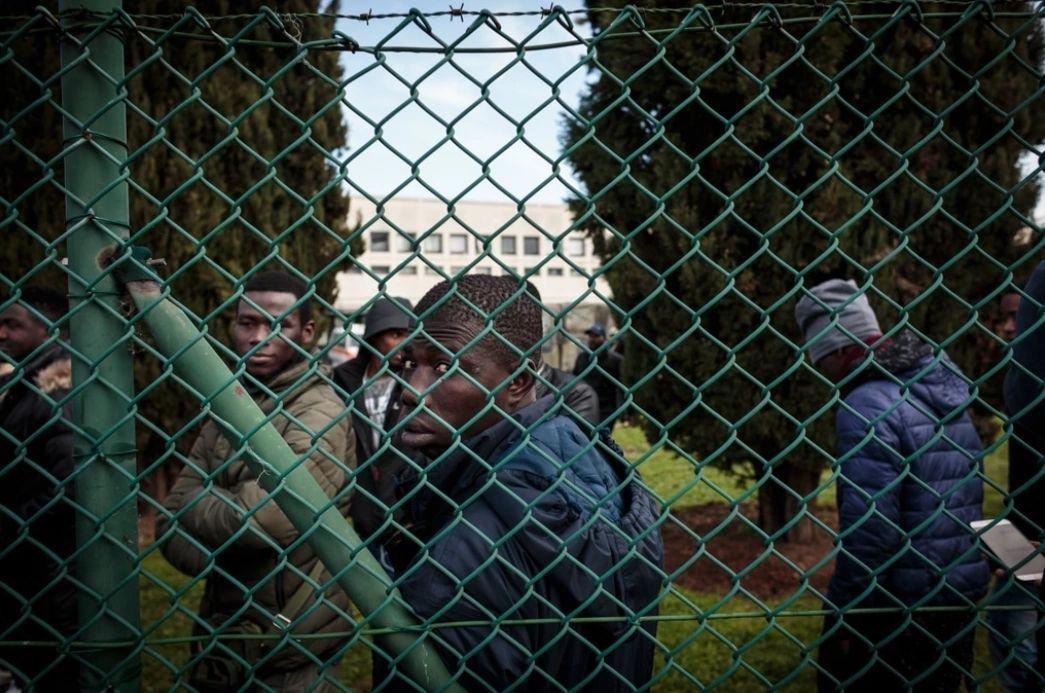
Between Policy and Neglect: The State of Refugee Centers in Italy
By Antonino Enrico Repaci
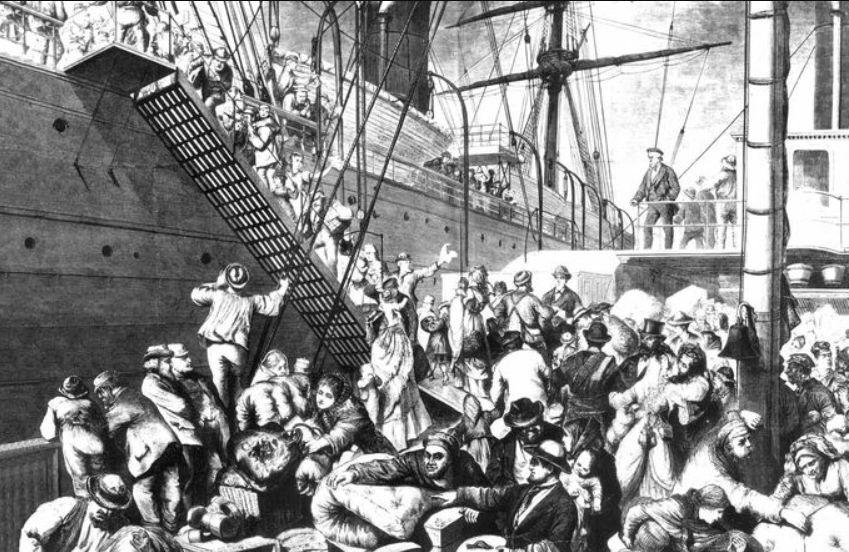
How have the industries immigrants work in changed over the past 15 years?
By David Juricek
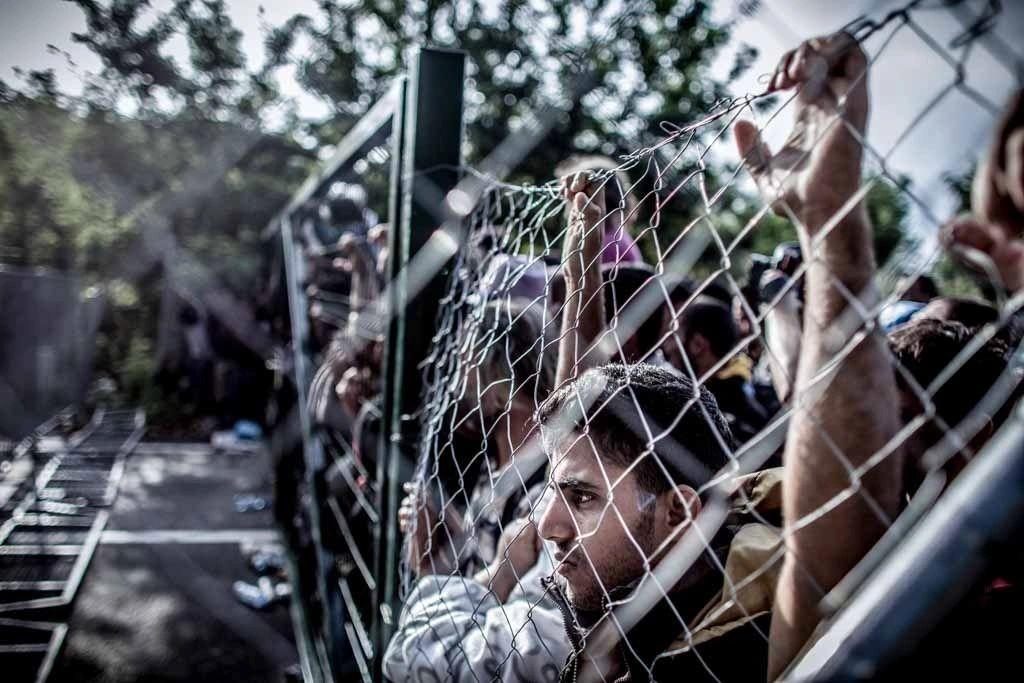
Do border restrictions really reduce immigration?
By Evan Rouxelin

The Role of the Dublin Regulation in 2015 Refugee Crisis

Immigrants and Crime
Between Public Perception and Causal Evidence
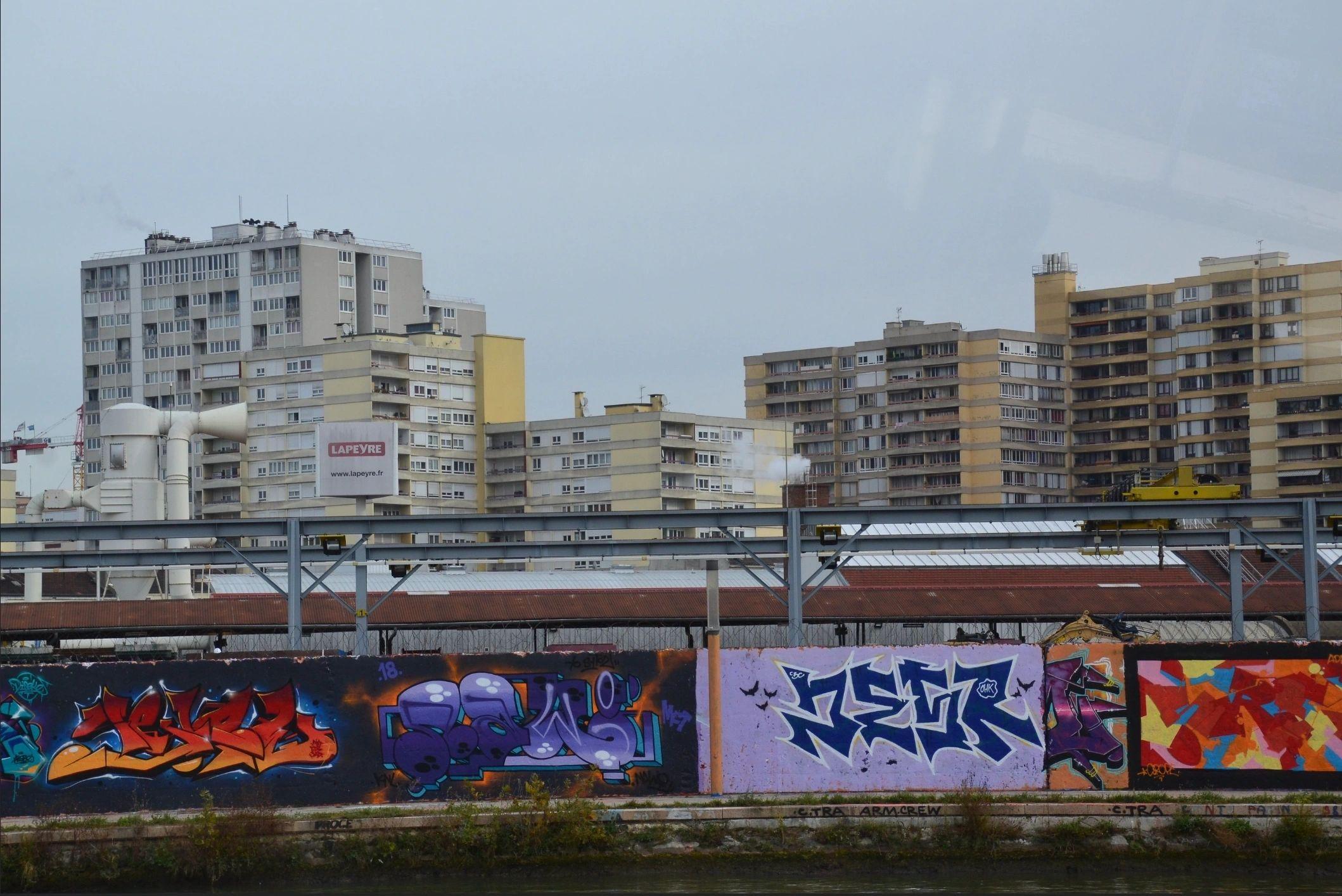
Architecture of Exclusion: The Banlieues
By Laith Keyan Roubaie

Brain drain or brain gain?

Do pro-immigration policies pay off?
The EU approach to labour shortage through seasonal workers
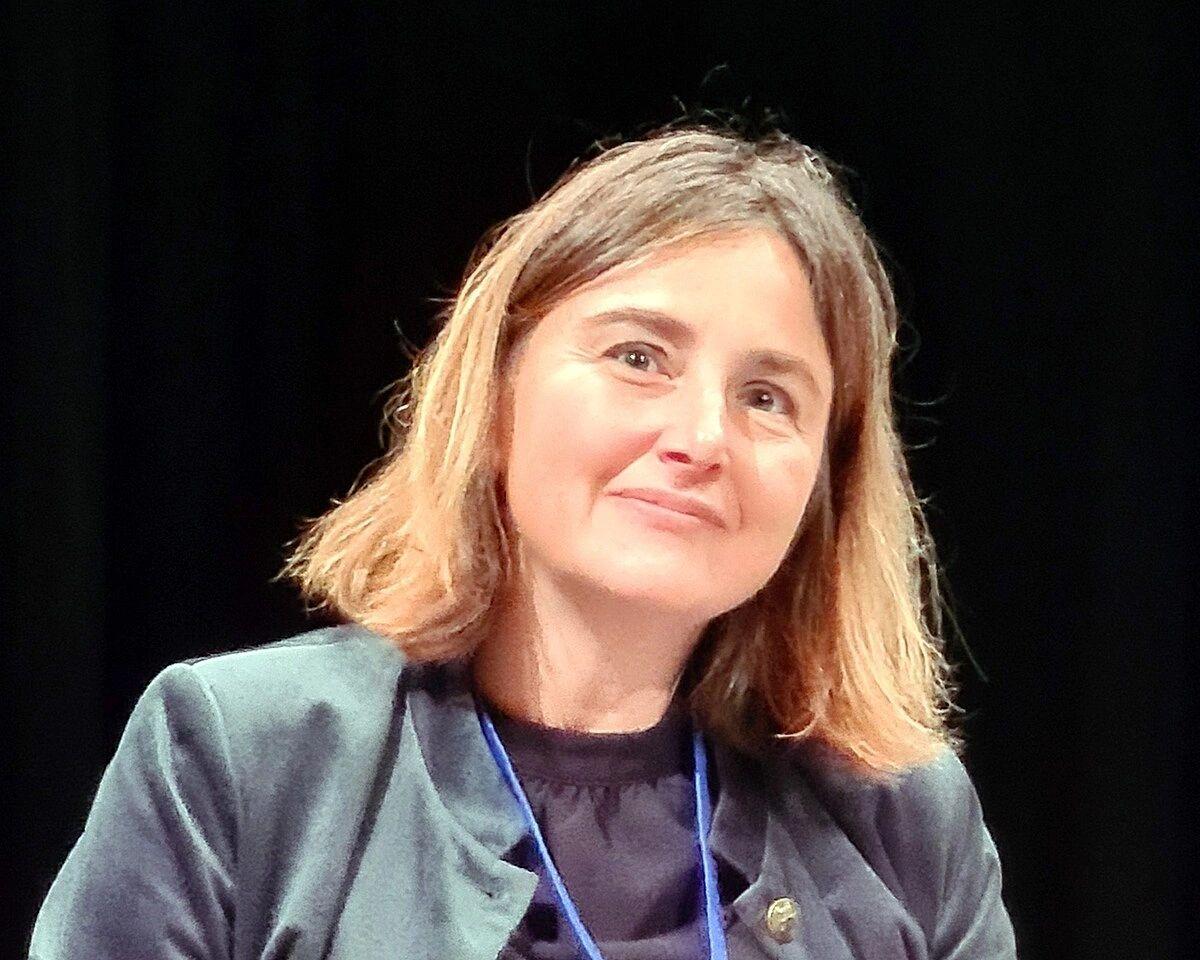
Interview with Prof. Camille Schmoll
By Lia Bassanini
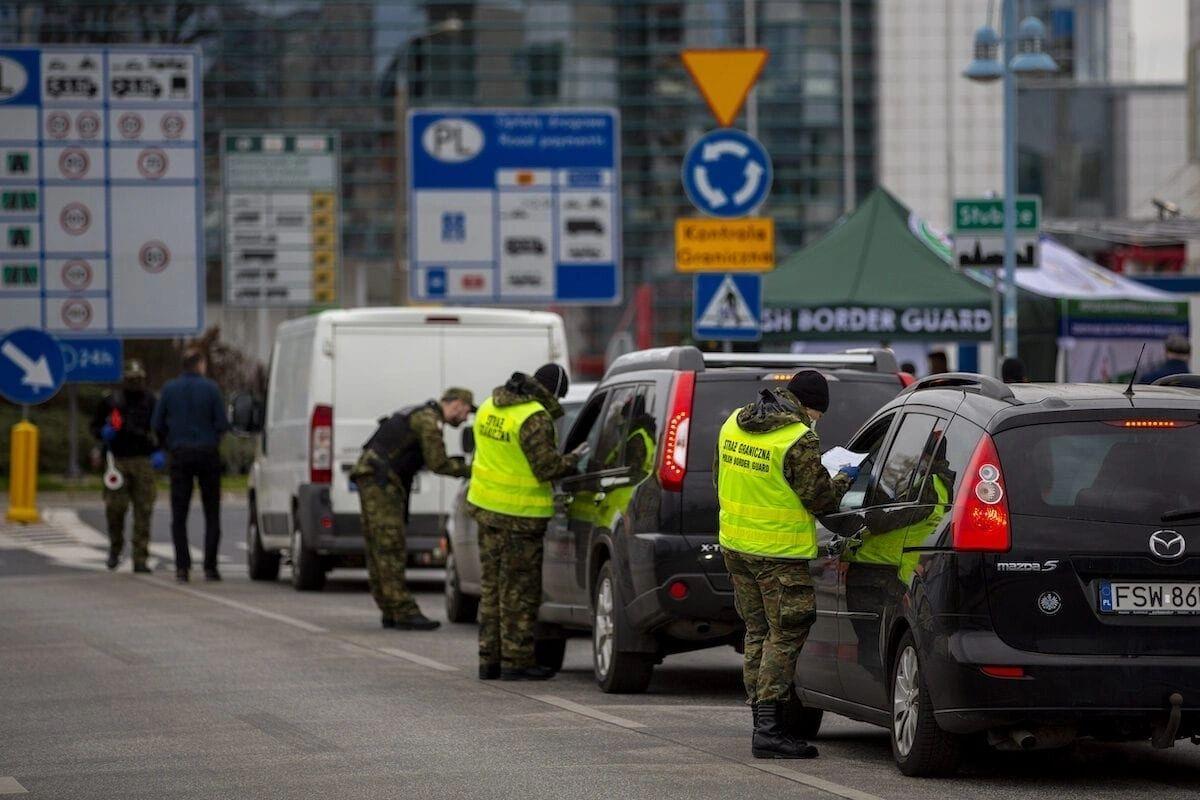
Did EU enlargement affect immigration policies in Eastern Europe?
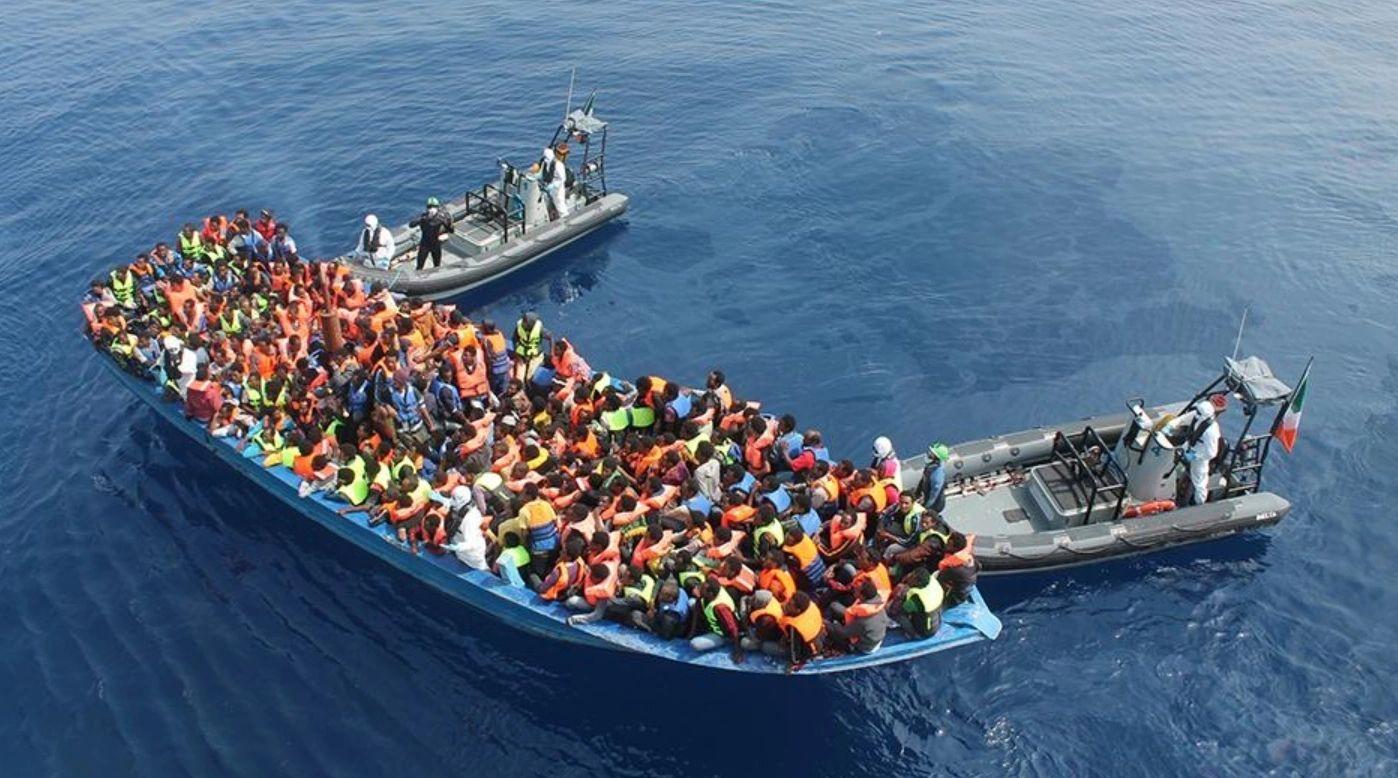
Does the EU have a moral duty to welcome more immigrants?
By Evan Rouxelin and David Juricek
Migration ‘Crisis’ : Rethinking Europe’s 2015 Migration Narrative

Women’s unique challenges in immigration systems

EU externalisation policies vs. non-refoulement principle